Chuck Furuya



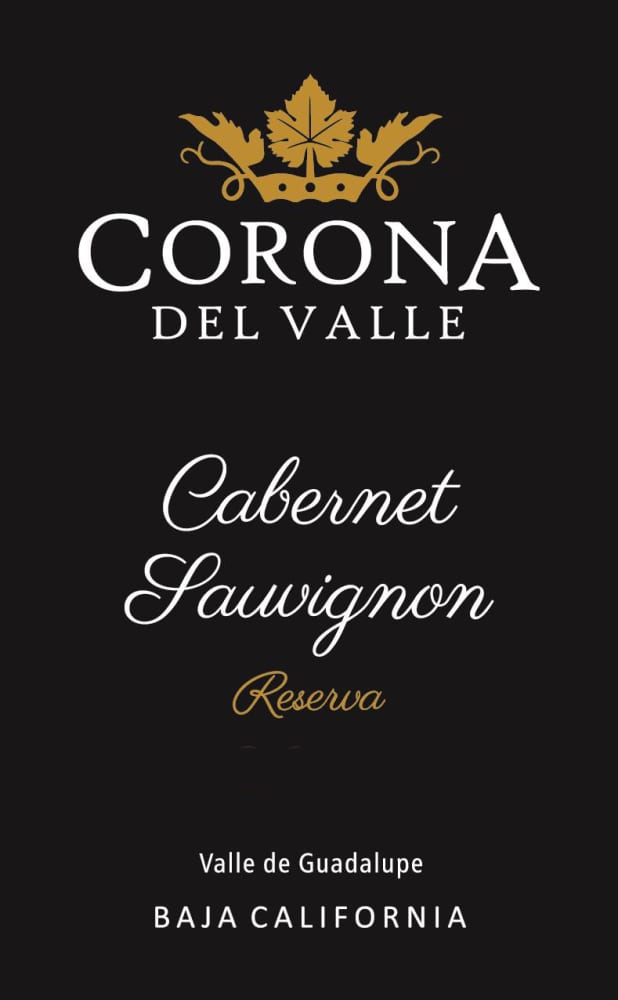
If you’re planning a meal featuring a juicy cut of beef, consider a full-bodied Cabernet Sauvignon. This variety, known for its bold flavor profile, complements the richness of the meat beautifully. The tannins in the wine enhance the texture of the beef, creating a harmonious experience on the palate.
Another excellent choice is Malbec, particularly from Argentina. Its dark fruit notes and slight spiciness pair wonderfully with grilled or roasted preparations. The wine’s velvety mouthfeel mirrors the tenderness of the meat, making each bite and sip a delightful combination.

If you prefer something with a bit more acidity, a Syrah can be a fantastic option. The peppery notes and dark berry flavors in this varietal can elevate the savory qualities of the beef, especially when seasoned with herbs or spices. This pairing adds layers of complexity to your dining experience.
Pairing Suggestions for Beef Dishes
Cabernet Sauvignon is my go-to choice. Its bold structure and tannins complement the rich flavors of grilled or roasted beef beautifully. The dark fruit notes and hints of oak enhance the savory elements of the meat.
Merlot is another excellent option, offering softer tannins and a rounder mouthfeel. This makes it perfect for leaner cuts like filet mignon, balancing the dish without overpowering it.
Shiraz, especially from Australia, provides a spicy kick that pairs wonderfully with barbecued beef. The peppery undertones and ripe fruit flavors create a delightful contrast with the smoky char.
Zinfandel is ideal for those who enjoy a fruit-forward experience. Its jammy characteristics harmonize with the caramelized crust of a well-seared steak, making every bite a pleasure.
Malbec, particularly from Argentina, boasts dark fruit and earthy notes, making it an excellent companion for grilled meats. Its smooth finish complements the umami flavors of the beef.
Tempranillo can also be a surprising match. Its acidity and complexity enhance the flavor profile, especially when enjoying a steak with a rich sauce or spice rub.
Each of these selections brings a unique experience, allowing for exploration of flavors and enhancing the overall enjoyment of the meal.
Understanding the Flavor Profile of Different Steaks
For a ribeye, the rich marbling provides a buttery texture and a robust flavor. A full-bodied Cabernet Sauvignon complements its intensity, enhancing the meat’s savory notes. The fat in the ribeye balances the tannins, creating a harmonious experience.
Filet mignon, known for its tenderness, has a milder taste. A Pinot Noir, with its lighter body and fruity undertones, pairs beautifully, allowing the steak’s delicate flavor to shine through without overwhelming it. This combination accentuates the meat’s subtle sweetness.
New York strip features a firmer texture and a bold flavor profile. A Malbec, with its dark fruit flavors and soft tannins, stands up to the steak’s richness while adding depth. This combination enhances the grill’s char and the meat’s natural juiciness.
T-bone steaks, offering both tenderloin and strip sections, present a diverse tasting experience. A Zinfandel, with its ripe berry notes and spicy finish, complements the contrasting textures and flavors within the cut, making each bite exciting.
Sirloin, known for its leaner cut, has a beefy flavor that can stand up to a medium-bodied Grenache. The wine’s fruity characteristics and moderate tannins balance the steak’s savory profile, providing a satisfying pairing.
Ultimately, the choice of beverage should reflect the specific cut and its flavor nuances. Understanding these profiles allows for an elevated dining experience, enhancing both the meal and the accompanying drink.
Choosing Between Bold and Light Reds
For a hearty cut, like ribeye or T-bone, I gravitate towards full-bodied options. Cabernet Sauvignon stands out with its rich tannins and dark fruit notes, enhancing the meat’s depth. Malbec also complements, offering a velvety texture and hints of plum and cocoa.
On the other hand, lighter selections pair nicely with leaner cuts, such as filet mignon or flank. Pinot Noir is my go-to in this case. Its acidity and cherry flavors balance beautifully without overpowering the dish. Beaujolais, known for its fruity and floral characteristics, can be an unexpected delight for a more delicate flavor profile.
- Full-bodied Recommendations:
- Cabernet Sauvignon
- Malbec
- Syrah/Shiraz
- Lighter Selections:
- Pinot Noir
- Beaujolais
- Grenache
Consider the preparation method as well. Grilled meats often pair better with bolder varieties, while roasted options harmonize with lighter ones. The right choice enhances the entire culinary experience.
Pairing Wine with Steak Doneness Levels
For a perfect match, consider the doneness of your cut. Each level of preparation enhances different flavor characteristics, influencing the ideal choice for a companion beverage.
Rare
When enjoying a rare cut, opt for a wine that complements the rich, beefy flavors. Full-bodied selections like Cabernet Sauvignon or Malbec are excellent. These wines provide a robust profile that stands up to the intense taste of the meat.
Medium Rare
This popular doneness level pairs nicely with a variety of options. A well-structured Merlot offers softer tannins, highlighting the meat’s juiciness. Alternatively, a Syrah adds peppery notes that enhance the overall experience.
Medium
For medium steak, consider a Zinfandel. Its fruit-forward character balances the meat’s flavor without overwhelming it. Additionally, a Chianti can work well, providing acidity that cuts through the richness.
Medium Well
As the steak moves toward medium well, a Tempranillo becomes a great choice. Its earthy undertones complement the meat’s firmer texture. A Bordeaux blend can also provide a sophisticated pairing, enhancing the meal’s depth.

Well Done
With well-done cuts, seek out a wine with higher acidity to prevent the flavors from becoming too heavy. A Grenache can be a delightful option, offering berry notes that lighten the palate. Alternatively, a lighter-bodied Pinot Noir can provide a refreshing contrast.
Always remember, personal preference plays a significant role. Experiment with different combinations to discover what you enjoy most.
FAQ:
What are the best types of red wine to pair with steak?
When pairing red wine with steak, some of the best choices include Cabernet Sauvignon, Malbec, and Syrah. Cabernet Sauvignon is known for its full body and tannins, which complement the richness of a juicy steak. Malbec offers a fruity profile with a hint of spice, enhancing the meat’s flavors. Syrah, with its bold and peppery notes, works well with grilled or smoked steaks. Each of these wines brings out the savory qualities of the meat, making for a delightful dining experience.
How does the cut of steak affect wine pairing?
The cut of steak plays a significant role in wine pairing. For instance, a ribeye steak, which is marbled and rich in flavor, pairs excellently with a bold red like Cabernet Sauvignon. On the other hand, a leaner cut, such as filet mignon, might be complemented by a softer red, like Pinot Noir, which won’t overpower the delicate flavors. Similarly, a sirloin steak can go well with both Malbec and Zinfandel, depending on the preparation and seasoning. Understanding the cut helps in selecting a wine that matches the steak’s texture and flavor profile.
Can you recommend a wine for a medium-rare steak?
A medium-rare steak, known for its tender juiciness, pairs wonderfully with a rich red wine that has good acidity and tannins. A classic choice would be a Cabernet Sauvignon, as its structure balances the fat in the steak. Alternatively, a Merlot can also work well, offering a softer profile that complements the meat without overwhelming it. If you prefer something a bit different, a Zinfandel can provide a fruity contrast that enhances the overall flavor of the dish.
What should I consider when choosing a wine for steak?
When selecting a wine for steak, consider the cut of meat, the cooking method, and the seasoning used. Richer cuts like ribeye or T-bone benefit from full-bodied wines, while leaner cuts like tenderloin pair better with lighter reds. The cooking method, such as grilling or pan-searing, can influence the wine choice as well. For instance, a grilled steak may pair better with a wine that has smoky notes. Lastly, the seasoning and sauces applied to the steak should also guide your choice; spicy or bold flavors may call for a more robust wine.
Is there a specific temperature at which red wine should be served with steak?
Yes, serving temperature is important for enjoying wine with steak. Red wines are generally best served slightly below room temperature, around 60-65°F (15-18°C). This temperature allows the wine’s flavors and aromas to be fully expressed without being too warm, which can emphasize alcohol and diminish the wine’s subtleties. For optimal pairing, allow the wine to breathe for a short period before serving, as this enhances the flavors and makes it even more enjoyable with your steak.
What are the best types of red wine to pair with steak?
When pairing red wine with steak, several options stand out. Cabernet Sauvignon is a classic choice due to its bold flavors and tannins, which complement the rich taste of red meat. Merlot is another excellent option, offering a softer profile that still pairs well with steak. Syrah or Shiraz can also enhance the meal with their spicy notes, while Malbec provides a fruitier alternative that works nicely with grilled meats. Each of these wines has unique characteristics that can elevate your steak dinner.
How does the cut of steak affect the choice of red wine?
The cut of steak plays a significant role in wine selection. For instance, a ribeye, known for its marbling and richness, pairs beautifully with a full-bodied wine like Cabernet Sauvignon or a bold Syrah. Conversely, a filet mignon, which is leaner, can be complemented by a softer Merlot or a Pinot Noir. The key is to match the intensity of the wine with the flavor profile of the steak; more robust cuts call for wines with stronger tannins, while leaner cuts benefit from smoother, less tannic options.
Are there any specific regions known for red wines that go well with steak?
Yes, certain wine regions are renowned for producing red wines that pair excellently with steak. Napa Valley in California is famous for its high-quality Cabernet Sauvignon, which is often regarded as a perfect match for steak. Bordeaux in France is another notable region, known for its blends that typically include Cabernet Sauvignon and Merlot, making them ideal for steak dishes. Additionally, Argentina is celebrated for its Malbec, which has gained popularity for its compatibility with grilled meats. Each of these regions offers unique flavors that enhance the dining experience.

What factors should I consider when selecting a red wine for steak?
When choosing a red wine for steak, consider several factors. First, think about the cut of steak and its flavor profile; richer cuts pair better with bold wines. Secondly, assess the cooking method—grilled steaks often taste best with wines that have a smoky or charred quality. Additionally, consider personal taste preferences; if you enjoy fruitier wines, opt for a Malbec or a Zinfandel. Lastly, the seasoning used on the steak can influence your choice; for heavily seasoned or spicy preparations, a wine with good acidity and structure can balance the flavors effectively.