Chuck Furuya
Cabernet Sauvignon stands out as an excellent choice for enhancing the flavors of lamb. Its bold character and rich tannins complement the meat’s natural richness, making it a favorite among chefs. The dark fruit notes and subtle hints of oak add complexity without overpowering the dish.
Another great option is Syrah, known for its peppery undertones and robust body. This varietal brings a unique depth to lamb preparations, especially when roasted or grilled. The wine’s acidity balances the fattiness of the meat, resulting in a harmonious pairing.
If you prefer something lighter, consider a Pinot Noir. Its bright acidity and red fruit flavors can elevate grilled lamb chops or braised dishes, providing a refreshing contrast. This choice works particularly well with herb-infused preparations, allowing the delicate flavors to shine through.
Choosing the Right Bottle for Lamb Dishes
For braising or roasting, I prefer a full-bodied choice such as a Cabernet Sauvignon or a Syrah. These varieties provide a rich depth that enhances the meat’s flavors.
If making a stew, a Merlot works well due to its softer tannins, allowing the dish to develop a nice balance without overpowering it.
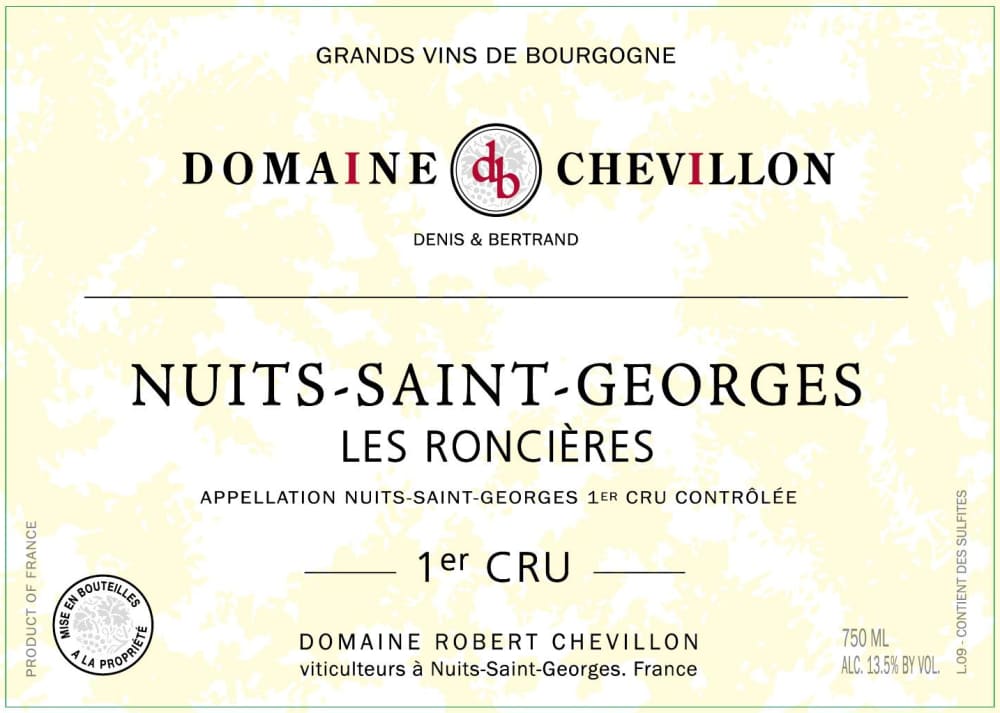
Consider using a Malbec for a grilled preparation; its fruity notes complement the smoky char perfectly.
Here are some suggestions:
- Cabernet Sauvignon: Ideal for hearty dishes.
- Syrah: Adds complexity and spice.
- Merlot: Smooth and fruity for stews.
- Malbec: Great for grilled preparations.
Always opt for a bottle you enjoy drinking, as the flavors will concentrate during the cooking process. Avoid overly sweet or low-quality options, as they can adversely affect the dish’s taste.
Choosing the Right Wine Variety
Opt for a medium to full-bodied option like Syrah or Grenache, as they complement the rich flavors of the meat. These varietals bring depth and enhance the overall dish without overpowering it.
Cabernet Sauvignon, with its bold tannins and dark fruit profile, works well for braising or roasting. Its robustness pairs beautifully with the savory notes of the dish.
Merlot is a softer alternative, offering a smoother mouthfeel, which can balance out the stronger flavors while adding a touch of fruitiness.
Consider the following characteristics when selecting your bottle:
| Variety | Flavor Profile | Best Use |
|---|---|---|
| Syrah | Spicy, dark fruit | Slow-cooking, stews |
| Grenache | Berry, herbs | Grilling, marinating |
| Cabernet Sauvignon | Bold, tannic | Roasting, braising |
| Merlot | Soft, fruity | Sauces, braises |
Each variety brings its unique characteristics, allowing for versatility in preparation methods and flavor combinations. Choose one that aligns with your cooking style and desired outcome.
Understanding Tannins and Their Impact
Choosing a full-bodied blend with prominent tannins enhances the flavor profile of the dish. Tannins add structure and depth, complementing the rich, savory notes of the meat.
Characteristics of Tannins
- Tannins originate from grape skins, seeds, and stems, contributing to the astringency and mouthfeel.
- Higher tannin levels create a bolder, more robust taste that can stand up to intense flavors.
- Tannins soften during cooking, allowing a smoother finish that integrates well with herbs and spices.
Choosing Tannin Levels
- Opt for wines like Cabernet Sauvignon or Syrah for their higher tannin content.
- Merlot offers a softer alternative while still providing enough structure to enhance the dish.
- Consider the aging process; aged varieties tend to have more mellow tannins, making them suitable for long-simmered recipes.
By understanding tannins, I can make a more informed selection that elevates both the dish and the overall dining experience.
Exploring Flavor Profiles of Red Wines
Choosing a robust Cabernet Sauvignon or a bold Syrah can significantly enhance the flavor of your dish. Both varietals offer deep, rich profiles with dark fruit notes and earthy undertones, making them perfect companions for hearty meats. The tannins present in these selections contribute to a fuller mouthfeel, allowing the flavors to meld beautifully during the cooking process.
Cabernet Sauvignon
This variety typically features notes of black currant, cedar, and sometimes hints of green bell pepper. The high acidity and tannin levels complement the richness of the meat, helping to tenderize it while infusing the dish with complex flavors. I recommend using a Cabernet from a warmer climate, such as California, where the fruit is more concentrated.
Syrah/Shiraz
With its peppery spice and dark berry characteristics, this option brings a different dimension to the plate. The boldness of Syrah can stand up to the strong flavors of roasted or grilled meats, enhancing the overall taste experience. Opt for a bottle from regions like the Rhône Valley or Australia for a well-rounded selection.
Best Regions for Lamb-Cooking Wines
When selecting a suitable beverage for preparing succulent mutton dishes, I often lean towards regions renowned for their rich, robust varietals. The south of France, particularly the Rhône Valley, offers exceptional choices like Syrah and Grenache, which impart depth and complexity to the dish.
Italy’s Tuscany stands out with Chianti, characterized by its acidity and earthy notes, making it a fantastic companion for flavorful lamb recipes. The Sangiovese grape thrives here, enhancing the meat’s natural richness.
In Spain, the Rioja region produces Tempranillo, which brings forward a nice balance of fruitiness and tannins, complementing the savory aspects of the dish. Its aging process often adds layers of vanilla and spice that elevate the overall flavor profile.
Australia’s Barossa Valley showcases Shiraz, known for its boldness and hints of pepper and dark fruits, perfect for hearty preparations. This wine’s full body stands up well against robust seasonings and marinades.
Lastly, the United States offers excellent options with California’s Napa Valley Cabernet Sauvignon, delivering a rich, fruity experience that pairs beautifully with grilled or roasted lamb. The tannins in this varietal can also provide a delightful contrast to the meat’s tenderness.
Pairing Wine with Different Lamb Cuts
For shoulder cuts, I recommend a medium-bodied Merlot or a Syrah. These selections enhance the rich, savory flavors of the meat while complementing any herbs or spices used during preparation.
With leg cuts, a robust Cabernet Sauvignon works excellently. Its structured tannins balance the lamb’s natural fattiness and provide depth to the dish, especially when roasted.
For rack cuts, opt for a Pinot Noir. This choice highlights the tenderness and subtle flavors of the meat, allowing the dish’s nuances to shine without overpowering them.
When preparing lamb shanks, a Grenache or a full-bodied Zinfandel pairs beautifully. These wines offer fruity notes that contrast with the richness of the shank, enhancing the overall tasting experience.
If you’re working with ground lamb, consider a Chianti. Its acidity and herbal undertones complement the dish’s earthiness, making it a versatile option for various cooking methods.
Lastly, for braised lamb dishes, a Malbec’s deep fruit flavors and smooth finish will elevate the meal, marrying well with the slow-cooked tenderness of the meat.
Cooking Techniques and Wine Selection
For braising or slow-cooking, I prefer a full-bodied option with bold flavors. A Syrah or a Cabernet Sauvignon enhances the richness of the meat. For a quicker roast, consider a Merlot; its fruitiness complements the dish well.
When marinating, I often opt for a wine that has a good balance of acidity and tannins. A Chianti works wonderfully here, bringing out the savory notes of the meat. If I’m making a stew, a Zinfandel adds depth and complexity.
For reduction sauces, a wine that is not overly tannic is ideal. I go for a Pinot Noir; it reduces beautifully and adds a lovely earthy flavor. If I want to spice things up, I might choose a Malbec for its smoky undertones.
Here are some techniques and their ideal selections:
- Braising: Syrah, Cabernet Sauvignon
- Roasting: Merlot
- Marinating: Chianti
- Stewing: Zinfandel
- Reduction sauces: Pinot Noir, Malbec
Always taste the beverage before using it in a dish. The flavor should stand out but not overpower the main ingredient. This approach ensures a harmonious blend of flavors in my culinary creations.