Chuck Furuya

I find that soaking meat in a flavorful liquid significantly enhances its taste and tenderness. For optimal results, I recommend a soaking period of 4 to 12 hours. This timeframe allows the acidity of the liquid to penetrate the fibers, breaking down tough proteins and infusing the meat with rich flavors.
For a robust infusion, aim for a duration of around 6 to 8 hours. If time permits, extending the soak to 12 hours can yield even deeper flavors. However, be cautious with prolonged exposure; excessive time may lead to a mushy texture, particularly with more delicate cuts.
When preparing your marinade, consider adding herbs and spices to complement the wine’s natural characteristics. Ingredients like garlic, thyme, and black pepper can enhance the overall profile. Experimenting within this timeframe will help you discover the perfect balance for your palate.
Marinating Time for Beef in Wine
I recommend soaking your meat in a wine-based solution for a period of 4 to 12 hours. For tougher cuts, such as chuck or brisket, extending the soaking time up to 24 hours can enhance tenderness and flavor absorption. However, be cautious with delicate cuts like filet mignon, where a shorter duration of around 2 to 4 hours is ideal to prevent a mushy texture.
Factors Influencing Marinade Duration
Several elements can impact the optimal soaking time:
| Factor | Recommendation |
|---|---|
| Cut of Meat | 4-24 hours depending on toughness |
| Acidity Level | High acidity (like vinegar) requires shorter time (2-6 hours) |
| Flavor Intensity | Stronger flavors can be soaked longer (up to 12 hours) |
| Desired Texture | Monitor to avoid overly soft texture |
Tips for Best Results
Ensure the meat is fully submerged for even flavor absorption. Use a non-reactive container, such as glass or plastic, to avoid chemical reactions. Always refrigerate during soaking to maintain food safety. After soaking, pat the meat dry before cooking to achieve a nice sear and enhance the final dish’s flavor.
Understanding the Science of Marinades
For optimal flavor and tenderness, I recommend using acidic components, such as vinegar or citrus juice, alongside your chosen liquid. Acids break down tough proteins, making the meat more palatable. Aim for a balance between acidity and oil; too much acid can cause a mushy texture.
Key Components of Marinades
- Acid: Essential for protein breakdown. Options include vinegar, citrus juices, and yogurt.
- Oil: Helps to retain moisture and distribute flavors evenly. Olive oil is a popular choice.
- Flavorings: Herbs, spices, garlic, and onions enhance the taste profile. Fresh ingredients yield better results than dried ones.
Timing and Temperature
The effectiveness of the mixture is influenced by time and temperature. A cooler environment slows down the cooking process, allowing deeper flavor penetration without compromising texture. Ideally, refrigeration is recommended to prevent bacterial growth during the soaking period.
For best results, I suggest testing small batches to determine personal preferences regarding flavor intensity and texture. Adjusting the ratio of components can significantly alter the final outcome, leading to a more customized culinary experience.
Choosing the Right Cut of Beef for Marinating
For optimal flavor and tenderness, I recommend selecting cuts that benefit from soaking in a flavorful liquid. Chuck roast, flank steak, and skirt steak are excellent choices due to their rich taste and fibrous texture. These cuts absorb marinades well, enhancing their natural qualities.
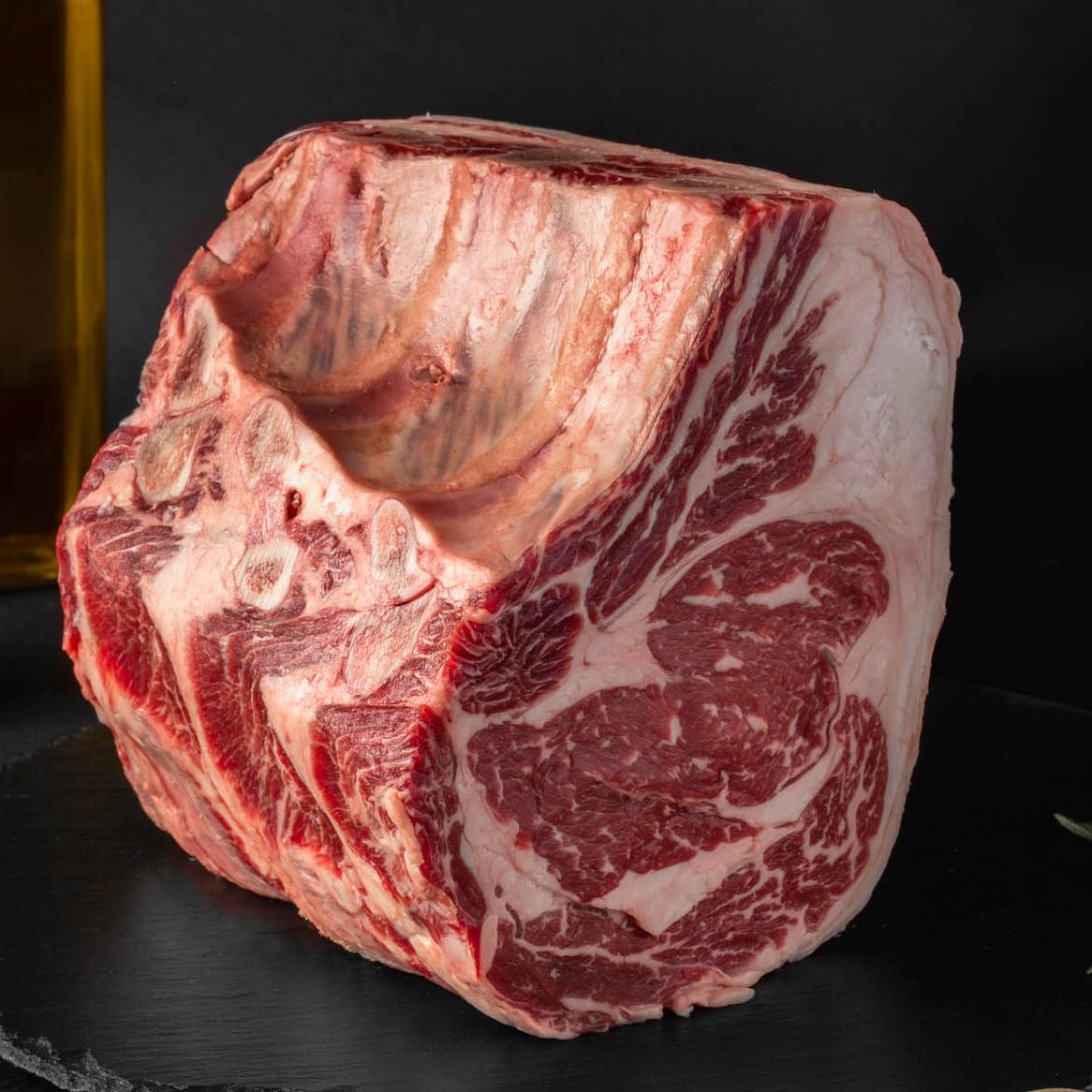
Chuck Roast
This cut is well-marbled and becomes exceptionally tender when cooked slowly after soaking. It’s perfect for braising or slow roasting after being infused with a marinade, making it a versatile option for hearty dishes.
Flank Steak
Flank steak has a strong beefy flavor and a grainy texture. It is ideal for quick cooking methods like grilling or broiling after being soaked. Cutting it against the grain post-cooking maximizes tenderness.
Skirt steak is another fantastic option, offering a deep flavor and tender bite when marinated properly. Its loose texture allows for better absorption of flavors, ensuring a delicious outcome.
Optimal Marinade Time for Different Beef Cuts
For tender cuts like filet mignon, I suggest a short infusion of roughly 30 minutes to 1 hour. This duration enhances the flavor without compromising the meat’s natural tenderness.
When it comes to sirloin or ribeye, I recommend extending the period to about 2 to 4 hours. These cuts benefit from a deeper soak, allowing the flavors to penetrate more effectively.
For Tougher Cuts
With tougher selections such as chuck or brisket, a longer soak is beneficial. I typically opt for 6 to 12 hours, or even overnight. This helps to break down connective tissues and transform the texture into something more palatable.
Practical Tips
Always ensure the meat is fully submerged in the marinade for even flavor distribution. Additionally, using a resealable bag can facilitate better coverage and make cleanup easier. Lastly, avoid exceeding 24 hours, as this can lead to unwanted textural changes.
Impact of Wine Type on Flavor and Tenderness
Choosing the right variety of wine significantly influences the taste and texture of the meat. For instance, a full-bodied Cabernet Sauvignon contributes robust flavors and enhances the richness of the dish, while a lighter Pinot Noir offers a subtle fruitiness that complements the natural flavors of the protein.
Flavor Profiles
The tannin levels in different wines also play a pivotal role. High-tannin wines, like Malbec, are excellent for tougher cuts, as the tannins break down connective tissues, leading to a more tender result. Conversely, lower tannin options, such as Merlot, may impart a softer, fruit-forward profile, making them suitable for leaner cuts that require less tenderizing.
Acidity and Tenderness
Acidity in wines, such as Chianti or Sangiovese, aids in flavor enhancement while also tenderizing the meat. The acid promotes a chemical reaction that helps to soften the fibers, making the final dish more enjoyable. Balancing acidity with appropriate ingredients in the marinade can yield a harmonious result that elevates the overall tasting experience.
How to Prepare the Marinade for Best Results
To create an exceptional soaking mixture, I recommend using a combination of a high-quality dark liquid, acidity, and aromatic ingredients. Start with a full-bodied varietal, such as Cabernet Sauvignon or Merlot, which enhances the flavor profile. Aim for about 1 to 2 cups of this liquid as a base.
Incorporate an acid component, like balsamic vinegar or citrus juice, to aid in tenderizing the fibers. Generally, ¼ to ½ cup of acid works well. Balance this with oil, such as olive or canola, to add richness; about ¼ cup is sufficient.
Add herbs and spices to elevate the taste. Fresh rosemary, thyme, or garlic cloves infuse delightful aromas. I suggest using 1 to 2 tablespoons of fresh herbs or 1 teaspoon of dried herbs. Season with salt and pepper to taste, adjusting to personal preference.
For an extra layer of flavor, consider adding a touch of sweetness with honey or brown sugar, around 1 tablespoon. This can help achieve a caramelized crust during cooking.
Combine all ingredients in a bowl, whisk until well mixed, and ensure the sugar dissolves completely. Place the protein in a resealable plastic bag or a shallow dish, pour the mixture over, and seal tightly. Make sure the entire surface is coated for consistent results.
Refrigerate for the desired soaking duration, turning occasionally to ensure even exposure. This method maximizes flavor absorption and texture improvement, resulting in a delectable dish.