Chuck Furuya


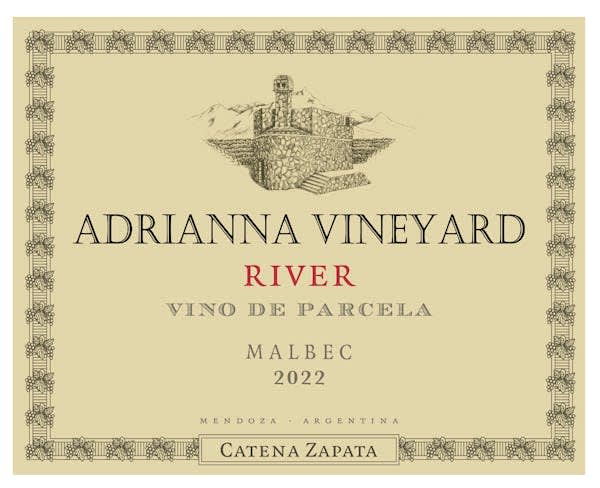
For a robust meat dish, I recommend a Malbec. This varietal, particularly from Argentina, boasts dark fruit flavors and a hint of spice that harmonize beautifully with the richness of slow-cooked proteins.
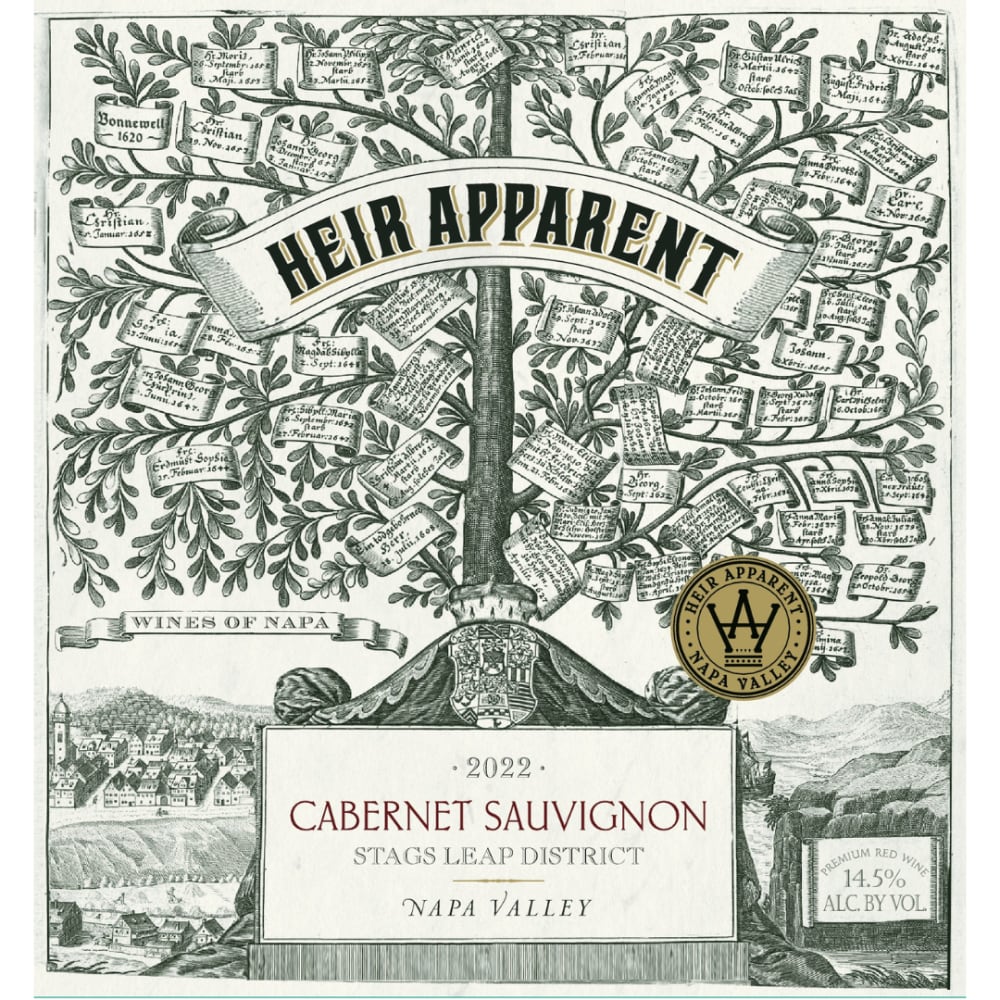
Another excellent choice is a Cabernet Sauvignon. Its bold tannins and layered profile complement the savory notes of braised meat, enhancing the overall dining experience. Look for bottles that have aged in oak, as these will impart additional depth and complexity.
For those seeking a lighter option, a Grenache can be delightful. Its berry-forward character and soft tannins provide a refreshing contrast to the hearty elements of the dish while still maintaining a satisfying mouthfeel.
Regardless of the selection, ensure the bottle is at the right temperature and decant it if possible. This will allow the flavors to open up, making each sip a delightful accompaniment to your meal.
Understanding the Role of Wine in Beef Stew
Choosing the right type of fermented grape beverage significantly influences the overall flavor profile of this hearty dish. A robust varietal enhances the meat’s richness and complements the seasoning.
Here are some key factors to consider:
- Acidity: A balanced acidity helps cut through the fat, providing a refreshing contrast. Look for options with medium to high acidity.
- Tannin Levels: Tannins add structure and depth. A wine with moderate tannins integrates well with the dish, ensuring a harmonious blend.
- Flavor Notes: Seek out beverages that offer dark fruit flavors like black cherry or plum, along with earthy undertones such as leather or mushroom to enhance the stew’s complexity.
Some excellent choices include:
- Cabernet Sauvignon: Known for its bold character and depth, it pairs well with rich meats.
- Merlot: Offers softer tannins and fruit-forward notes, making it versatile in enhancing the dish.
- Malbec: This option provides a nice balance of fruit and earthiness, ideal for heartier preparations.
Incorporating this fermented beverage not only elevates flavor but also contributes to the dish’s overall aroma and character, making it an indispensable component of a well-crafted recipe.
Key Characteristics of Dry Red Wines
Choosing a bottle to pair with hearty meat dishes, I focus on a few fundamental traits. High tannin levels contribute to a structure that complements rich flavors, enhancing the overall experience. Varietals like Cabernet Sauvignon and Syrah are often my go-to choices due to their robust profiles.
Acidity plays a significant role in balancing the richness of the meat. Wines with a moderate to high acidity cut through fat, ensuring that each sip remains refreshing. I find that wines from cooler climates, such as Pinot Noir from Burgundy, retain this necessary acidity while offering a fruit-forward palate.
The complexity of flavors is another aspect I appreciate. A blend of dark fruit notes, spices, and earthy undertones can elevate the dish. For instance, a Malbec might present plum and blackberry flavors with hints of leather, adding depth to the meal.
Ageability is a consideration as well. Many of these selections improve with time, allowing the tannins to soften and flavors to develop further. A well-aged Barolo or Bordeaux can introduce nuanced characteristics that enhance the dining experience.
Lastly, the alcohol content should not be overlooked. A moderate level, typically around 13-14%, ensures that the wine does not overpower the dish while still delivering a satisfying warmth. This balance is key for a successful pairing.
Top Varietals for Cooking with Beef
Cabernet Sauvignon stands out as a robust option, bringing rich flavors and structure that enhance the dish. Its tannins interact beautifully with the meat, resulting in a harmonious blend of tastes.
Merlot offers a softer profile and fruit-forward notes, making it an excellent choice for those who prefer a milder touch. It complements the savory elements without overpowering them.
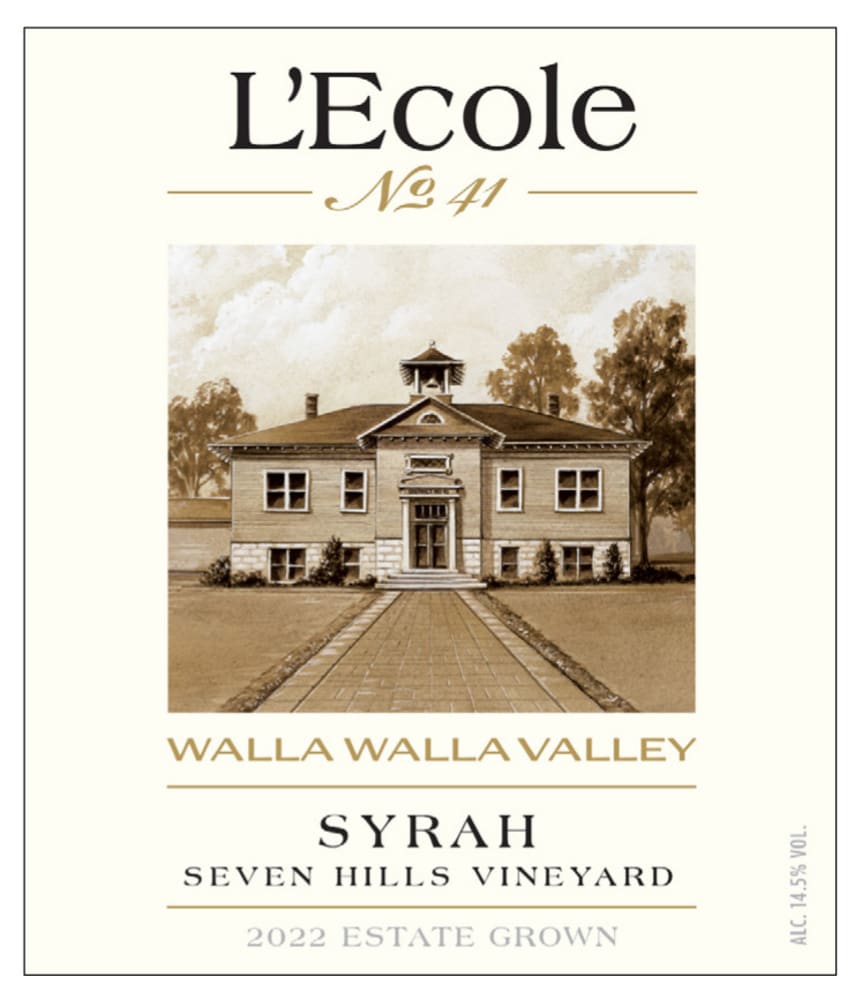
Syrah, with its peppery and smoky characteristics, adds depth and complexity. This varietal works well in hearty preparations, contributing a bold flavor that pairs seamlessly with the richness of the protein.
Pinot Noir, while lighter, brings a unique earthiness that can enhance the overall taste. Its acidity helps to balance the dish, offering a refreshing contrast to the deep flavors of the meat.
Zinfandel is another interesting option, known for its jammy fruit flavors and spice. It can add a delightful sweetness and warmth, enriching the overall palate of the preparation.
Tempranillo, often used in Spanish cuisine, brings a rustic quality that complements the traditional aspects of a meat dish. Its savory notes pair well with herbs and spices often used in such recipes.
How Tannins Affect the Flavor Profile
High tannin levels contribute to a wine’s structure and complexity, making it an excellent choice for rich dishes. For optimal pairing, I recommend looking for varietals like Cabernet Sauvignon or Syrah, which are known for their robust tannins.
Impact of Tannins on Taste
Tannins impart astringency and a slightly bitter taste, which can enhance the overall flavor experience. They interact with proteins in meat, softening the dish while enhancing its umami notes. This makes the pairing particularly harmonious.
Balancing Tannins and Acidity
It’s essential to consider acidity alongside tannin levels. A wine with a good balance of both can elevate the dish, cutting through the richness and adding freshness. Look for options that have a bright acidity to complement the hearty elements in your meal.
- Choose wines with firm tannins for a strong flavor presence.
- Consider the aging process; older wines often have softer tannins.
- Pay attention to the wine’s finish; lingering tannins can enhance the overall experience.
Incorporating a tannic varietal not only enhances the dish but also elevates the dining experience, creating a fuller flavor profile that marries beautifully with the meal’s components.
Regional Wines That Pair Well with Beef
For a robust dish like beef, I often turn to regional varietals that enhance the flavors beautifully. From the heart of Tuscany, a Chianti Classico stands out with its bright acidity and cherry notes, cutting through the richness of the meat. For a more intense experience, a Barolo from Piedmont offers earthy undertones and firm tannins, complementing hearty cuts perfectly.
Spanish Options
In Spain, a Tempranillo from Rioja is an excellent choice. Its bold profile, with hints of dark fruit and spice, elevates any beef preparation. Alternatively, a Garnacha can bring a touch of fruitiness while retaining structure, pairing well with braised dishes.
Californian Selections
A Napa Valley Cabernet Sauvignon provides a classic match with its full body and rich flavors. The ripe fruit notes and oak influence create a luscious backdrop for savory beef dishes. For something unique, I recommend a Zinfandel, which offers a jammy quality and subtle spice, enhancing the overall dining experience.
Price Range: What to Expect for Quality Wines
For a flavorful addition to your dish, I recommend exploring options in the $10 to $20 range. In this segment, you’ll find bottles that balance quality and affordability. Varietals like Cabernet Sauvignon and Merlot often come from reputable vineyards at this price point, providing rich flavors without breaking the bank.
Mid-Range Selections
If you’re willing to invest a bit more, the $20 to $40 range opens up a wider selection of premium choices. Here, you can discover well-crafted bottles from renowned regions such as Bordeaux or Napa Valley, known for their complexity and depth. These selections typically display a harmonious blend of acidity and tannin, enhancing the overall taste of your meal.
High-End Options
For those looking for exceptional quality, bottles priced above $40 can elevate your culinary experience. This tier often includes limited releases and aged varieties, showcasing exquisite craftsmanship and unique flavor profiles. Exploring these options can yield remarkable pairings that truly enhance the dish’s characteristics.
Tips for Selecting Wine at the Store
Focus on varietals that complement hearty dishes. Look for bold options like Cabernet Sauvignon or Merlot. These types enhance the flavors of robust meals, especially those rich in meat.
Label Insights
Check the label for alcohol content; a higher percentage often indicates a fuller body, which pairs well with savory dishes. Additionally, seek wines with descriptions hinting at oak aging or fruit-forward notes, as these characteristics often elevate the dish’s complexity.
Price Point and Quality
Set a budget, but remember quality matters. Aim for bottles in the $10 to $25 range. This price usually offers balanced options that won’t break the bank while providing a substantial contribution to your meal.
Consider local producers. Wines from nearby vineyards often reflect the region’s terroir and can provide unique flavors that enhance your culinary creations.
Trust your palate. If possible, taste before you buy. Retailers often hold tastings, allowing you to find a flavor profile that resonates with your preferences.
How to Incorporate Wine into Your Beef Stew Recipe
Adding a splash of fermented grape juice elevates the flavors and complexity of your dish. Start by deglazing the pan after browning the meat. Pour in a half cup of your chosen varietal, scraping the bottom to release any browned bits. This step enhances the sauce’s depth and richness.
Timing Matters
Introduce the liquid early in the cooking process. This allows the alcohol to evaporate, concentrating the flavors. Generally, I add it after searing the meat but before adding the broth or stock. This technique ensures a harmonious blend of flavors, creating a robust base for your creation.
Quantity Guidelines
For a standard recipe serving four to six people, aim for one to two cups of fermented liquid. Adjust according to your palate, but avoid overpowering the dish. Balance is key; too much can overshadow the other ingredients.
| Step | Action |
|---|---|
| 1 | Sear the meat and remove it from the pot. |
| 2 | Add the chosen fermented liquid to deglaze the pan. |
| 3 | Scrape the bottom to incorporate browned bits. |
| 4 | Return the meat to the pot and add broth/stock. |
| 5 | Simmer until the meat is tender and flavors meld. |
Experiment with different varietals to find the ideal match for your preferences. Each type will impart unique flavors, enhancing your dish in delightful ways. Enjoy the process and savor the results!