Chuck Furuya


For a delightful match with spaghetti topped with rich meat sauce, I recommend a Chianti Classico. This Italian red, with its bright acidity and cherry flavors, complements the savory notes of the dish beautifully. The wine’s tannins soften as it breathes, enhancing the overall dining experience.
Another excellent choice is a Barbera d’Alba. Known for its low tannins and high acidity, this option balances the richness of the sauce while bringing out the flavors of the herbs and tomatoes. It’s a versatile pairing that elevates the meal without overpowering it.
If you’re looking for something a bit bolder, consider a Montepulciano d’Abruzzo. Its dark fruit and earthy undertones harmonize with the hearty meat sauce, making each bite more satisfying. This wine’s structure holds up well against the robust flavors on your plate.
Finally, a Sangiovese can also be a fantastic complement. Its medium body and bright acidity cut through the richness, enhancing the dish’s overall profile. The fruit-forward character and subtle spice in Sangiovese make it a classic choice that never disappoints.
Ideal Pairing for Spaghetti Bolognese
A Chianti Classico stands out as an excellent companion for this Italian classic. Its acidity harmonizes beautifully with the rich tomato sauce, while the tannins complement the meatiness of the dish.
Alternatively, a Barbera d’Alba offers a fruity profile with a refreshing finish, enhancing the savory flavors without overpowering them. This choice is particularly effective for those who prefer a lighter touch.
If you enjoy a bolder option, a Montepulciano d’Abruzzo can bring depth to the meal. Its robust character and earthy undertones pair well with the umami notes present in the sauce.
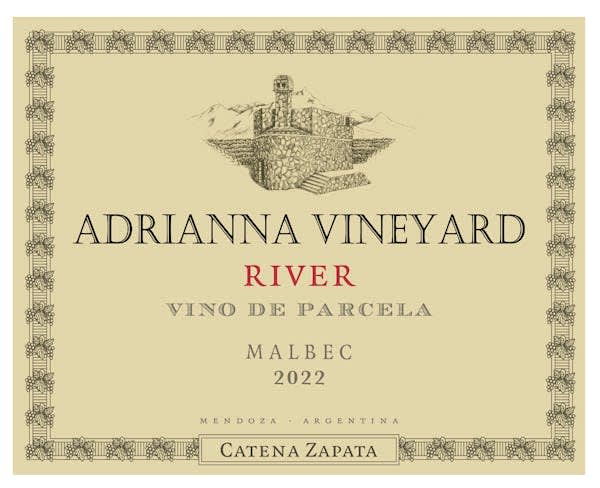
For a more modern twist, I recommend a Malbec. Its dark fruit flavors and smooth texture can elevate the experience, providing a delightful contrast to the acidity of the tomatoes.
Lastly, a Sangiovese provides versatility, balancing the dish’s richness while adding a hint of cherry and spice that complements the herbs often found in the sauce.
Understanding the Flavor Profile of Spaghetti Bolognese
Richness defines this classic dish, primarily stemming from minced beef or pork, sautéed onions, carrots, and tomatoes. Its depth comes from the slow cooking process, allowing flavors to meld beautifully. The umami notes from the meat harmonize with the acidity of tomatoes, creating a savory balance that demands attention.
Key Flavor Components
The primary flavor notes to consider include:
| Flavor Component | Description |
|---|---|
| Umami | Derived from meat and tomatoes, providing a savory depth. |
| Acidity | Tomatoes contribute brightness, cutting through the richness. |
| Herbal | Fresh basil or oregano adds aromatic freshness. |
| Sweetness | Carrots and onions bring a gentle sweetness that balances acidity. |
Pairing Considerations
Choosing a pairing involves identifying these flavor components. A robust choice complements the umami and acidity, enhancing the overall dining experience. Selecting a varietal that mirrors these characteristics can elevate the meal. Look for wines with moderate tannins, good acidity, and fruity undertones to create a pleasing balance against the dish.
Key Characteristics of Red Varietals to Consider
To enhance my pasta experience, I focus on several specific traits of varietals. A high acidity level is essential, as it balances the richness of the sauce. Look for options with moderate to high acidity, which can cut through the fattiness and complement the tomato base.
Tannins and Structure
The presence of tannins plays a significant role in pairing. I prefer varietals with softer tannins, which provide a smooth mouthfeel without overpowering the dish. A medium-bodied option often strikes the right balance, allowing the flavors of the meal to shine.
Fruit and Spice Notes
Fruity undertones, especially those leaning towards cherry or plum, work well alongside tomato-based sauces. Additionally, spices like black pepper or herbs can enhance the overall experience. I seek out varietals that present these flavor profiles, as they harmonize beautifully with the dish.
By focusing on these characteristics, I can select a suitable choice that elevates the dining experience. Always consider these elements when making a selection for a perfect pairing.
Top Red Grape Varieties for Pairing
I recommend selecting a Chianti Classico for its bright acidity and cherry notes, perfectly complementing the rich meat sauce. Another excellent choice is a Barbera, known for its juicy fruit flavors and low tannins, enhancing the dish without overpowering it. A Montepulciano d’Abruzzo also works well, offering a robust profile with earthy undertones that match the savory elements of the meal.
If you prefer something bold, consider a Sangiovese, which delivers dark fruit flavors alongside herbal nuances that align beautifully with traditional recipes. A full-bodied Cabernet Sauvignon can also be a great option, especially if the sauce has a hearty, umami quality, as its structure balances the richness.
For a lighter touch, a Pinot Noir provides a delicate acidity that can elevate the dish’s flavors without overshadowing them. Its complex profile often features red fruits and earthy notes, making it a versatile partner. Lastly, a Zinfandel, with its jammy fruit and spicy finish, adds an interesting twist to the experience.
The Role of Acidity in Wine Pairing
Choosing a selection with higher acidity complements the rich flavors found in a meat sauce. Acidity cuts through the fat, enhancing the overall experience. For example, a Chianti, known for its bright acidity, balances the savory elements effectively.
Impact on Flavor Perception
Acidic profiles can elevate fruit notes and provide a refreshing contrast to heavier dishes. This interaction creates a dynamic palate experience, making each bite and sip more enjoyable. I find that wines like Barbera or Sangiovese enhance the dish’s taste, allowing the flavors to shine without overwhelming the palate.
Finding the Right Balance
It’s crucial to match the acidity level of the sauce and the chosen beverage. A wine with too low acidity can feel flat and dull alongside a flavorful sauce, while one that’s excessively acidic may overshadow the meal. Striking a balance ensures that both the food and the drink coexist harmoniously, enhancing my overall dining experience.
Regional Pairings: Italian Wines for Italian Dishes
For an authentic experience, I recommend exploring wines from the same regions that inspired classic Italian recipes. Each area boasts unique varieties that enhance local flavors. For a hearty meat sauce, consider these regional selections:
Tuscany
- Chianti Classico: This wine has a bright acidity and fruity notes that complement the richness of meat sauces.
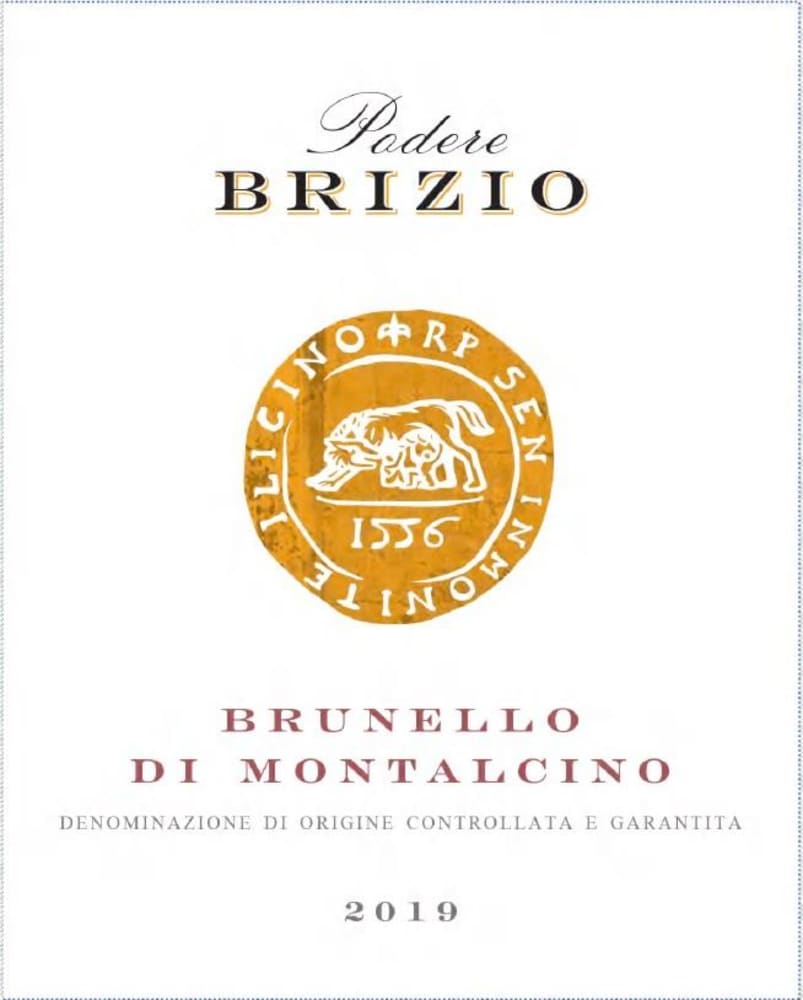
- Brunello di Montalcino: With its bold structure and deep flavors, it pairs well with complex dishes featuring beef and pork.
Emilia-Romagna
- Sangiovese: Known for its cherry and plum characteristics, this varietal balances the savory elements of many Italian meals.
- Lambrusco: Slightly sparkling and fruity, it’s an excellent choice for lighter meat sauces or when served chilled.
Exploring wines from these regions not only enhances the dish but also creates a deeper connection to the culinary traditions of Italy. Enjoy the journey of pairing and tasting.