Chuck Furuya

Begin with a high-quality bottle of your favorite dark beverage, ideally with rich notes. Pour about a cup into a saucepan, allowing it to warm over medium heat. The goal is to bring out the complex flavors, so patience is key here.
As it begins to simmer, introduce finely chopped shallots or onions, enhancing the mixture with their sweetness. Stir occasionally, letting the ingredients meld together for about 10 to 15 minutes until it reduces by half. This process concentrates the flavors, resulting in a bold base.
Next, incorporate a pat of butter for richness and a pinch of salt to balance the sweetness. For an extra layer, consider a splash of stock or broth to deepen the flavor profile. Allow it to thicken slightly, then strain through a fine sieve for a smooth finish. This velvety topping will elevate your dish to a new level.
Crafting a Rich Sauce with Wine
Begin with a robust beverage, about one cup, and pour it into a saucepan. Heat it over medium-high until it comes to a simmer, allowing the liquid to reduce by half. This process intensifies the flavors, creating a rich base.
Incorporate Aromatics
Add finely chopped shallots or onions, about one medium-sized, to the simmering liquid. Stir occasionally, letting them soften and infuse their essence into the mixture. After about five minutes, introduce a sprig of fresh thyme or a pinch of dried herbs for added complexity.
Finish with Fats
Once the mixture has reduced and thickened slightly, remove it from heat. Whisk in two tablespoons of cold butter until fully melted, resulting in a glossy finish. Season with salt and freshly cracked pepper to taste, enhancing the overall flavor profile.
Selecting the Right Red Wine for Your Sauce
Opt for a varietal with bold characteristics. Cabernet Sauvignon, Merlot, or Syrah are excellent choices, offering depth and complexity. Avoid overly sweet options; dry selections provide a better balance.
Consider the flavor profile of your dish. A full-bodied Cabernet complements hearty meats, while a lighter Pinot Noir pairs well with lean cuts. Reflect on the seasoning and sides to ensure harmony.
- Cabernet Sauvignon: Rich and robust, ideal for strong flavors.
- Merlot: Smooth and fruity, versatile for various preparations.
- Syrah/Shiraz: Spicy and bold, adds depth to savory dishes.
- Pinot Noir: Light and nuanced, perfect for delicate flavors.
Choose a bottle that you enjoy drinking. If you wouldn’t sip it, it won’t enhance your dish. Aim for mid-range options; premium wines can be wasted in cooking, while budget brands may lack the needed complexity.
Check the wine’s acidity. A good level enhances the overall taste, providing balance and brightness. High acidity is especially effective in complementing rich meats.
Lastly, avoid cooking wines. These often contain added salt and preservatives that can negatively impact the sauce’s flavor. Select a quality bottle from your local shop for the best results.
Gathering Necessary Ingredients and Tools
For a successful creation, I ensure I have these components ready: a quality bottle of Cabernet Sauvignon or Merlot, unsalted butter, shallots, and fresh herbs like thyme or rosemary. These elements enhance the depth and complexity of my dish.
Ingredients
I choose about one cup of deep-colored grape beverage, two tablespoons of butter, and one finely chopped shallot. Fresh herbs add an aromatic touch, so I grab a few sprigs of thyme or rosemary. If I desire extra flavor, a splash of beef broth can be beneficial, but this is optional.
Tools
A medium saucepan is essential for simmering the mixture. I also prepare a wooden spoon for stirring, a sharp knife for chopping shallots, and a cutting board. A measuring cup ensures accuracy, while a fine mesh strainer is useful for achieving a smooth finish.
Preparing the Steak for the Sauce Pairing
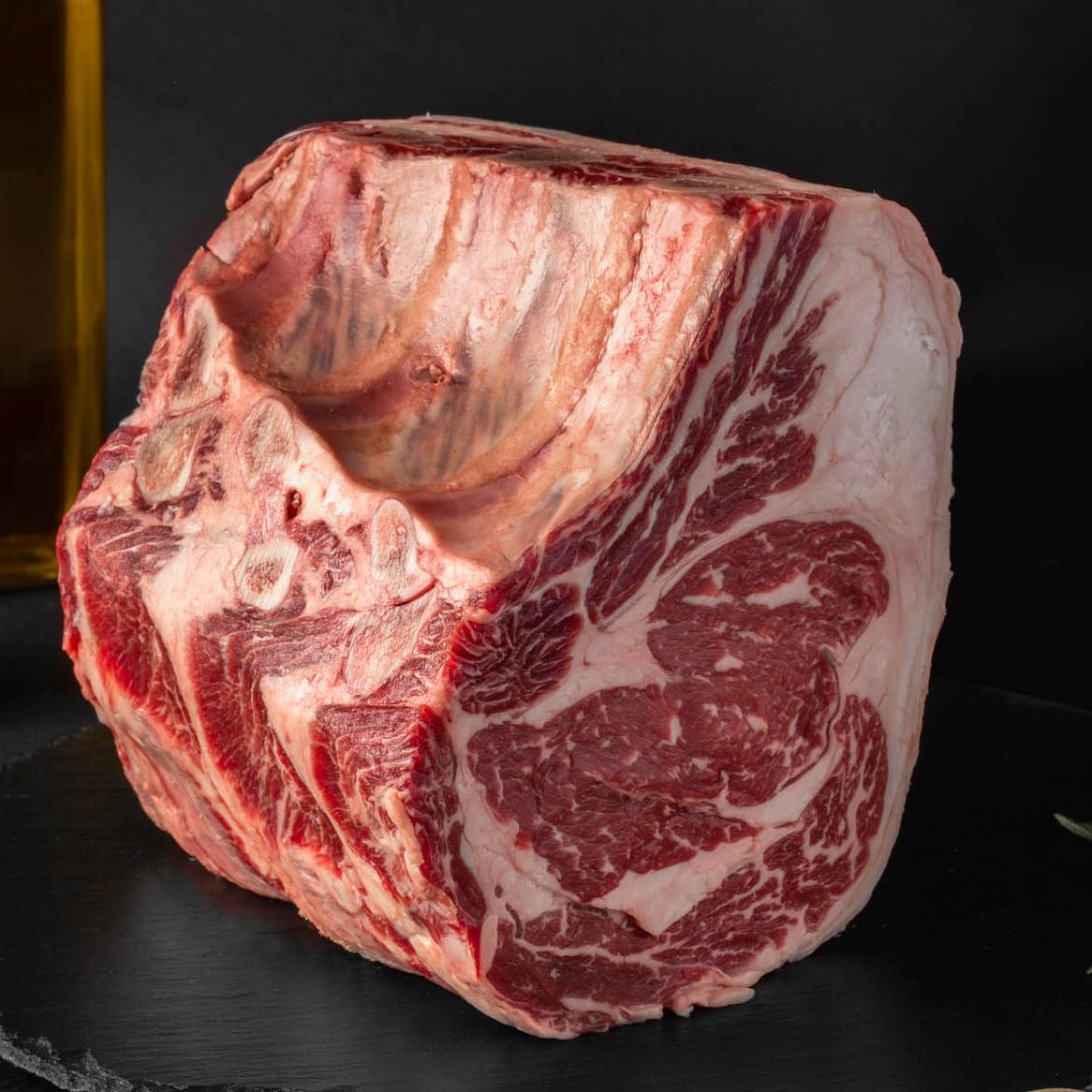
Choosing the right cut is fundamental. I prefer ribeye or filet mignon for their rich flavor and tenderness. These selections hold up beautifully against the bold characteristics of the sauce.
Before cooking, I recommend bringing the meat to room temperature. This allows for even cooking. Season generously with salt and freshly ground black pepper, ensuring the seasoning penetrates the surface for maximum flavor enhancement.
Cooking Techniques
Grilling or pan-searing are my go-to methods. For pan-searing, I heat a cast-iron skillet until smoking, adding a thin layer of oil. I place the steak in the pan, avoiding overcrowding. Searing each side for about 3-5 minutes develops a caramelized crust, enhancing the overall taste.
Using a meat thermometer is key. I aim for an internal temperature of 130°F for medium-rare. Once cooked, I let the meat rest for at least five minutes before slicing. This step allows the juices to redistribute, ensuring each bite remains succulent.
Integrating with the Sauce
After cooking, I deglaze the pan with the prepared mixture. The fond left in the skillet adds depth to the sauce, creating a cohesive flavor profile. I scrape up the browned bits while incorporating the sauce ingredients, establishing a seamless connection between the meat and the accompanying mixture.
This careful preparation elevates the entire dish, making each component work harmoniously together.
Steps to Sauté Aromatics for Flavor Enhancement
Begin by selecting fresh aromatics such as shallots, garlic, and herbs. Finely chop the shallots and mince the garlic to maximize their flavor release.
Heat a tablespoon of oil or butter in a skillet over medium heat. Once the fat is shimmering, add the chopped shallots. Sauté until they become translucent, about 2-3 minutes.
Next, incorporate the minced garlic. Stir continuously for 30 seconds to prevent burning, as burnt garlic can impart bitterness.
Consider adding herbs like thyme or rosemary at this stage. Toss them in and stir for another minute, allowing the heat to release their essential oils.
After the aromatics are fragrant, deglaze the pan with your selected liquid, scraping up any browned bits from the bottom. This process infuses depth into the mixture.
- Use a wooden spoon for scraping.
- Maintain medium heat to avoid scorching.
- Adjust the quantities of aromatics based on your taste preference.
Once the aromatics are perfectly sautéed and aromatic, proceed with the next steps in your culinary creation.
Deglazing the Pan: Techniques and Tips
After searing proteins, I always take advantage of the flavorful bits left in the skillet. A splash of liquid, such as stock or vinegar, quickly lifts these morsels. The key is to use a wooden spoon to scrape the bottom of the pan as the liquid heats up, ensuring that every bit is incorporated.
Choosing the Right Liquid
While I often opt for stock, experimenting with different liquids can elevate the dish. For instance, a splash of balsamic vinegar or apple cider can provide a unique twist. The acidity helps to balance flavors and enhances the overall taste profile.
Timing and Temperature
Timing is crucial. I wait until the meat is cooked and resting before deglazing, allowing the pan to cool slightly. This prevents excessive evaporation, ensuring that the flavors meld beautifully. A medium-high heat works best, allowing the liquid to simmer and reduce without burning.
FAQ:
What ingredients do I need to make a red wine reduction sauce for steak?
To make a red wine reduction sauce, you will need the following ingredients: red wine (preferably a dry variety like Cabernet Sauvignon or Merlot), beef stock or broth, shallots or onions (finely chopped), butter, olive oil, salt, and pepper. You can also add herbs like thyme or rosemary for additional flavor, if desired.
How do I prepare the red wine reduction sauce step by step?
First, heat a tablespoon of olive oil in a saucepan over medium heat. Add the chopped shallots or onions and sauté until they are soft and translucent. Next, pour in about one cup of red wine and bring it to a gentle boil. Allow the wine to reduce by half, which should take around 10-15 minutes. After the wine has reduced, add one cup of beef stock and continue to simmer until the sauce thickens, approximately another 10-15 minutes. Season with salt and pepper to taste, and finish by whisking in a tablespoon of butter for a rich, glossy finish.
How can I tell when the sauce has reduced enough?
A good way to check if the sauce has reduced properly is to look for a thicker consistency. You can also perform a simple test by using a spoon: dip the spoon into the sauce and run your finger along the back of it. If the line holds and the sauce does not run back together immediately, it has likely reduced to the right thickness. Additionally, the flavors should be more concentrated at this stage.
Can I use leftover sauce, and how should I store it?
Yes, you can definitely use leftover red wine reduction sauce. Allow the sauce to cool to room temperature, then transfer it to an airtight container. It can be stored in the refrigerator for up to a week. If you want to keep it longer, consider freezing it in ice cube trays for easy portioning. Just thaw the desired amount when you’re ready to use it again.
What are some tips for enhancing the flavor of my red wine reduction sauce?
To enhance the flavor of your red wine reduction sauce, consider adding a splash of balsamic vinegar or a teaspoon of sugar to balance the acidity of the wine. Fresh herbs like thyme or rosemary can add an aromatic quality, while a pinch of crushed red pepper can introduce a subtle heat. Additionally, using a higher quality wine will contribute to a richer flavor profile in the sauce. Finally, make sure to taste and adjust the seasoning as needed throughout the cooking process.
What ingredients do I need to make a red wine reduction sauce for steak?
To prepare a red wine reduction sauce for steak, you will need the following ingredients: red wine (preferably a dry variety like Cabernet Sauvignon or Merlot), beef stock or broth, shallots or onions (finely chopped), garlic (minced), butter, olive oil, salt, and pepper. Optionally, you can add herbs such as thyme or rosemary for extra flavor. These ingredients will help create a rich and flavorful sauce that complements the steak beautifully.