Chuck Furuya

To achieve a succulent piece of meat infused with the rich flavors of Merlot, I recommend selecting a cut with good marbling, such as ribeye or sirloin. This fat content enhances tenderness and flavor. Allow the meat to reach room temperature before cooking, which ensures even doneness throughout.
Season generously with salt and freshly cracked pepper to enhance the natural flavors. Preheat your skillet or grill to high heat, ensuring a beautiful sear on the outside while retaining a juicy interior. For a medium-rare finish, aim for an internal temperature of around 130°F (54°C).
As the meat cooks, consider deglazing the pan with a splash of Merlot once you’ve achieved that desired crust. This step not only creates a flavorful sauce but also elevates the dish’s complexity. Allow the liquid to reduce, intensifying the taste and aroma, and serve it alongside the perfectly prepared cut.
Preparation Steps for Perfectly Infused Meat
I recommend selecting a high-quality cut, such as ribeye or sirloin, for the best results. Start by bringing the meat to room temperature for about 30 minutes before cooking. This ensures even cooking throughout.
Marinade Creation
Combine a cup of your favorite varietal with minced garlic, fresh herbs like rosemary or thyme, and a pinch of salt and pepper. Let the slices marinate for at least an hour, allowing the flavors to penetrate deeply.
Cooking Technique
Using a heavy skillet or cast-iron pan, heat a tablespoon of oil over medium-high heat until shimmering. Sear the marinated pieces for 3-4 minutes on each side for medium-rare, adjusting the time based on thickness. For an added depth of flavor, deglaze the pan with a splash of the same varietal after removing the meat, scraping up the brown bits to create a luscious sauce.
Rest the meat for at least 5 minutes before slicing to retain juices. Serve with the reduced sauce drizzled on top for a delightful finish.
Selecting the Right Cut of Beef for Steak
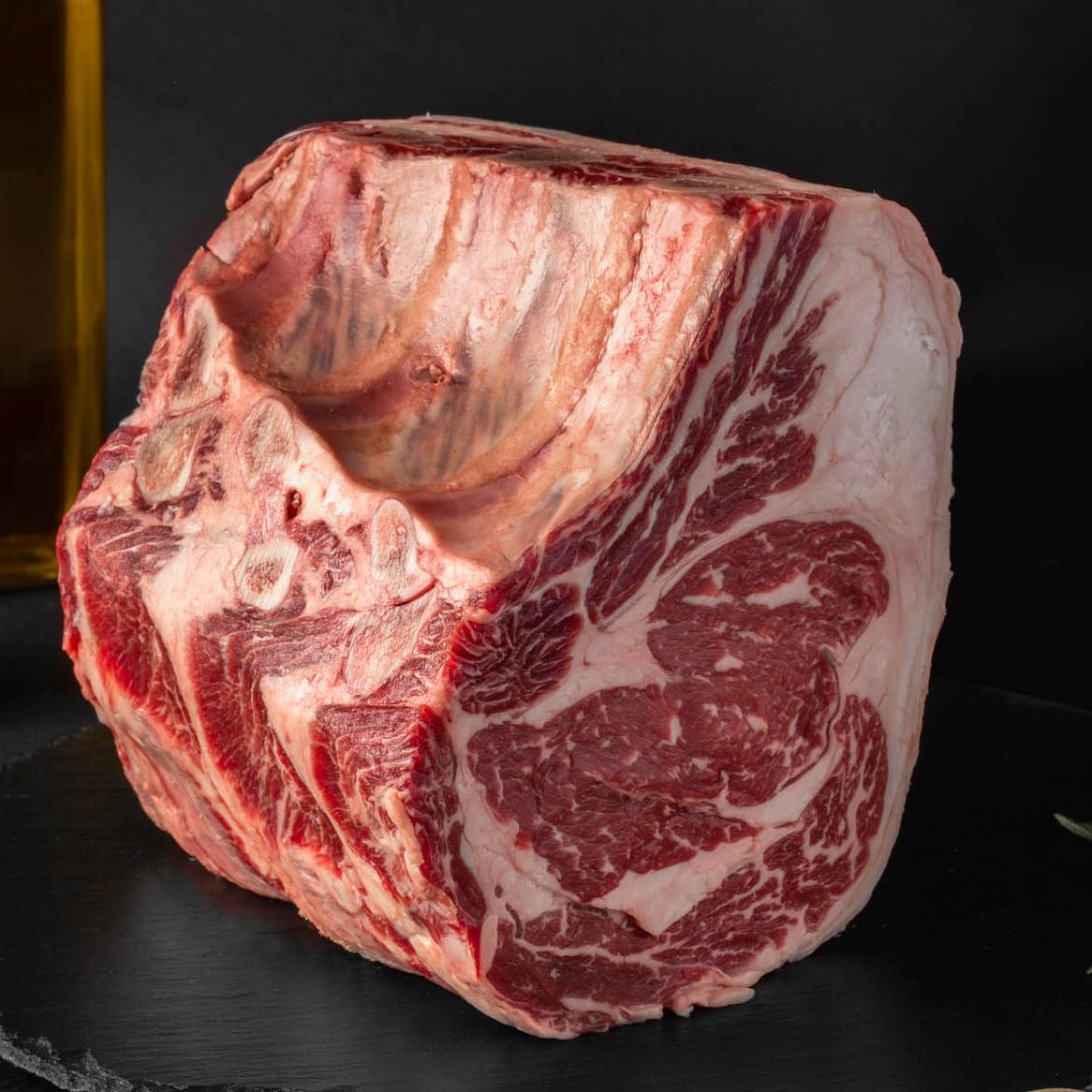
For an exceptional dining experience, I recommend opting for cuts that provide tenderness and flavor. Ribeye, for instance, features a good amount of marbling, resulting in a juicy and rich taste. Alternatively, sirloin offers a leaner option while still remaining reasonably tender, making it a solid choice for those who prefer less fat.
T-bone steaks combine the best of two worlds, featuring both tenderloin and strip sections, ideal for those who enjoy contrasting textures. If I’m looking for a more budget-friendly option, flank or skirt cuts deliver robust flavors, particularly when marinated before grilling.
Each cut has its unique characteristics. Tenderloin, the most tender option, is perfect for a luxurious meal, while chuck steaks, although tougher, can shine when braised or slow-cooked. Understanding these differences helps me choose the right piece for my specific cooking method and desired outcome.
Preparing the Marinade with Red Wine
For a rich and flavorful infusion, I recommend using a combination of quality Cabernet Sauvignon or Merlot as the base for the marinade. A good rule of thumb is to use one cup of wine for every two pounds of meat.
In addition to the wine, I add the following ingredients to enhance the taste:
| Ingredient | Quantity |
|---|---|
| Olive oil | 1/4 cup |
| Fresh rosemary | 2 tablespoons, chopped |
| Garlic | 4 cloves, minced |
| Black pepper | 1 teaspoon |
| Salt | 1 teaspoon |
| Balsamic vinegar | 2 tablespoons |
I combine all these ingredients in a bowl, whisking them together until well blended. The acidity from the wine and vinegar helps to tenderize, while the oil contributes moisture. The herbs and garlic provide aromatic depth.
Next, I place the meat in a resealable plastic bag or a shallow dish, pouring the marinade over it. I ensure that every surface is coated, then seal the bag or cover the dish. Refrigeration for at least 4 hours, or ideally overnight, allows the flavors to penetrate thoroughly.
Before grilling or searing, I remove the meat from the marinade, letting any excess drip off. This prevents flare-ups and ensures even cooking. Discarding the leftover marinade is crucial to avoid contamination. The result is a beautifully seasoned dish that highlights the profound notes of the wine and complements the richness of the protein.
Techniques for Perfectly Seasoning the Steak
Begin with a generous sprinkle of kosher salt on both sides. This type of salt dissolves easily and enhances the natural flavors. Aim for about 1 teaspoon per pound. Allow the seasoned meat to rest for at least 30 minutes before cooking, ensuring the salt penetrates effectively.
Incorporating Fresh Herbs
Chop fresh herbs like rosemary, thyme, or parsley and mix them with olive oil. Rub this mixture onto the surface of the meat. The oil helps the herbs stick while imparting their aromatic qualities to the surface.
Experimenting with Spices
Add depth by using freshly cracked black pepper and a touch of smoked paprika or garlic powder. These spices complement the natural umami of the cut. Apply them in moderation to avoid overpowering the dish.
Choosing the Best Cooking Method for Steak
Grilling is my preferred approach for achieving a delicious, smoky flavor and perfect sear. Using a charcoal grill enhances the taste, but gas grills provide convenient temperature control.
For those who enjoy rich flavors, pan-searing is a fantastic choice. A cast-iron skillet delivers excellent heat retention, allowing for a beautiful crust. Adding butter and herbs during the final moments elevates the dish further.
Oven roasting is ideal for thicker cuts. I recommend starting with a sear on the stovetop and finishing in the oven to retain juiciness.
Here are key methods to consider:
- Grilling: Perfect for outdoor cooking, creates a charred exterior.
- Pan-Searing: Provides a deep, rich crust; versatile for various seasonings.
- Oven Roasting: Best for thicker pieces; ensures even cooking throughout.
- Sous Vide: Ideal for precision; ensures consistent results and retains moisture.
Each method has its own merits, so I often choose based on the cut and desired outcome. Experimenting with different techniques can also lead to delightful surprises.
Timing and Temperature
Monitoring internal temperature is crucial. Aim for:
- Rare: 120-125°F
- Medium-Rare: 130-135°F
- Medium: 140-145°F
- Medium-Well: 150-155°F
- Well-Done: 160°F and above
Resting the meat after cooking is vital. Allow it to sit for at least 5-10 minutes to let the juices redistribute.
Final Thoughts
Ultimately, the best method aligns with personal taste preferences and the specific cut in hand. With practice, I find that mastering these techniques leads to consistently satisfying results.
Determining the Ideal Cooking Temperature
The optimal temperature range for achieving a perfectly cooked piece of meat is between 130°F (54°C) and 145°F (63°C). This ensures that the interior remains tender and juicy, while the exterior develops a beautiful crust. For medium-rare, aim for 130°F to 135°F, while 140°F to 145°F will yield a medium result.
Using a Meat Thermometer
Investing in a reliable meat thermometer is key. Insert it into the thickest part of the cut, avoiding any bones. This tool provides an accurate reading, allowing me to achieve the desired doneness without guessing.
Resting the Meat
After reaching the targeted temperature, resting is crucial. Allow the meat to sit for 5 to 10 minutes before slicing. This step ensures juices redistribute throughout the meat, enhancing flavor and moisture.
By mastering these temperature guidelines, I can elevate the dining experience and enjoy a sumptuous meal paired perfectly with my chosen vintage.