Chuck Furuya

Begin by selecting a high-quality cut of beef, such as filet mignon or sirloin, ensuring it has adequate marbling for tenderness and flavor. Season generously with salt and freshly cracked black pepper, allowing the spices to penetrate the meat for optimal taste.
Heat a heavy skillet over medium-high heat, adding a splash of oil that can withstand high temperatures. Sear the meat for a few minutes on each side until a golden crust forms, locking in the juices. Use a meat thermometer to achieve the desired doneness; medium-rare is typically around 130°F (54°C).
After removing the protein from the skillet, prepare the sauce by deglazing the pan with a robust Burgundy. Scrape up any flavorful bits left behind, then add in shallots and a touch of cream to create a rich, velvety finish. Simmer until thickened, adjusting seasoning to taste.
Serve the protein drizzled with the luxurious reduction, garnishing with additional cracked pepper and herbs for an elevated presentation. This combination promises a delightful experience for any palate.
Selecting the Right Cut of Steak for Optimal Flavor
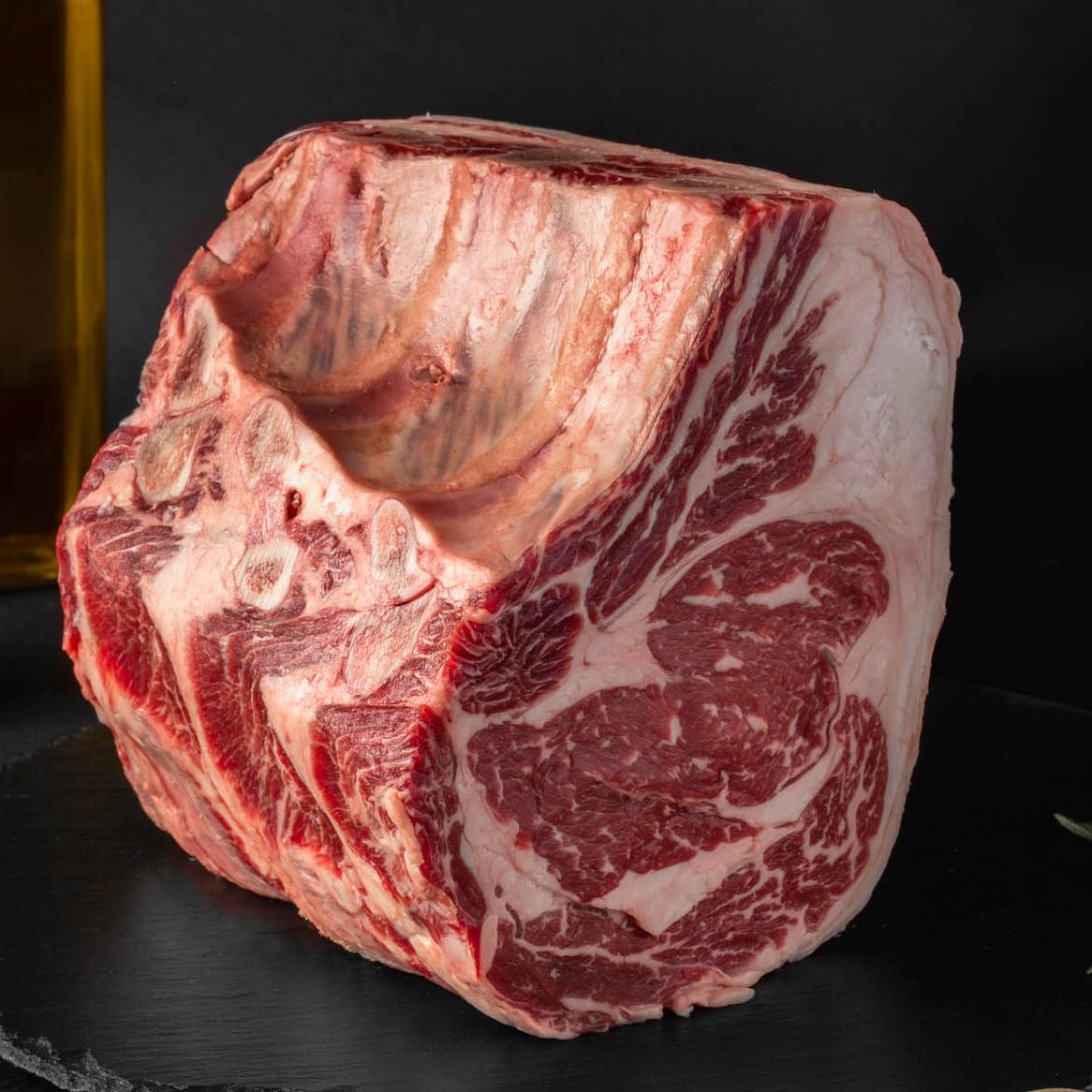
For a rich and delicious experience, I recommend choosing cuts that offer a balance of tenderness and flavor. Ideally, look for ribeye or filet mignon, as both provide a satisfying taste and texture. Each cut has its unique characteristics that can enhance the overall dish.
Ribeye
This cut is known for its marbling, which contributes to its juiciness and robust flavor. The fat content melts during cooking, infusing the meat with a savory richness. I prefer a well-marbled ribeye for its tenderness and depth of taste.
Filet Mignon
If you prefer a leaner option, filet mignon is an excellent choice. While it lacks the marbling of ribeye, it compensates with its buttery texture. This cut is ideal for those who enjoy a milder flavor, allowing the accompanying sauces and spices to shine.
For a more adventurous option, consider sirloin or flank steak. Both cuts offer bold flavors and can be very satisfying when cooked properly. I often marinate these cuts to enhance tenderness and taste before preparing them.
- Ribeye: Well-marbled, juicy, and flavorful.
- Filet Mignon: Tender, lean, and milder in flavor.
- Sirloin: Bold flavor, great for marinades.
- Flank Steak: Rich taste, best when marinated and sliced against the grain.
Ultimately, the choice of cut can significantly influence the final dish. I always consider the flavor profile I want to achieve and select accordingly to ensure a delightful dining experience.
Preparing the Peppercorn Crust for Perfect Seasoning
For an exceptional flavor experience, I recommend using a mix of whole black, white, and green peppercorns. This combination provides a complex taste profile that enhances the meat beautifully.
Follow these steps to achieve the ideal peppercorn crust:
- Choose the right peppercorns: Select high-quality whole peppercorns. Avoid pre-ground options, as they lack freshness and flavor.
- Crush the peppercorns: Use a mortar and pestle or a spice grinder to coarsely crush the peppercorns. Aim for a texture that is not too fine, as larger pieces create a more appealing crust.
- Season the meat: Generously coat the surface of the cut with salt before pressing the crushed peppercorns onto it. This step ensures an even seasoning throughout.
- Press firmly: After applying the pepper mixture, press it into the meat with your hands. This ensures that the spices adhere well during cooking.
Adjust the quantity of peppercorns based on personal taste preferences. A robust crust can elevate any dish, allowing the natural flavors of the protein to shine through while adding a delightful kick.
Mastering the Cooking Technique for Juicy Results
Achieving a tender and succulent result hinges on temperature control. I recommend using a reliable meat thermometer to monitor the internal heat. For a perfect medium-rare finish, aim for 130-135°F (54-57°C). Remove the meat from the heat source just before it reaches the desired temperature, allowing it to rest and reach the target as it continues to cook off the heat.
Searing is another crucial aspect. High heat creates a flavorful crust. I preheat my skillet until it’s almost smoking before adding the protein. A well-seasoned cast iron or stainless steel pan works best. Avoid overcrowding the surface; I typically cook one or two pieces at a time to maintain optimal heat.
Resting is non-negotiable. Once the cooking is complete, I let the protein rest for at least 5-10 minutes. This step redistributes the juices, ensuring that every bite remains moist.
During the resting period, I prepare the accompanying sauce. Utilizing the fond left in the pan enhances flavor depth. Deglazing with a flavorful liquid, such as stock or a fortified beverage, lifts those tasty bits and creates a rich sauce.
| Temperature (°F) | Doneness |
|---|---|
| 120-125 | Rare |
| 130-135 | Medium-Rare |
| 140-145 | Medium |
| 150-155 | Medium-Well |
| 160+ | Well-Done |
Incorporating these techniques guarantees juicy, flavorful results that impress every time. I’ve found that attention to detail truly makes a difference in the final dish.
Creating a Rich Red Wine Pan Sauce to Enhance the Dish
To elevate the flavors of this dish, I focus on crafting a deep, flavorful liquid reduction. After removing the cooked meat from the skillet, I deglaze the pan with a generous pour of robust grape juice, scraping up the browned bits left behind. This step adds an unmistakable depth to the final blend.
Next, I incorporate minced shallots into the mixture, allowing them to soften and caramelize slightly, which contributes sweetness and complexity. Once the shallots are tender, I let the liquid reduce by half over medium heat, intensifying the flavors.
To finish, I stir in an enriching element, like heavy cream or a knob of butter, which adds a luxurious mouthfeel. A sprinkle of fresh herbs, such as thyme or parsley, brings brightness that balances the richness. Adjusting the seasoning with salt and freshly cracked pepper ensures that every bite bursts with flavor.
Before serving, I strain the sauce to achieve a silky texture, pouring it over the sliced meat for an elegant presentation. This technique transforms a simple accompaniment into a standout element of the meal.