Chuck Furuya



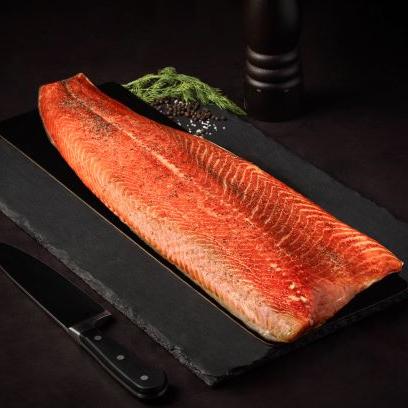
Begin by choosing a quality bottle of dark grape nectar, as it will form the base of this delightful accompaniment. Pour approximately one cup into a saucepan and bring it to a gentle simmer over medium heat. The goal is to concentrate the flavors, so allow it to reduce by half, stirring occasionally to prevent sticking.
In another pan, melt a tablespoon of unsalted butter over low heat. Once melted, add a finely chopped shallot and sauté until translucent. This process takes about 3-4 minutes and enhances the overall taste profile of the dish. Incorporate a sprig of fresh thyme for an aromatic touch.
After the grape essence has reduced, carefully combine it with the shallots and let it simmer for an additional few minutes. This step allows the ingredients to meld together beautifully. Finally, season with salt and cracked pepper to taste, creating a luscious blend that perfectly complements the delicate flavor of your fish.
Choosing the Right Red Wine for Your Sauce
I prefer to select a medium-bodied variety like Pinot Noir or Merlot. These options complement the delicate flavor of fish without overpowering it.
Avoid heavy reds such as Cabernet Sauvignon, as their tannins can clash with the dish. Instead, opt for wines with bright acidity to enhance the overall taste.
When selecting a bottle, consider looking for a fruity profile with notes of cherry or raspberry, which can add depth to the final blend. A wine that is labeled as dry will also balance well with the sauce.
In terms of region, I often gravitate towards wines from Burgundy or Oregon for their elegance. They provide a nuanced flavor that elevates the dish.
It’s also wise to use a wine that you enjoy drinking, as the quality of the ingredient directly influences the outcome. Experiment with a few varieties to find what works best for your palate.
Preparing Ingredients for the Sauce
Gather fresh shallots, finely chopped, to provide a sweet and mild onion flavor. Use about one or two medium-sized shallots depending on your preference for intensity. Next, I prefer to incorporate minced garlic, typically one or two cloves, to enhance the aromatic profile.
For the acidity, I choose a high-quality stock, preferably vegetable or chicken, as a base. Aim for around a cup, ensuring it complements the other flavors without overpowering them. Fresh herbs like thyme or rosemary can be included; I usually opt for a few sprigs to infuse a fragrant note.
Don’t forget about seasoning. I always have kosher salt and freshly ground black pepper on hand for balancing flavors. A dash of sugar can also be useful to counter any bitterness from the cooking process, so keep that readily available.
Finally, I make sure to have a non-reactive saucepan ready for cooking. This will prevent any unwanted metallic taste from affecting the final dish. Preparing these components ahead of time streamlines the cooking process and allows for a more enjoyable experience.
Cooking Techniques for a Flavorful Sauce
Begin with sautéing aromatics like shallots or garlic in a pan with olive oil or butter. This step enhances the base by infusing oils with rich flavors.
Deglaze the pan with your chosen beverage, scraping up any browned bits for added depth. This technique captures the essence of previously cooked ingredients.
Reduce the liquid over medium heat. This thickens the mixture while concentrating its flavors. Aim for a syrupy consistency to ensure a robust taste.
Incorporate stock or broth gradually. This balances the flavors and adds complexity. Adjust the quantity based on desired thickness; a thicker texture pairs nicely with fish.
Season with herbs and spices. Fresh thyme or bay leaves can introduce aromatic notes. A pinch of salt and pepper will enhance the overall profile without overpowering the dish.
Finish with a pat of cold butter to enrich the sauce. This gives a glossy finish and rounds out the flavors, providing a luxurious mouthfeel.
Pairing Red Wine Sauce with Salmon
For a complementary experience, I recommend considering various elements that enhance the flavors of the dish. The sauce should harmonize with the natural richness of the fish, creating a balanced profile on the palate.
Here are specific pairings to consider:
- Herbs: Fresh dill or parsley can elevate the overall taste, providing a refreshing contrast to the sauce’s depth.
- Citrus Zest: A hint of lemon or orange zest can introduce a bright note, cutting through the sauce’s intensity.
- Vegetables: Roasted asparagus or sautéed spinach serve as excellent sides, offering texture and additional flavor layers.
- Grains: Serving the dish with wild rice or quinoa adds earthiness, complementing both the fish and the sauce.
Consider also the serving temperature; a warm dish enhances the aroma and flavor, making the overall experience more enjoyable. The right balance of flavors will transform a simple meal into an exquisite culinary delight.
Storing and Reheating Red Wine Reduction
Store the cooled mixture in an airtight container in the refrigerator, where it can last for up to a week. For longer preservation, freeze it in small portions using ice cube trays, then transfer the frozen cubes to a freezer bag. This method allows for convenient future use while maintaining flavor integrity.
When reheating, avoid boiling to preserve the delicate flavors. Instead, gently warm the mixture over low heat in a saucepan, stirring occasionally until heated through. For a smoother consistency, add a splash of broth or water. If the sauce thickens too much during storage, a little liquid can help restore the desired texture.
| Storage Method | Duration |
|---|---|
| Refrigerator | Up to 1 week |
| Freezer (in cubes) | Up to 3 months |