Chuck Furuya


First, gather a quality bottle of your favorite dark varietal. Pour about two cups into a saucepan, letting it simmer over medium heat. This process concentrates the flavors, leading to a robust base for your sauce.
Next, add finely chopped shallots or onions, enhancing the mixture with their sweetness. After a few minutes, incorporate a sprig of fresh thyme or a bay leaf, allowing the herbs to infuse their aroma into the blend. Remember to stir occasionally to prevent sticking.
As the liquid reduces to about one cup, include a tablespoon of butter for richness. This will not only thicken the sauce but also give it a glossy finish. Season with salt and freshly cracked pepper to taste, ensuring a balanced flavor profile that complements your dish perfectly.
Crafting a Rich Sauce with Deep Flavors
I focus on using a full-bodied varietal, such as Cabernet Sauvignon or Merlot, which adds complexity. Begin by pouring two cups into a saucepan over medium heat. Allow it to simmer gently, stirring occasionally to prevent sticking.
Ingredients to Enhance Taste
- Shallots: Finely chopped, they provide sweetness.
- Garlic: A couple of minced cloves elevate the essence.
- Herbs: Fresh thyme or rosemary complements the profile.
- Butter: A tablespoon at the end enriches the texture.
- Stock: Beef or vegetable broth adds depth.
Incorporate finely chopped shallots and minced garlic once the liquid starts to reduce. Sauté them until translucent, which takes about 3-4 minutes. Add a sprig of thyme or a pinch of rosemary for herbal notes.
Finishing Touches
As the mixture thickens, include half a cup of stock to balance and enhance the flavors. Continue to simmer until the sauce coats the back of a spoon. Finally, whisk in the butter for a glossy finish, adjusting seasoning with salt and pepper.
This preparation pairs beautifully with grilled or roasted meats, creating a luxurious dining experience.
Selecting the Right Red Wine
Opt for a medium to full-bodied option like Cabernet Sauvignon or Merlot. These varieties provide a rich flavor profile that complements the meat beautifully. Avoid overly sweet selections; a dry bottle enhances the savory notes of the sauce.
Consider the Region
Wines from regions known for their robust offerings, such as California, Bordeaux, or Tuscany, yield excellent results. Each area imparts unique characteristics, so choose one that aligns with your taste preferences.
Check the Label
Look for wines with higher acidity; this balances the richness of the dish. Aged or oak-barrel-aged wines often introduce complexity through subtle tannins, enhancing depth in the final sauce. Avoid overly tannic options that might overpower the dish.
Preparing the Beef for Cooking
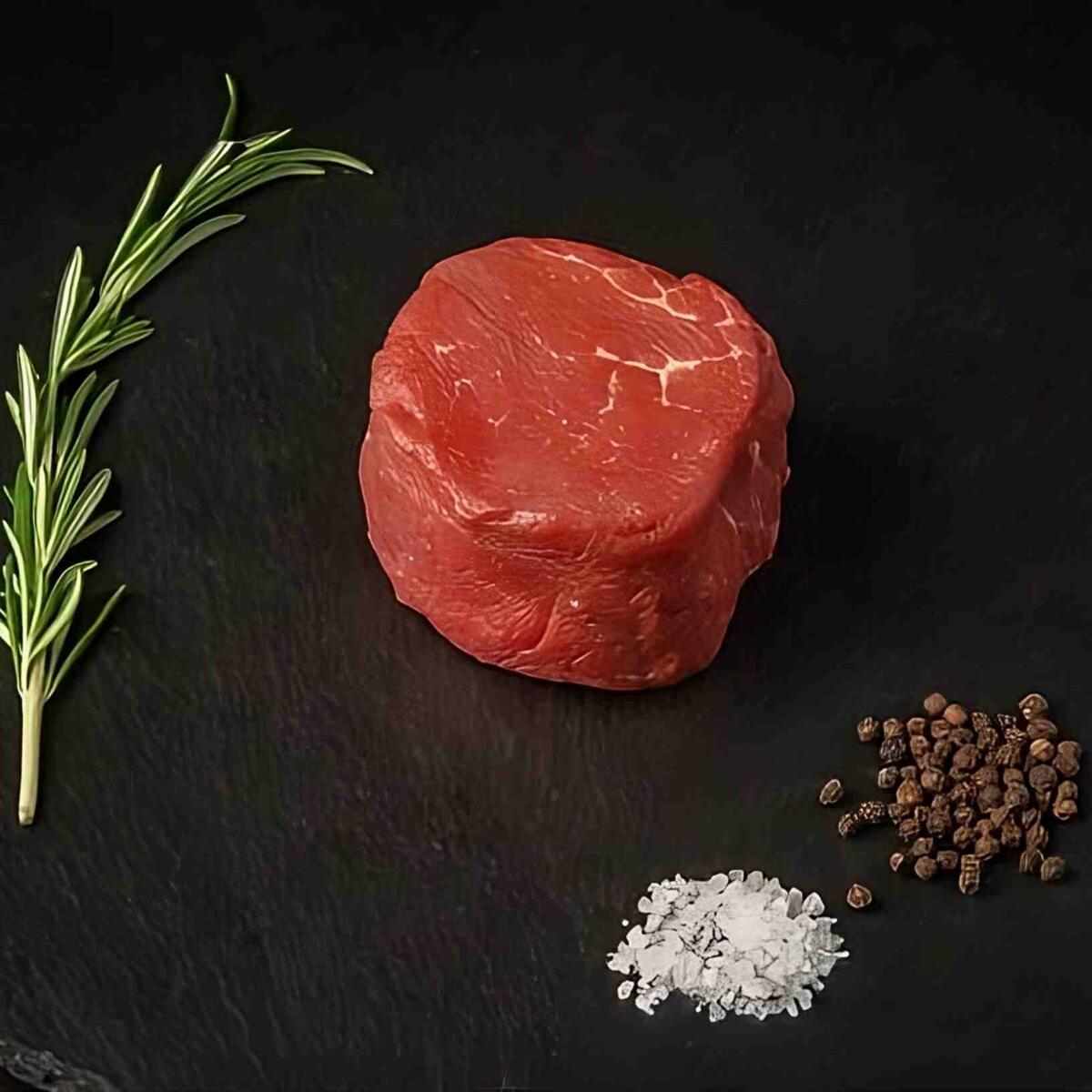
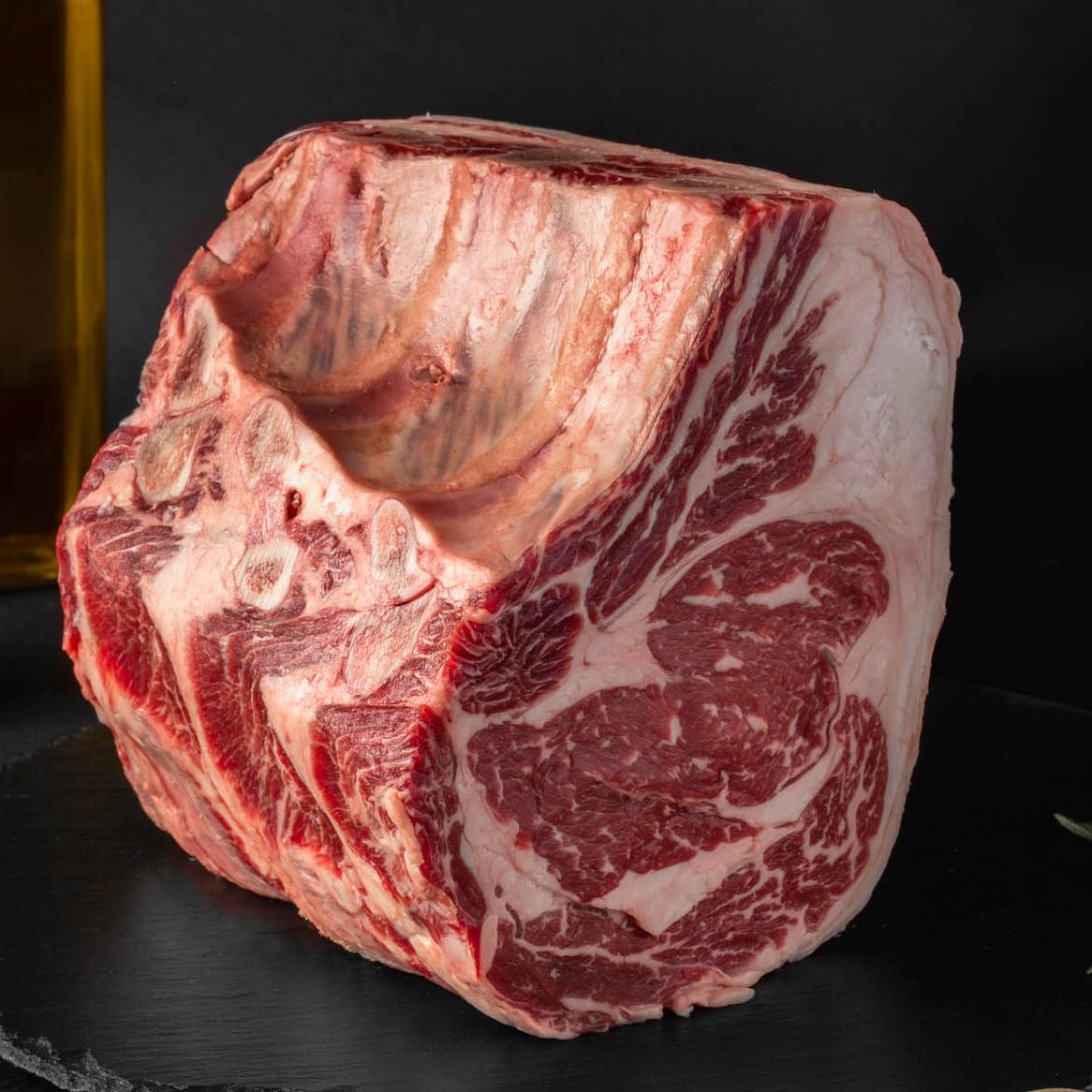
Choose a quality cut, such as ribeye, sirloin, or tenderloin. These options ensure tenderness and rich flavor. Allow the meat to come to room temperature before cooking; this promotes even cooking.
Trimming and Seasoning
Trim excess fat to avoid flare-ups during cooking, but leave some for flavor. Season generously with salt and pepper. Consider adding herbs like rosemary or thyme for extra aroma.
Marinating (Optional)
For enhanced taste and tenderness, marinate the meat. Use a mixture of olive oil, vinegar, and your choice of herbs and spices. Marinate for at least 30 minutes, or refrigerate for several hours for deeper flavor.
- Olive oil: Keeps the meat moist.
- Vinegar: Tenderizes while adding acidity.
- Herbs and spices: Personalize the flavor profile.
Pat the meat dry with paper towels before cooking. This step ensures a good sear, locking in juices and flavor.
Gathering Necessary Ingredients and Tools
I focus on selecting a quality bottle of Cabernet Sauvignon or Merlot, as these varieties bring depth to the sauce. A standard 750ml bottle will suffice, but having an extra on hand for tasting is beneficial.
Shallots are my choice for aromatics; I typically use 2-3 medium-sized ones. Their mild sweetness enhances the flavor profile. I also ensure I have a few cloves of garlic to add complexity.
For the base, I reach for unsalted butter, about 2 tablespoons, to enrich the sauce. Additionally, a cup of beef stock or broth is essential to achieve the desired richness. I prefer low-sodium options to maintain control over salt levels.
Equipping myself with a heavy-bottomed saucepan is crucial for even heat distribution. A wooden spoon or silicone spatula allows me to stir without scratching the cookware. I also keep a sharp knife and cutting board handy for chopping ingredients efficiently.
A fine mesh strainer is useful to achieve a smooth finish, while a measuring cup ensures precise quantities. Lastly, I grab a corkscrew for easy access to the bottle when I’m ready to pour.
Cooking the Beef to Achieve Optimal Flavor
Achieving the best flavor from the meat starts with proper seasoning. Generously apply salt and freshly ground black pepper to enhance the natural taste. Allow the beef to rest at room temperature for about 30 minutes before cooking; this ensures even cooking throughout.
Choosing the Right Cooking Method
For a tender cut, searing in a hot skillet works wonders. Use a heavy-bottomed pan for even heat distribution. If opting for tougher cuts, braising is ideal. Slow cooking in a flavorful liquid transforms the meat into a tender delight.
Temperature Matters
Utilize a meat thermometer to check doneness. A medium-rare steak should reach an internal temperature of 130°F (54°C). For braised cuts, aim for a higher temperature, around 190°F (88°C), to break down collagen and create a melt-in-your-mouth texture.
Resting the meat post-cooking is just as important. Let it sit for at least 10 minutes to allow juices to redistribute, ensuring every bite remains moist and flavorful.
Deglazing the Pan with Red Wine
Once the meat is seared to perfection, it’s essential to capture all the flavorful bits stuck to the bottom of the pan. Pour a generous amount of your chosen grape elixir directly into the hot skillet. The liquid will immediately begin to bubble and steam, releasing an aromatic cloud that enhances the dish.
Use a wooden spoon to scrape up the fond, the caramelized remnants of the meat. This process not only adds depth to the sauce but also ensures that none of that rich flavor goes to waste. Allow the mixture to simmer for a few moments, which will help incorporate those flavors into the liquid. Aim for a reduction that clings to the back of a spoon, concentrating the essence.
Consider these points during deglazing:
| Tip | Description |
|---|---|
| Temperature | Ensure the pan is hot enough to create steam upon adding the liquid. |
| Timing | Deglaze immediately after removing the protein to avoid burning the bits. |
| Quantity | Use enough liquid to cover the bottom of the pan but not so much that it dilutes the flavor. |
After a few minutes of simmering, reduce the heat and continue to stir occasionally. This allows the flavors to meld beautifully, creating a base for the sauce that will elevate the final dish. Be mindful of the seasoning; taste and adjust as necessary to achieve a balanced profile.
Reducing the Wine for Maximum Flavor Concentration
Begin with a high-quality bottle of your choice, pouring it into a saucepan over medium heat. Aim for a volume of about 1 to 2 cups, depending on how much sauce you desire. Bring it to a gentle simmer, allowing the liquid to bubble softly rather than boil vigorously, which can lead to undesirable flavors.
Stir occasionally to prevent any sticking to the bottom of the pan. As the heat works its magic, water content will evaporate, concentrating the flavors. Expect the liquid to reduce by at least half; this may take anywhere from 15 to 30 minutes, depending on the initial volume and heat level.
Aromatics Enhancement
For an added depth of flavor, consider tossing in aromatics such as minced shallots, garlic, or fresh herbs during the reduction process. These ingredients will infuse the liquid, enhancing its complexity. Adjust the seasoning with a pinch of salt and a touch of pepper as it reduces, ensuring a well-balanced final product.
Final Touches
Once the liquid has thickened to a syrupy consistency, remove it from heat. Strain the mixture through a fine mesh sieve to eliminate any solid bits, yielding a smooth sauce. This concentrated liquid can now be drizzled over your seared cut, elevating the dish with a rich and robust flavor profile.