Chuck Furuya

Begin with selecting high-quality cuts from the cheeks of the animal. These pieces benefit immensely from slow cooking, becoming tender and flavorful. Searing them in a hot pan with a splash of olive oil creates a rich crust, enhancing the overall depth of flavor.
Next, incorporate aromatic vegetables like onions, carrots, and celery. Sautéing these until softened adds a savory base. Pour in a generous amount of a robust varietal, ensuring the meat is partially submerged, and allow it to simmer gently. The acidity of the liquid will break down connective tissue, yielding a melt-in-your-mouth texture.
For additional layers of complexity, consider adding herbs such as thyme and bay leaves, along with a hint of garlic. Let everything bubble away for several hours, stirring occasionally. The result will be a dish that boasts an exquisite balance of flavors, ideal for a cozy dinner or a special occasion.
Cooking Tips for Cheeks in a Wine Reduction
Begin with a sturdy pot or Dutch oven over medium heat. Add a few tablespoons of oil and sear the pieces on all sides until deeply browned. This caramelization enhances flavor. Remove them and set aside.
Creating the Base
In the same pot, sauté diced onions, carrots, and celery until softened. Incorporate minced garlic and fresh herbs like thyme and rosemary, allowing them to infuse the mixture for a couple of minutes. Deglaze the pot with a generous splash of the chosen vintage, scraping the bottom to lift the fond.
Slow Braising
Return the meat to the pot, followed by beef stock to cover. Add a bay leaf and a touch of tomato paste for depth. Bring to a simmer, then cover and transfer to a preheated oven at 300°F (150°C). Let it braise for about three hours until tender and succulent. Check periodically, ensuring a gentle simmer.
Selecting the Right Cut of Beef Cheeks
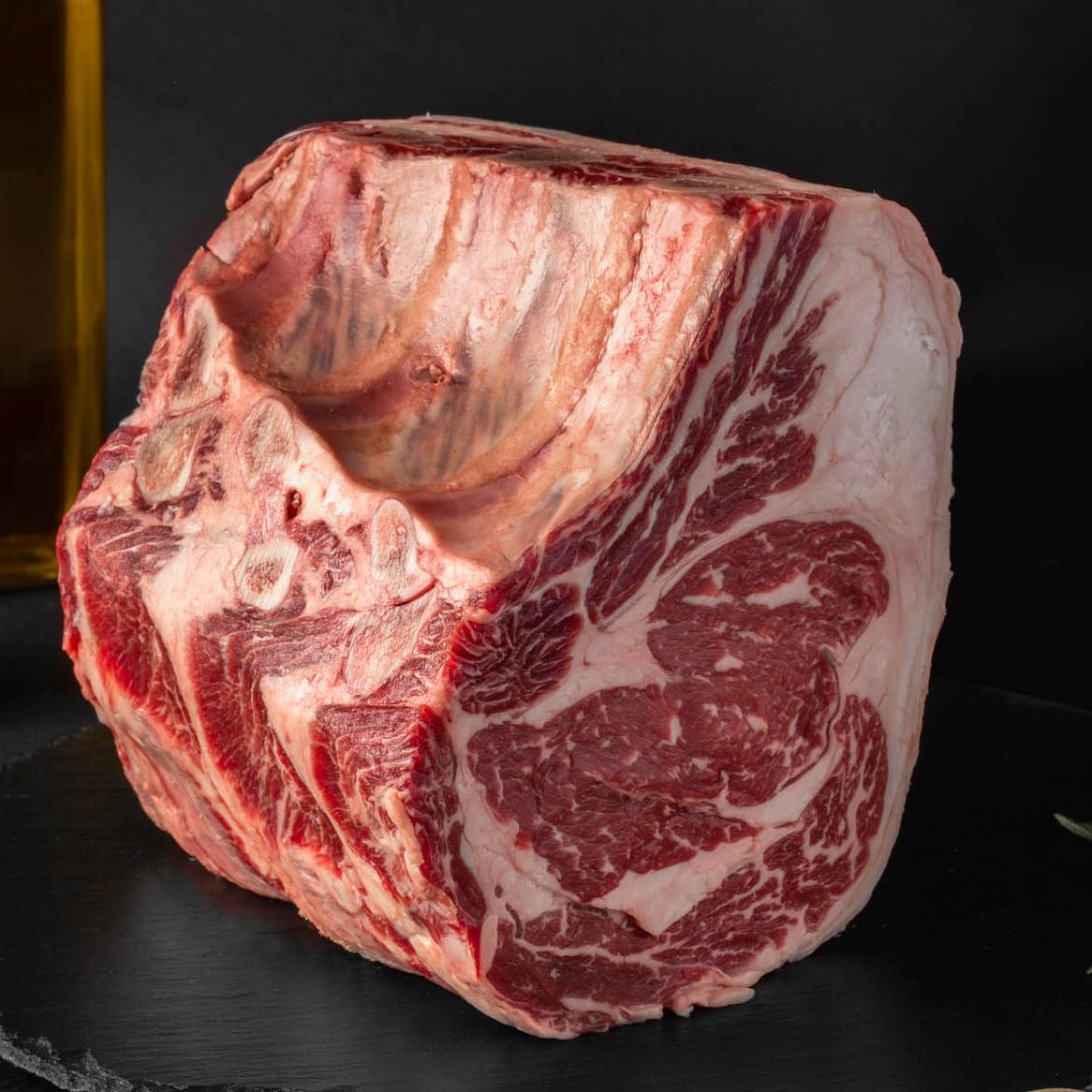
Look for well-marbled pieces, as the fat content enhances tenderness and flavor during the cooking process. The ideal cut should feel firm to the touch and have a vibrant, deep color, indicating freshness.
When purchasing, consider sourcing from a reputable butcher or specialty meat shop, where you can ensure quality. I typically request the cheeks from grass-fed cattle, which tend to yield more flavorful results.
| Criteria | Details |
|---|---|
| Marbling | Look for intramuscular fat for enhanced flavor and tenderness. |
| Color | Choose cuts with a rich red hue, indicating freshness and quality. |
| Source | Opt for reputable butchers or farms that prioritize animal welfare. |
| Texture | Firmness is key; avoid any mushy or overly soft pieces. |
For optimal results, always check the sell-by date and ensure the package is well-sealed. Proper selection sets the foundation for a delicious dish.
Preparing the Marinade for Optimal Flavor
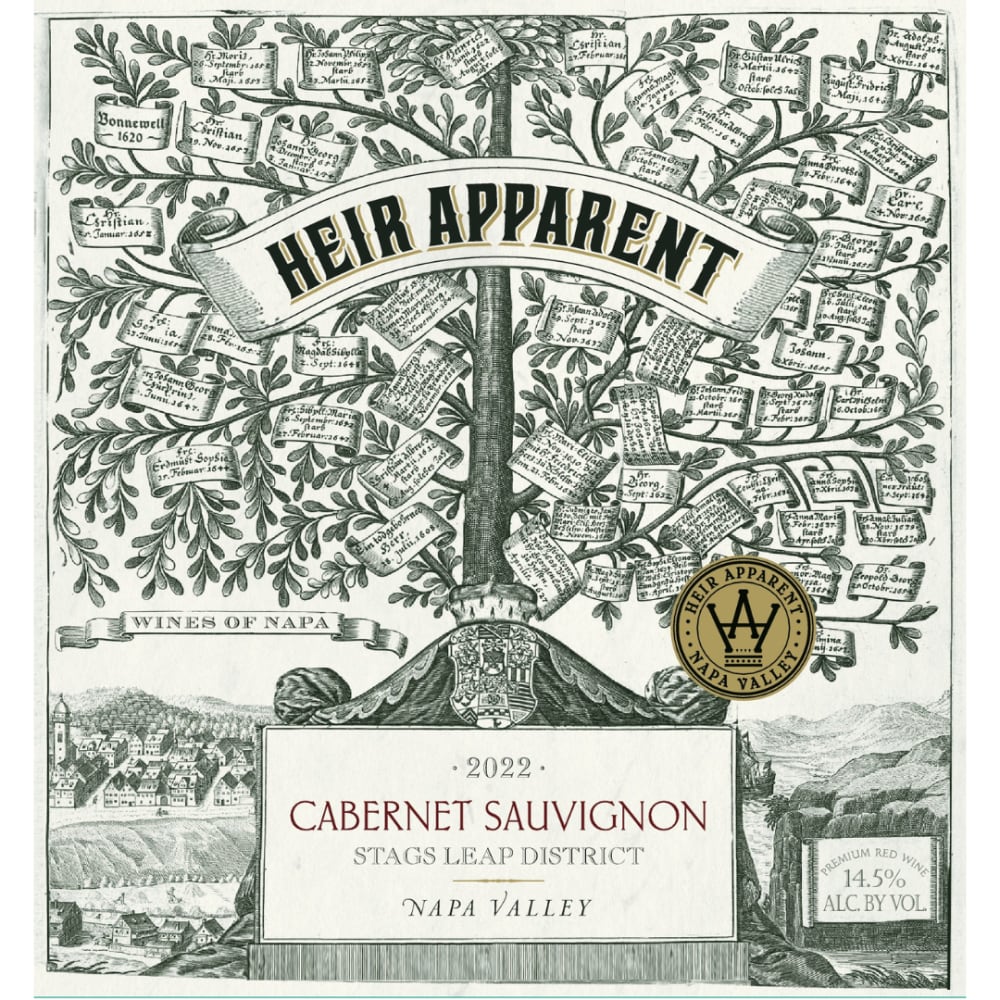
To achieve a depth of flavor, I recommend creating a marinade that balances acidity, sweetness, and aromatic elements. Start with a robust base, such as a high-quality Cabernet Sauvignon or Merlot, and combine it with complementary ingredients.
Ingredients
- 2 cups of red wine
- 1/4 cup of extra virgin olive oil
- 4 cloves of garlic, minced
- 2 tablespoons of balsamic vinegar
- 1 tablespoon of Dijon mustard
- Fresh herbs: thyme, rosemary, and bay leaves
- Salt and pepper to taste
Steps to Prepare
- In a large mixing bowl, combine the wine, olive oil, minced garlic, balsamic vinegar, and Dijon mustard.
- Add the fresh herbs, ensuring they are well distributed throughout the mixture.
- Season with salt and pepper, adjusting to your taste preference.
- Whisk the ingredients together until thoroughly blended.
- Submerge the meat in the marinade, ensuring it is fully covered. If using a resealable bag, remove excess air before sealing.
- Refrigerate for at least 4 hours, preferably overnight, to allow the flavors to infuse.
This marinade not only enhances the taste but also tenderizes the meat, resulting in a dish that is rich and satisfying. The balance of flavors will elevate the final outcome, making every bite memorable.
Perfect Techniques for Searing Beef Cheeks
Achieve a rich, caramelized crust by ensuring the meat is dry before hitting the pan. Patting the surface with paper towels removes excess moisture, allowing for better browning.
Select a heavy-bottomed skillet or Dutch oven that retains heat well. Preheat it over medium-high heat until it is hot enough that a drop of water sizzles upon contact.
Use a high smoke point oil, such as canola or grapeseed, to prevent burning. Add just enough to coat the bottom of the pan. Avoid overcrowding the pan; searing in batches ensures even cooking and proper browning.
Once the oil shimmers, place the pieces in the pan without moving them for several minutes. This forms a crust. Flip only when a deep brown color develops. Aim for a rich, golden-brown exterior without cooking through.
After achieving the desired sear, remove the meat and deglaze the pan with a splash of stock or vinegar. Scrape the fond from the bottom; it enhances the overall flavor of the dish.
FAQ:
What are beef cheeks and why are they used in cooking?
Beef cheeks are a cut of meat taken from the facial muscle of the cow. They are known for their rich flavor and tender texture when cooked properly. This cut is often favored in slow-cooking recipes because the collagen present in the meat breaks down over time, resulting in a succulent dish. Beef cheeks are particularly popular in braising and stewing, where they absorb the flavors of accompanying ingredients such as red wine and herbs.
What ingredients do I need to cook beef cheeks in red wine?
To prepare beef cheeks in red wine, you will need the following ingredients: beef cheeks, a good quality red wine (like Merlot or Cabernet Sauvignon), onions, carrots, celery, garlic, fresh herbs (such as thyme and rosemary), beef broth, olive oil, salt, and pepper. Optionally, you can add mushrooms or bacon for additional flavor. Having these ingredients ready will help you create a rich and flavorful dish.
How long does it take to cook beef cheeks in red wine?
The cooking time for beef cheeks in red wine typically ranges from 2 to 3 hours. This longer cooking time allows the meat to become tender as it braises in the liquid. The exact time may vary depending on the size of the beef cheeks and the cooking method used, such as stovetop or oven braising. It’s important to check for doneness and tenderness; the meat should easily pull apart with a fork when it is fully cooked.
Can I cook beef cheeks in a slow cooker instead of on the stove?
Yes, you can absolutely use a slow cooker to prepare beef cheeks in red wine. This method is particularly convenient as it allows for hands-off cooking. Simply sear the beef cheeks in a pan to develop flavor, then transfer them to the slow cooker along with the other ingredients. Set the slow cooker on low for 6 to 8 hours or on high for 4 to 5 hours. The slow cooker will ensure the meat becomes tender and flavorful as it cooks slowly in the red wine.
What should I serve with beef cheeks in red wine?
Beef cheeks in red wine pair well with a variety of side dishes. Popular choices include creamy mashed potatoes, polenta, or a hearty vegetable mash, which complement the rich flavors of the dish. You might also consider serving it with crusty bread to soak up the delicious sauce. Additionally, a side of roasted seasonal vegetables or a fresh green salad can provide a nice balance to the meal. Choose sides that you enjoy and that will enhance the overall dining experience.
What are the key ingredients needed to cook beef cheeks in red wine?
To prepare beef cheeks in red wine, you will need several key ingredients. The main component is, of course, the beef cheeks themselves, which are known for their rich flavor and tender texture when cooked properly. You will also need a good quality red wine, which will serve as both a cooking liquid and a flavor enhancer. Aromatic vegetables such as onions, carrots, and celery are essential for building a flavorful base. Additionally, garlic, fresh herbs like thyme and bay leaves, and beef stock or broth are often used to deepen the taste. Finally, salt and pepper will help season the dish to perfection.
How long does it typically take to cook beef cheeks in red wine, and what cooking method is best?
The cooking time for beef cheeks in red wine can vary depending on the method you choose. If you opt for slow braising in the oven, it usually takes around 2.5 to 3 hours at a low temperature (around 300°F or 150°C) to achieve that tender, melt-in-your-mouth texture. Alternatively, you can use a slow cooker, which may take about 6 to 8 hours on low heat. Both methods ensure that the meat becomes tender while absorbing the flavors of the wine and aromatics. Whichever method you choose, the key is to cook the beef cheeks until they are fork-tender.
Can I substitute beef cheeks with another cut of meat for this recipe?
While beef cheeks are particularly well-suited for braising due to their high collagen content, you can substitute them with other cuts of beef if necessary. Cuts like chuck roast, brisket, or short ribs can work as alternatives, although they may have slightly different cooking times and textures. Chuck roast is a great option for its flavor and tenderness, while brisket will provide a rich taste as well. Just keep in mind that each cut may require adjustments in cooking time, so it’s important to check for tenderness as you cook.