Chuck Furuya

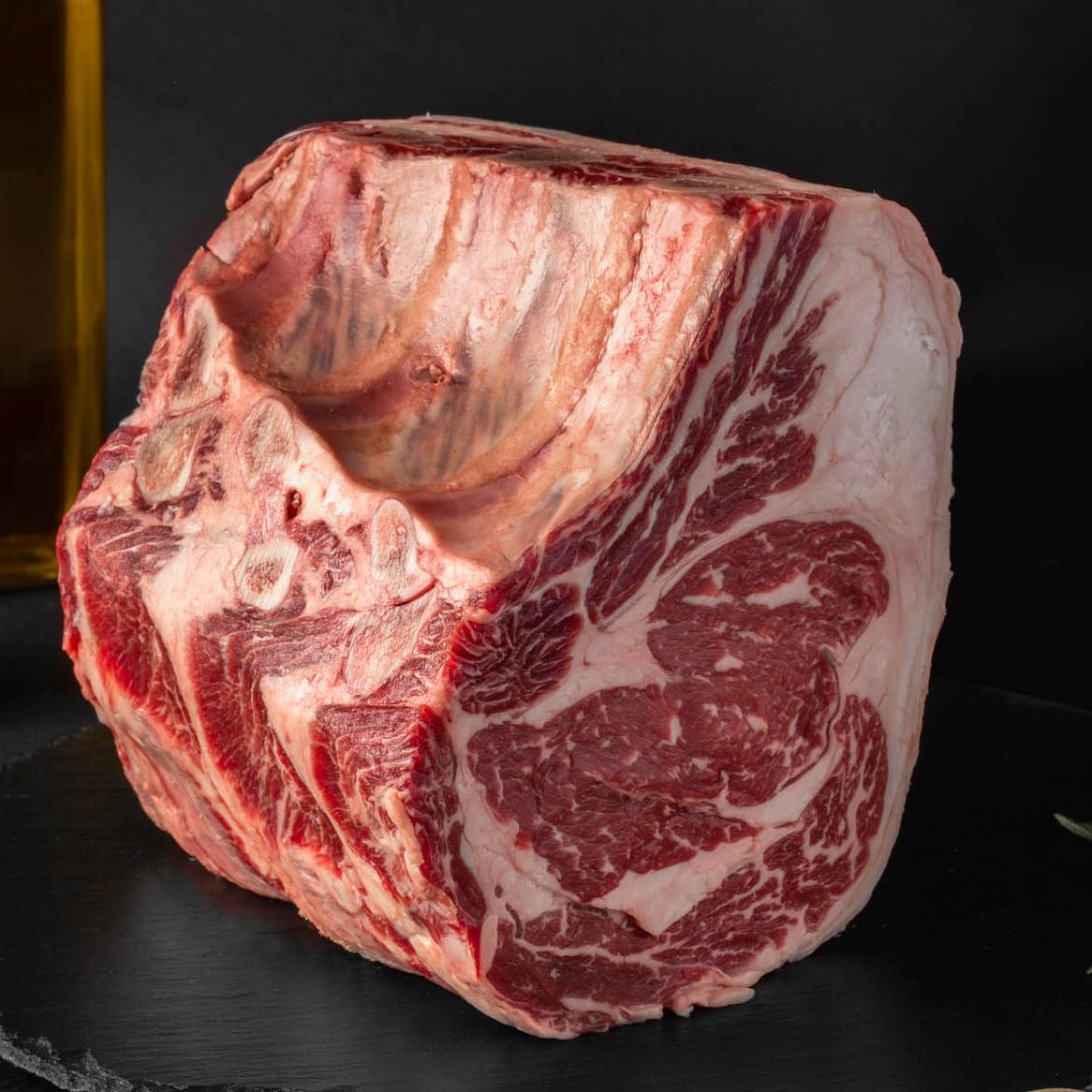
Begin by selecting high-quality cuts of deer, preferably from the shoulder or leg, as these are ideal for slow cooking. The marbling and connective tissue in these sections break down beautifully, resulting in tender morsels brimming with flavor.
Next, ensure to marinate the meat in a robust beverage, allowing it to absorb rich undertones. A blend of herbs and spices, including thyme and bay leaves, will enhance the overall taste profile. Let it rest for several hours, or overnight if time permits, to deepen the flavors.
When ready, sear the pieces in a hot pot with a splash of oil to develop a crust, sealing in the juices. Remove the meat and sauté aromatic vegetables such as onions, carrots, and celery in the same vessel. This step builds a flavorful base that complements the primary ingredients beautifully.

Return the marinated meat to the pot, add your choice of root vegetables, and pour in the marinated liquid. A slow simmer allows the ingredients to meld, transforming into a comforting dish that warms both the body and spirit. Serve hot, garnished with fresh herbs, for a delightful experience.
Preparation Tips for a Hearty Dish
Choose quality meat, preferably from younger animals, which offers a more tender texture. Trim excess fat to prevent greasiness during cooking. Cut the meat into uniform cubes, about 1.5 inches, to ensure even cooking.
Ingredient Selection
- Opt for a full-bodied beverage, such as a Cabernet Sauvignon or Merlot, to enrich the flavor profile.
- Include aromatic vegetables like carrots, onions, and celery for depth.
- Fresh herbs like thyme or rosemary complement the dish beautifully.
- Consider adding mushrooms for an earthy note.
Cooking Techniques
Start by searing the meat in a heavy pot over medium-high heat until browned on all sides. This step caramelizes the surface, enhancing the overall flavor. Remove the meat and set it aside.
In the same pot, sauté the chopped vegetables until softened. Return the meat to the pot, then pour in the chosen beverage and scrape the bottom to incorporate any browned bits.
For a rich sauce, add stock or broth, then bring the mixture to a simmer. Cover and reduce heat, letting it cook slowly for 1.5 to 2 hours until the meat is tender. Adjust seasoning with salt and pepper as needed.
For a thicker consistency, remove the lid during the last 30 minutes of cooking. This allows excess liquid to evaporate, concentrating the flavors.
Selecting the Right Cut of Venison
For a rich and flavorful dish, I recommend using the shoulder or shank cuts. These portions are ideal for slow cooking, as they become tender and absorb the flavors of the accompanying ingredients beautifully.
The shoulder provides a balance of meat and fat, enhancing the overall taste. The shank, being a tougher cut, benefits from lengthy simmering, resulting in a melt-in-your-mouth texture. Both options are perfect for creating a hearty meal.
Other Cuts to Consider
Another excellent choice is the neck. Its marbling contributes to a deep flavor profile, making it a fantastic option for a robust preparation. If you prefer a leaner alternative, tenderloin can be used, though it requires careful cooking to avoid drying out.
Understanding Quality
When selecting your meat, ensure it is bright red and firm to the touch, indicating freshness. Look for cuts that have a good amount of marbling, which will render delicious flavors during cooking. If possible, source from local suppliers or hunters to guarantee quality and sustainability.
Choosing the Best Red Wine for Cooking
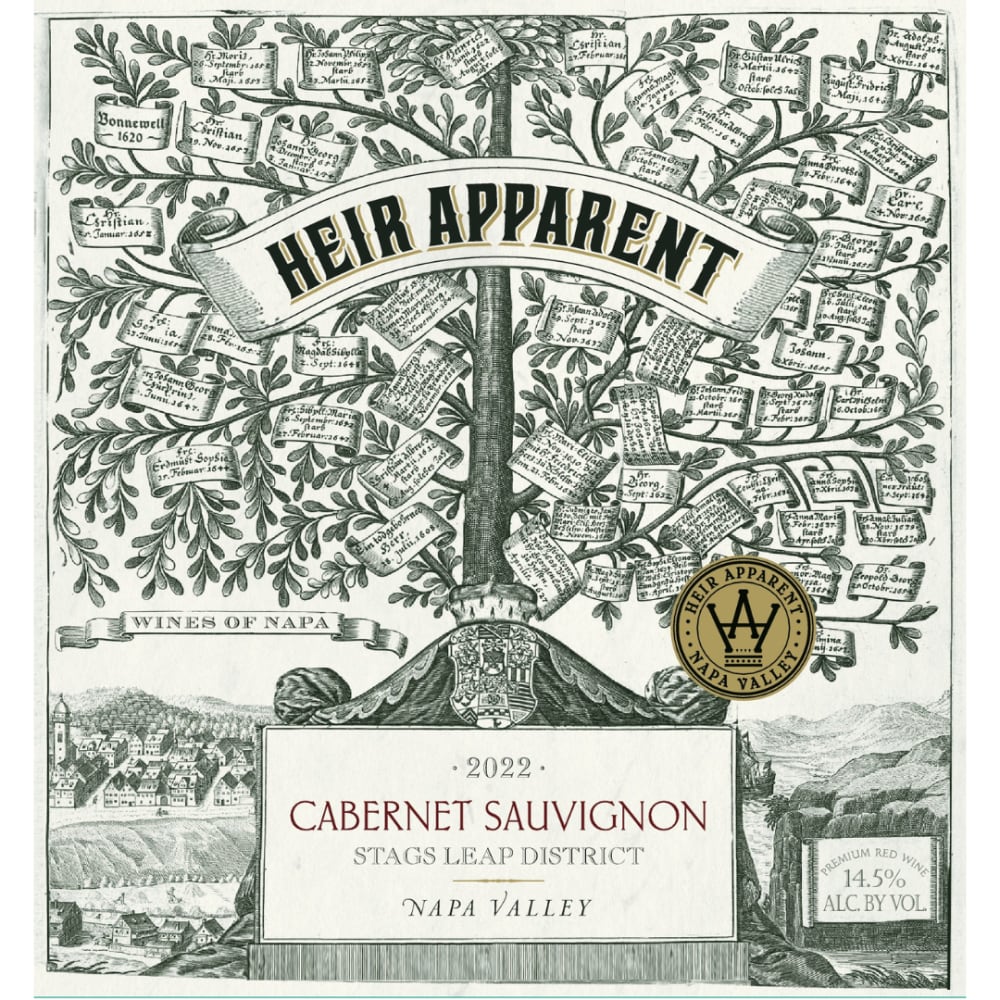
For enhancing the depth of flavor in my dish, I prefer a full-bodied variety, such as Cabernet Sauvignon or Merlot. These types impart a rich, robust character that balances well with the savory elements of the ingredients.
Key Characteristics to Look For
When selecting a bottle, I focus on the following traits:
- Tannin Levels: Higher tannin content adds structure and complexity.
- Acidity: A balanced acidity helps to brighten the overall flavor profile.
- Fruitiness: Look for wines with dark fruit notes that complement the richness of the meat.
Recommendations
| Type | Flavor Profile | Best Use |
|---|---|---|
| Cabernet Sauvignon | Bold, dark fruit, and spice | Hearty dishes |
| Merlot | Smooth, medium-bodied with plum notes | Versatile for various recipes |
| Syrah/Shiraz | Rich, peppery, with dark berry flavors | Excellent for braising |
| Zinfandel | Jammy, fruit-forward with spice | Great for marinades |
Choosing a quality bottle results in a more flavorful experience, so I avoid cooking wines that may contain added preservatives or artificial flavors. Always opt for a wine that I would enjoy drinking, as its quality directly impacts the final dish.
Step-by-Step Cooking Process for Venison Stew
Begin by preparing the protein; I prefer to cut it into uniform cubes, usually about 1 to 1.5 inches. This ensures even tenderness during the braising process. Season the pieces generously with salt and pepper.
Next, heat a heavy-bottomed pot over medium-high heat. Add a couple of tablespoons of oil, allowing it to reach shimmering before introducing the meat. Sear the cubes in batches, ensuring they develop a rich brown crust. Once done, transfer them to a plate and set aside.
Aromatic Vegetables
In the same pot, reduce the heat to medium and toss in diced onions, carrots, and celery. Cook these until softened, about 5-7 minutes. Stir in minced garlic and cook for another minute, allowing the flavors to meld.
Deglaze the pot by pouring in the chosen bottle of vino, scraping up any browned bits from the bottom. This step adds depth to the dish. Let it simmer for a few minutes to reduce slightly.
Bringing It All Together
Return the meat to the pot, along with herbs like thyme and bay leaves, and pour in enough stock to cover the ingredients. Bring the mixture to a gentle boil, then cover and reduce the heat to low, allowing it to simmer for 2 to 3 hours. Stir occasionally, checking for tenderness.
As it nears completion, taste and adjust seasoning as necessary. For a thicker consistency, I sometimes mix in a slurry of cornstarch and water. Serve hot, garnished with fresh herbs if desired.
Tips for Enhancing Flavor and Texture
To intensify taste and improve mouthfeel, consider marinating the meat in a mixture of herbs and spices before cooking. A blend of rosemary, thyme, and garlic works exceptionally well.
- Use a splash of balsamic vinegar in the marinade for acidity, which helps tenderize the meat.
- Incorporate umami-rich ingredients like mushrooms or tomato paste during the cooking process.
- Brown the meat thoroughly in a hot pan before adding any liquids; this step creates a deeper flavor profile through Maillard reaction.
For texture, add root vegetables such as carrots and parsnips, which not only enhance sweetness but also provide a hearty consistency.
- Thicken the mixture with a slurry of cornstarch or flour combined with cold water, added towards the end of the cooking time.
- Consider finishing the dish with a pat of butter or a drizzle of high-quality oil for a silky mouthfeel.
Adjust seasoning gradually; tasting throughout the process allows for better control over the final flavor. A pinch of salt can elevate overall taste, while a dash of black pepper adds warmth.
- Experiment with adding a touch of citrus zest, like orange or lemon, for brightness.
- Herbs added at the end of cooking, such as fresh parsley or dill, can enhance aroma and freshness.
Lastly, serving with a side of crusty bread or creamy polenta can elevate the overall dining experience.