Chuck Furuya
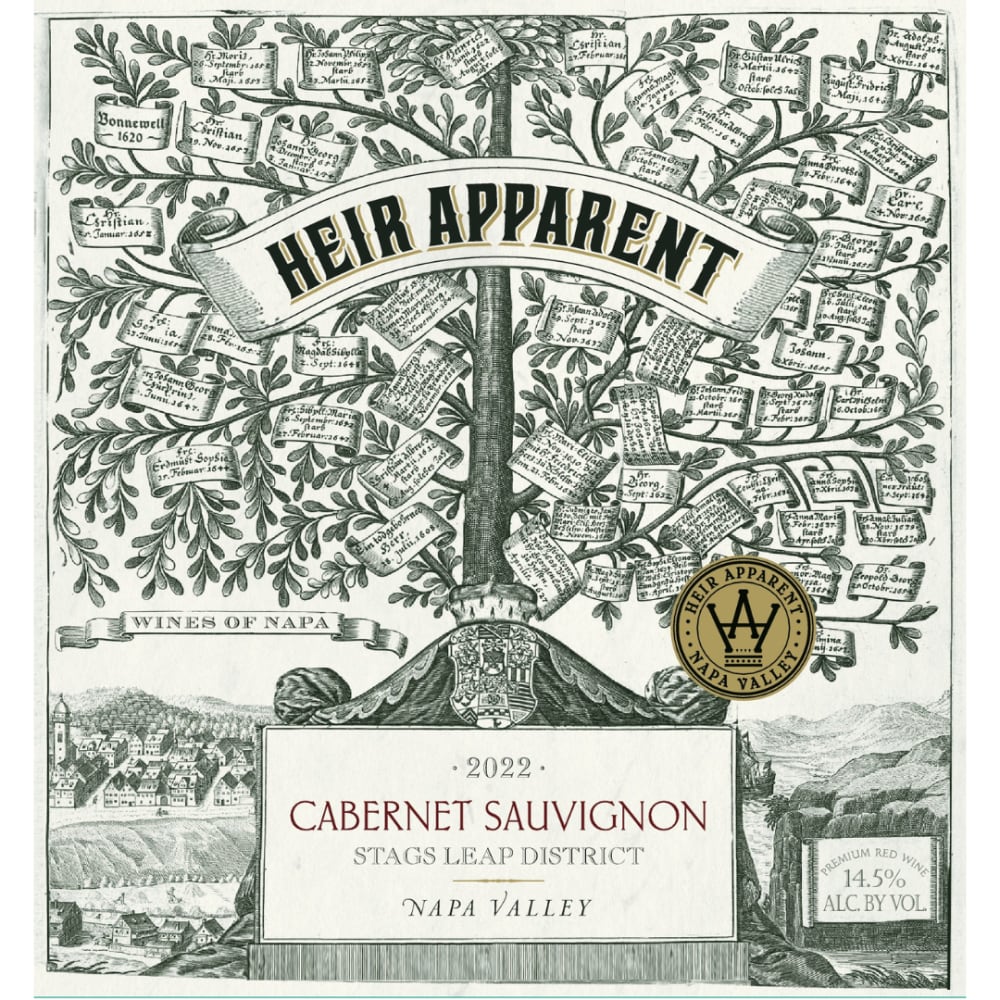
I recommend using a Cabernet Sauvignon for enriching sauces and stews. Its robust character adds depth and complexity to dishes, making it a favorite among chefs. A bottle from California, particularly Napa Valley, can provide a balance of fruitiness and tannins that enhances savory flavors.
Another excellent option is a Merlot, which offers a softer profile while still contributing a rich flavor. Choosing one from Bordeaux can bring elegant notes of plum and chocolate, perfect for braised meats. The smooth texture of Merlot complements a variety of ingredients, allowing for versatility in recipes.
For a unique twist, consider a Zinfandel. This varietal is known for its peppery spice and ripe fruit notes, making it ideal for marinades and barbecue sauces. A bottle from Sonoma County can elevate your dishes with its bold personality, bringing an exciting flavor to your culinary endeavors.
Finally, a Syrah from the Rhône Valley can impart dark fruit and smoky undertones, enhancing hearty dishes like lamb or beef. This robust selection stands up well against strong flavors, making it a great choice for more intense recipes.
Choosing the Right Type of Red Beverage for Cooking
Cabernet Sauvignon stands out as an excellent choice due to its robust flavor profile. It can add depth to stews and sauces, enhancing the overall taste. Merlot is another versatile option, known for its smoothness, which pairs well with a variety of dishes, particularly poultry and pork.
Syrah or Shiraz brings a bold, spicy character that complements grilled meats and hearty dishes. Zinfandel, with its fruit-forward notes, works wonders in marinades and barbecue sauces, providing a sweet yet tangy element. Tempranillo is great for Spanish recipes, enhancing flavors in paellas and rich sauces.
For lighter dishes, consider Pinot Noir; its acidity and subtlety can elevate mushroom risottos and roasted vegetables. Chianti, with its high acidity, pairs well with tomato-based sauces, making it a natural fit for Italian cuisine.
| Type | Flavor Profile | Best Uses |
|---|---|---|
| Cabernet Sauvignon | Robust, full-bodied | Stews, sauces |
| Merlot | Smooth, versatile | Poultry, pork dishes |
| Syrah/Shiraz | Bold, spicy | Grilled meats, hearty dishes |
| Zinfandel | Fruit-forward, sweet | Marinades, barbecue sauces |
| Tempranillo | Rich, earthy | Spanish recipes |
| Pinot Noir | Light, acidic | Mushroom risottos, roasted vegetables |
| Chianti | High acidity, fruity | Tomato-based sauces |
Choosing the right type of crimson liquid can significantly impact the flavor of your culinary creations. Always opt for a bottle you would enjoy drinking, as the quality directly influences the final dish.
Key Characteristics of Hearty Red Wines
High tannin content is a hallmark of robust varieties, providing structure and enhancing mouthfeel. Varietals like Cabernet Sauvignon or Syrah often exhibit this trait, which complements rich dishes beautifully.
The acidity level plays a significant role in balancing flavors. Wines with moderate to high acidity, such as Barbera or Sangiovese, can cut through fatty meats, adding brightness to the overall dish.
Fruit flavor profiles in these selections often lean towards dark fruits–think blackberries, plums, or cherries–which can add depth and complexity. These flavors not only enhance the dish but also contribute to a more rounded palate experience.
Another key aspect is the aging potential. Many full-bodied options benefit from time spent in oak barrels, imparting notes of vanilla, spice, and smoke. This aging process can elevate the dish’s flavor profile, making it more sophisticated.
Lastly, the alcohol content typically ranges from 13% to 15%. This higher level contributes to the richness and can intensify the flavors during the cooking process, ensuring a more robust final dish.
Popular Hearty Red Wines for Culinary Use
Cabernet Sauvignon stands out as an exceptional choice. Its bold structure and rich flavors complement meats beautifully. I often use this varietal in braises and stews, where its tannins break down, enhancing the dish’s depth.
Merlot is another fantastic option. With its softer profile, it works wonders in sauces and marinades. Its fruit-forward characteristics can elevate a simple dish to something extraordinary.
Syrah, known for its peppery notes and dark fruit flavors, adds complexity to hearty recipes. I recommend using it in slow-cooked dishes to bring out the wine’s true essence.
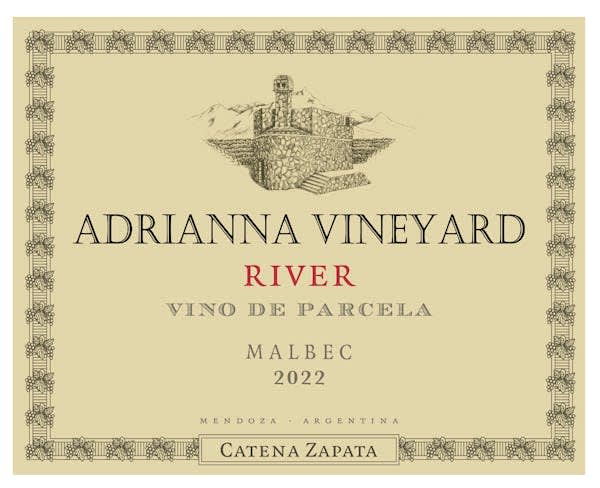
Malbec, with its deep color and ripe plum flavors, pairs wonderfully with grilled meats. I find that it enhances the umami in rich dishes, making it a staple in my kitchen.
Tempranillo, from Spain, offers a unique earthy quality. Its versatility allows it to shine in both sauces and braised dishes, imparting a distinctive flavor profile.
Other Noteworthy Options
- Zinfandel: Fruit-forward with a hint of spice, perfect for barbecue sauces.
- Pinot Noir: While lighter, its complexity can elevate mushroom dishes significantly.
- Sangiovese: Great for Italian recipes, its acidity balances rich tomato sauces.
Each of these selections has unique traits, making them suitable for various culinary applications. Experimenting with different varieties can lead to delightful discoveries in flavor and texture.
Understanding Wine Acidity and Flavor Profiles
Choosing an ideal option involves recognizing the acidity and flavor characteristics that enhance dishes. Acidity levels influence the balance in meals, making them brighter and more refreshing. A higher acidity often pairs well with rich ingredients, cutting through fats and adding depth to the overall taste.
Acidity Levels
In my experience, wines with moderate to high acidity, such as certain varieties of Sangiovese or Barbera, work wonders in sauces and stews. The tartness complements savory components and enhances the overall flavor profile. When assessing acidity, look for a crisp finish that invigorates your palate.
Flavor Profiles
Flavor complexity plays a crucial role. Look for options with notes of dark fruits, herbs, or spices, which can elevate a dish significantly. For instance, a wine with flavors of black cherry or plum can add richness, while herbal undertones provide an aromatic lift. Experimenting with these profiles can lead to remarkable culinary creations.
Ultimately, understanding the interplay of acidity and flavor will guide your selection, ensuring that the chosen option not only complements but also enhances your culinary endeavors.
How to Pair Red Wine with Different Dishes
For optimal flavor harmony, I recommend matching the intensity of the dish with the characteristics of the beverage. Bold meals such as beef stew or lamb shanks pair excellently with a full-bodied varietal like Cabernet Sauvignon or Syrah. The robust profile complements the richness of the meat and enhances the overall dining experience.
Pasta and Tomato-Based Sauces
When serving pasta, particularly with tomato sauces, a medium-bodied option such as Chianti or Merlot works well. Their acidity balances the sauce’s tomato base while enriching the flavors. Avoid overly tannic selections that may clash with the acidity of tomatoes.
Grilled Vegetables and Fish
- For grilled vegetables, a lighter choice like Pinot Noir can add a delightful contrast without overpowering the dish.
- When pairing with grilled fish, consider a Grenache or a light-bodied Tempranillo to enhance the dish’s subtle flavors while providing a pleasant finish.
For hearty dishes featuring game meats, such as venison or duck, I find a Zinfandel or Malbec to be particularly suitable. Their fruit-forward profiles and moderate tannins complement the gamey flavors beautifully.
Always consider the preparation method and accompanying ingredients. Spicy dishes benefit from a fruitier varietal, which can help to temper the heat, while creamy sauces pair well with wines that have a smooth finish, like a soft Cabernet Franc.
Experimentation is key; trust your palate and explore diverse combinations to find the perfect match for your culinary creations.