Chuck Furuya


For a deliciously rich dish, using beef broth or stock is a great alternative to red wine. This liquid not only enhances the flavor but also adds depth to the overall dish. A combination of aromatics such as onions, garlic, and celery will elevate the taste further.
Begin by browning the meat in a heavy pot for a few minutes until it’s nicely caramelized. This step is crucial as it develops a robust flavor base. After browning, remove the pieces and sauté the chopped vegetables in the remaining fat to capture all those savory bits stuck to the pot.
Next, return the meat, then add your beef stock. To infuse more flavor, consider incorporating herbs like thyme and bay leaves. Simmering this mixture on low heat will tenderize the meat and allow the flavors to meld beautifully. Adjust seasoning with salt and pepper as needed.
As you near completion, adding a splash of vinegar or citrus juice can brighten the dish, balancing the richness of the meat. Serve with mashed potatoes or polenta for a hearty meal that’s sure to impress.
Cooking Oxtail with Alternative Ingredients
For a rich flavor profile, I recommend using beef broth instead of traditional alcohol. It provides depth and enhances the natural taste of the meat. Start by browning the pieces in a heavy pot with olive oil over medium-high heat, ensuring they develop a nice caramelization.
Flavor Enhancements
Add aromatics like chopped onions, garlic, and carrots to the pot after browning. Sauté them until softened, releasing their natural sweetness. Incorporate herbs such as thyme and bay leaves for additional layers of flavor. A splash of apple cider vinegar or balsamic vinegar can contribute acidity, balancing the dish nicely.
Slow Cooking for Tenderness
Transfer everything to a slow cooker or return it to the stovetop on low heat. Cover with beef broth, allowing the meat to simmer for several hours until it becomes tender. The slow cooking process is crucial for breaking down the collagen, resulting in a melt-in-your-mouth texture. Adjust seasoning with salt and pepper throughout the cooking process, tasting as you go.
Finish with fresh herbs like parsley or cilantro before serving, adding a vibrant touch to the dish. This approach ensures a hearty meal bursting with flavor, perfect for any occasion.
Choosing the Right Cuts of Tail
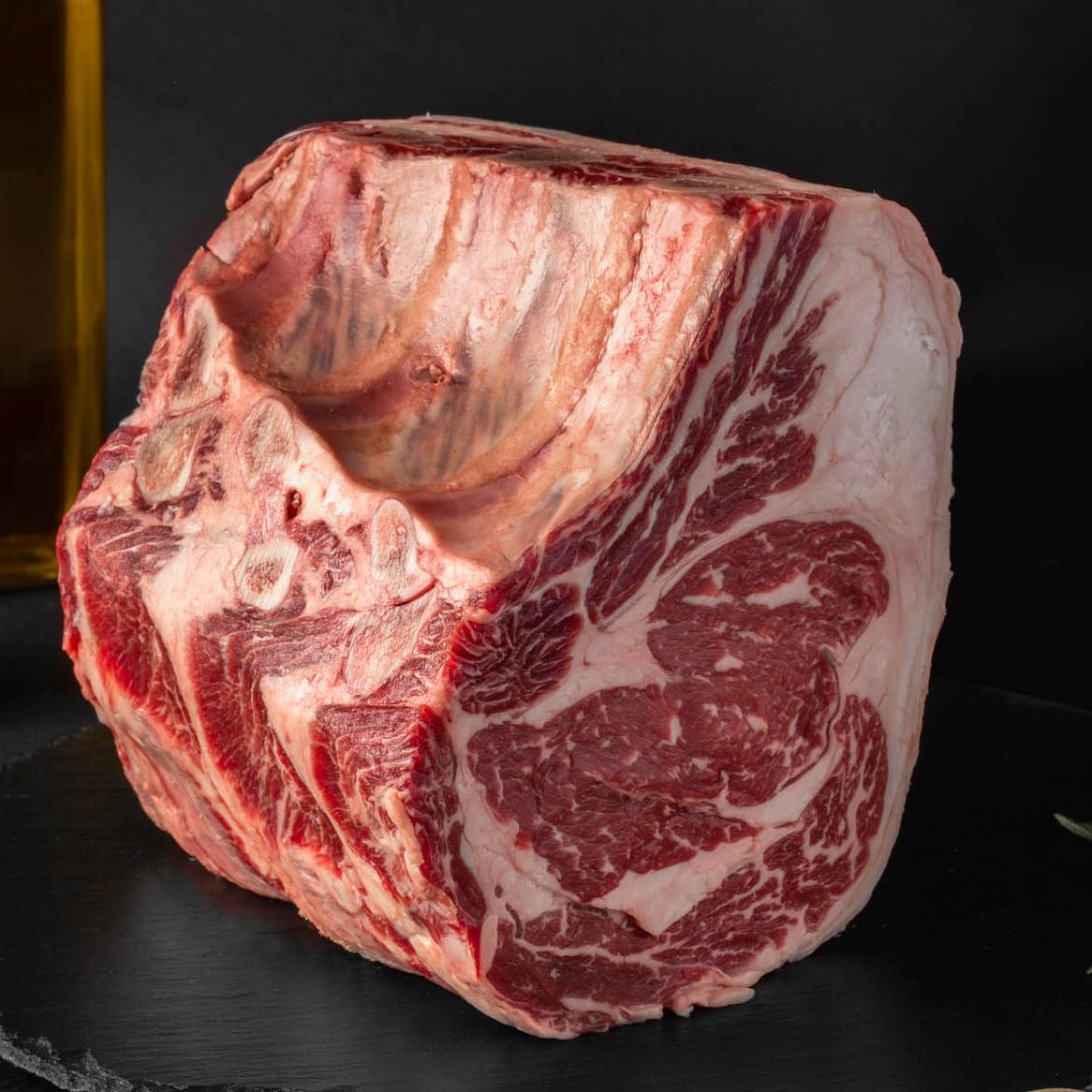
For the best flavor and texture, I prefer the thicker sections of the tail, as they contain more meat and marrow. Look for cuts that feature a good amount of gelatin, which contributes to a rich and hearty dish. The segments closest to the base are often meatier and should be prioritized.
Recommended Cuts
Here are the top options I consider when selecting tail segments:
| Cut Type | Description |
|---|---|
| Thick Cut | Meatier sections with ample marrow; ideal for long cooking times. |
| Medium Cut | Balance of meat and bone; offers good flavor but less gelatin. |
| Thin Cut | Less meat; better suited for quicker preparations or soups. |
Buying Tips
Inspect the cuts for marbling; more fat typically means better flavor. Freshness is key; choose pieces with a bright color and minimal odor. If possible, buy from a trusted butcher who can provide insights on the best segments for your needs.
Preparing Oxtail for Cooking
Begin by thoroughly rinsing the pieces under cold water to remove any residual blood or bone fragments. This step ensures a cleaner flavor and texture in the final dish.
Next, pat the meat dry with paper towels. This helps achieve a better sear when browning the pieces, enhancing the overall taste.
Season generously with salt and freshly ground black pepper. Allow the meat to rest for at least 30 minutes before proceeding; this helps the seasoning penetrate the fibers.
For added depth, consider incorporating aromatics. Finely chop onions, garlic, and celery. These vegetables form a flavorful base, providing richness to the dish.
Utilizing a heavy-bottomed pot can significantly improve heat distribution. Preheat it over medium-high heat, then add a small amount of oil. Once shimmering, carefully place the seasoned pieces in the pot.
Brown the meat on all sides, ensuring a rich color develops. This caramelization process is key to building flavor complexity.
After browning, remove the pieces from the pot and set aside. Deglaze the pot with broth, scraping up any browned bits stuck to the bottom. This adds layers of flavor to the dish.
Return the meat to the pot, along with the chopped aromatics. Add additional liquids, such as broth or tomato puree, to cover the meat halfway. Adjust the liquid quantity based on your desired consistency.
Finally, bring the mixture to a gentle simmer before covering and reducing the heat. Slow cooking for several hours allows the collagen in the meat to break down, resulting in tender and flavorful morsels.
Flavoring Oxtail Without Wine
For a rich and aromatic dish, I rely on a blend of herbs and spices. Fresh thyme and rosemary offer a fragrant touch, while bay leaves provide depth. I often add garlic and onions, sautéing them until golden to form a flavorful base.
Using Broth and Acidity
Instead of wine, I incorporate a high-quality beef or vegetable broth. This adds umami and moisture. A splash of vinegar, such as apple cider or balsamic, can introduce the necessary acidity, balancing the dish’s richness. I typically use about a tablespoon or two, adjusting to taste.
Complementing Flavors
To enhance the taste, I include ingredients like soy sauce or Worcestershire sauce for a savory kick. Additionally, I add a touch of tomato paste or crushed tomatoes to introduce sweetness and acidity, rounding out the flavors. For a bit of heat, crushed red pepper or fresh chili can be effective.
In my experience, serving with fresh herbs as a garnish, like parsley or cilantro, brightens the dish significantly. Each of these elements contributes to a robust and satisfying meal that doesn’t rely on wine for its character.
Cooking Methods for Oxtail
Pressure cooking offers a quick way to tenderize this cut, reducing cooking time significantly. I set the cooker for about 45 minutes under high pressure after browning the meat and adding aromatics. The result is fall-off-the-bone tenderness.
Slow roasting provides deep flavors and a rich texture. I recommend seasoning the meat, placing it in a Dutch oven, and cooking it low and slow at around 300°F for several hours. This method allows the flavors to meld beautifully.
Stovetop braising is another effective technique. I brown the pieces, then add stock and herbs, covering them to simmer gently for three to four hours. This method creates a flavorful sauce that accompanies the meat perfectly.
Grilling oxtail can also yield excellent results. After marinating the meat, I grill it over medium heat, turning frequently until it’s nicely charred and cooked through. It pairs wonderfully with a tangy sauce.
Finally, using a slow cooker simplifies the process even more. I place the seasoned meat with vegetables and liquid, setting it on low for 8 hours. This hands-off method ensures the meat remains moist while developing a complex flavor profile.
Timing and Temperature for Tender Oxtail
For achieving tender results, I recommend cooking at a low temperature for an extended time. The ideal range is between 250°F to 300°F (120°C to 150°C). This slow cooking allows the connective tissues to break down effectively, enhancing tenderness.
Cooking Times
- For braising, allocate 3 to 4 hours.
- Pressure cooking reduces this to about 45 minutes to 1 hour, but ensure to follow the manufacturer’s guidelines for safety.
- Slow cooking requires approximately 6 to 8 hours on low heat for optimal results.
Checking Doneness
To determine readiness, I check if the meat is easily pulled away from the bone. If this occurs with minimal effort, it indicates that the dish is ready to serve. A meat thermometer can be used to ensure the internal temperature reaches at least 190°F (88°C) for the best texture.
Resting the dish for at least 15 minutes post-cooking allows juices to redistribute, enhancing flavor and moisture. Enjoying this meal with suitable side dishes will complement its rich taste.