Chuck Furuya

Using varieties aged between 3 to 5 years is ideal for most savory dishes. This range allows the flavors to mature without becoming overly complex or losing their vibrant characteristics. Younger selections, around 1 to 2 years, work well for marinades and sauces where a fresher, fruitier profile is desired.
For stews and braises, I often choose bottles aged 5 to 10 years. These tend to bring depth and richness to the dish, enhancing the overall taste without overpowering the other ingredients. Vintage selections beyond a decade can be reserved for special occasions or used sparingly, as their subtleties might not translate well in everyday recipes.
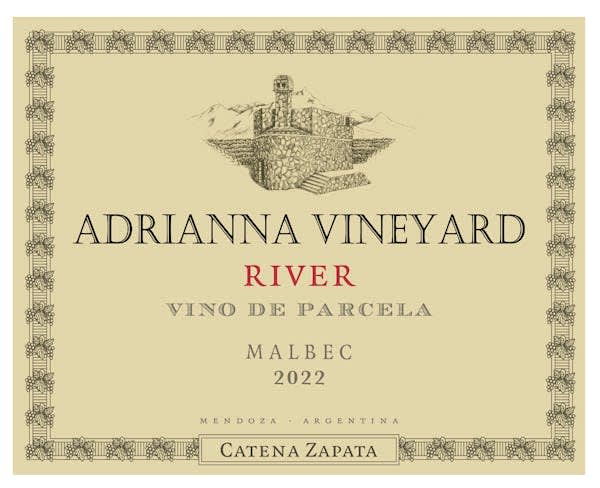
Ultimately, the choice depends on the dish and personal preference. Experimenting with different ages can lead to delightful discoveries in flavor and texture, enriching the culinary experience.
Age Recommendations for Culinary Use
I recommend utilizing bottles that are less than five years from the vintage date. This timeframe ensures that the flavors remain fresh and vibrant, enhancing dishes without overwhelming them. For hearty meals, a slightly older selection, around 5-10 years, can add depth and complexity. However, avoid anything beyond a decade, as the essence may diminish significantly, leading to less desirable characteristics.
Opt for options that exhibit robust fruit notes and balanced acidity. Avoid overly tannic or bold varieties, as they can impart an unpleasant bitterness. Aim for approachable styles that complement the ingredients rather than dominate them. Always taste the beverage before incorporating it into your recipe to gauge its suitability.
Storage conditions impact quality. If I have a bottle that has been opened, I ensure to use it within a week to maintain its integrity. For cooking purposes, it’s better to prioritize accessibility and flavor over rarity. Select affordable yet flavorful choices that can elevate the dish without breaking the bank.
Understanding the Aging Process of Red Wine
I recommend considering the aging process of this beverage as a key factor in its suitability for various culinary applications. The maturation typically occurs in barrels or bottles, affecting flavor, aroma, and texture. Here are some points to keep in mind:
- Flavor development: During maturation, a beverage undergoes chemical reactions that enhance complexity. Tannins soften, making the liquid smoother.
- Aroma evolution: Aging can introduce notes such as spice, leather, or earthy characteristics, which may complement certain dishes.
- Oxidation: Exposure to air during aging allows gradual oxidation, which can add richness to the profile.
When selecting a bottle for culinary use, focus on the following:
- Varietal characteristics: Different grape types age uniquely, impacting their flavor profile.
- Storage conditions: Proper temperature and humidity influence the aging process, affecting the outcome.
- Time: Generally, a beverage benefits from being aged at least a few years, but the ideal duration varies by type.
In conclusion, understanding the intricacies of aging provides insight into choosing the right bottle to enhance dishes effectively.
Choosing the Right Age for Different Recipes
For braises and stews, I prefer bottles aged between 5 to 10 years. The complexity developed during this time enhances the depth of flavors in hearty dishes. A medium-bodied option works well here, as it balances richness without overpowering the dish.
Marinades and Sauces
When crafting marinades, I often opt for younger selections, around 2 to 4 years. These tend to bring vibrant fruit notes that complement meats beautifully. In sauces, a bottle aged 3 to 6 years can add a pleasing acidity that brightens the overall profile without being too heavy.
Risottos and Pasta Dishes
For risottos or pasta, I find that a bottle with 3 to 5 years of aging strikes the perfect balance. This age range provides a lovely integration of flavors that enhances creamy textures while offering a subtle backdrop to the dish’s primary ingredients.