Chuck Furuya

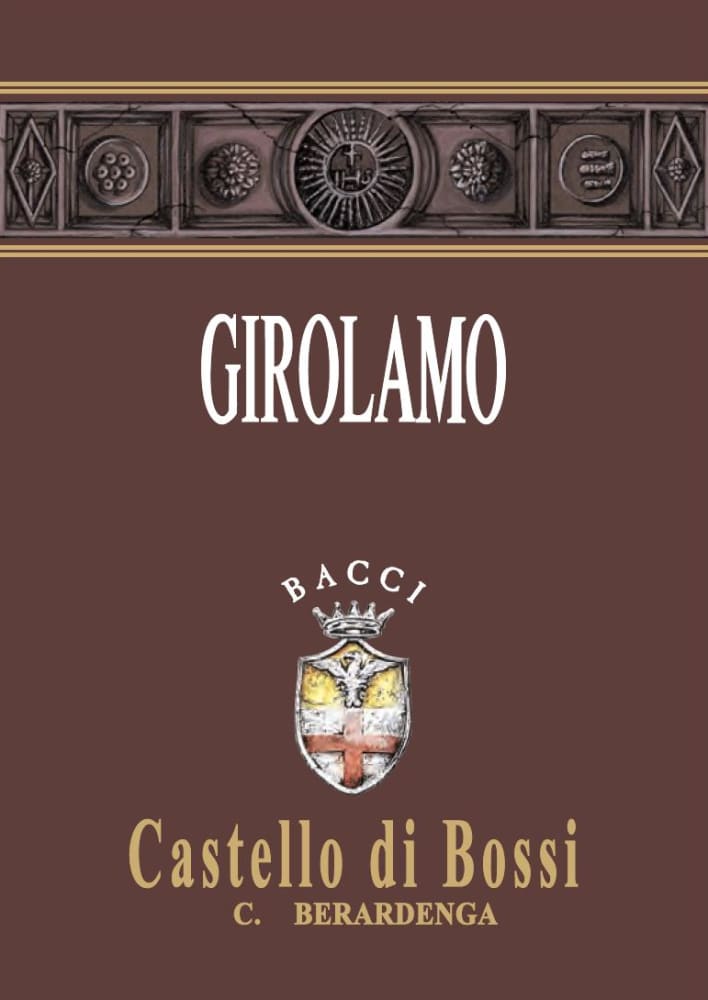
Begin with a quality bottle of your favorite dark beverage, ensuring it has rich flavors and a balanced acidity. Pour a cup into a saucepan and bring it to a gentle simmer over medium heat. This process will concentrate the flavors, enhancing the final profile of your sauce.
As it reduces, add finely chopped shallots and a sprig of thyme for depth. Cook until the liquid decreases by half, allowing the sweetness of the shallots to meld with the beverage. This step is crucial for achieving a well-rounded taste.
Incorporate a tablespoon of cold butter at the end to achieve a silky texture. Whisk it in until fully melted and combined, which will give your sauce a glossy finish. Adjust the seasoning with salt and pepper to elevate the flavors even further.

This simple yet flavorful sauce will elevate your dish, creating a delightful pairing with succulent cuts of meat. Enjoy the process and savor the results on your plate.
Selecting the Right Red Wine for Reduction
Choose a medium to full-bodied option like Merlot, Syrah, or Cabernet Sauvignon. These varietals bring depth and complexity to the sauce, enhancing the dish’s flavor profile.
Avoid overly tannic or high-acidity selections, as they can overpower the final result. Instead, opt for bottles with balanced acidity and fruit-forward notes. Look for wines that showcase dark fruit flavors, such as blackberry or plum, which complement the richness of the meat.
Consider the origin of the wine. Regions like Bordeaux, Napa Valley, and certain areas of Australia produce excellent candidates for this purpose. Always sample a small amount before using it in your sauce to ensure it aligns with your palate.
Using a wine that you enjoy drinking can enhance the overall experience, as the flavors will naturally integrate better. Avoid cooking wines, as they often lack the quality needed for a robust sauce.
Lastly, remember that the wine should not be excessively expensive; a good bottle in the $10-$20 range often works well. Prioritize quality and taste over price for the best results in your sauce.
Preparing the Pork for the Sauce
Before cooking, I ensure the meat is at room temperature for even cooking. Patting the surface dry with paper towels helps achieve a good sear. Season generously with salt and freshly ground black pepper, allowing the flavors to penetrate the surface.
Choosing the right cut is key. I prefer pork tenderloin or loin chops due to their tenderness and ability to absorb flavors. Trimming excess fat and silverskin enhances the texture and prevents greasiness.
When ready to cook, I heat a heavy skillet over medium-high heat, adding a splash of oil. Once the oil shimmers, I place the seasoned meat in the pan, ensuring not to overcrowd it. This creates a perfect golden-brown crust.
After searing, I remove the meat and let it rest for a few minutes. This step retains juices, ensuring a succulent final dish. Meanwhile, in the same skillet, I scrape up the browned bits to incorporate them into the sauce, enriching the flavor profile.
By following these steps, the foundation for a flavorful sauce is established, enhancing the overall dish.
Sautéing Aromatics to Enhance Flavor
Begin with a hot skillet, adding a tablespoon of olive oil or butter. Once melted, introduce finely chopped onions or shallots. Sauté until they turn translucent, about 3-5 minutes. This step forms the aromatic base, releasing natural sugars and deepening the flavor profile.
Choosing Additional Ingredients
Incorporate minced garlic after the onions are softened, allowing it to cook for an additional minute. This prevents bitterness while maximizing aroma. Consider adding diced carrots or celery for sweetness and complexity.
Herbs and Spices
Fresh herbs like thyme or rosemary can elevate the sauce. Add them towards the end of the sautéing process to preserve their brightness. A pinch of black pepper or crushed red pepper flakes can also enhance the depth of flavor without overwhelming the dish.
Deglazing the Pan with Red Wine
After searing the meat, it’s time to use the flavorful bits left in the pan. Pour a generous splash of the chosen varietal directly into the hot skillet. The heat will help loosen the browned bits stuck to the bottom, known as fond.
Utilize a wooden spatula to scrape these morsels while stirring the liquid. This process not only enhances the taste but also adds depth to the sauce. Allow the mixture to simmer for a few minutes, reducing the volume and intensifying the flavor.
Timing is Key
Implement this step immediately after removing the meat from the pan while it’s still hot. The residual heat is crucial for effective deglazing, ensuring all the flavors meld together seamlessly.
Adjusting Consistency
If the mixture appears too thin, continue cooking until it thickens to your desired consistency. This will create a luscious sauce that beautifully complements the dish.
Reducing the sauce to the perfect consistency
Achieving the right thickness in the sauce is critical for enhancing the dish. I focus on simmering the liquid gently, allowing it to bubble softly rather than boiling vigorously. This controlled heat prevents burning and promotes even evaporation.
To gauge progress, I use a wooden spoon to stir occasionally and keep an eye on the liquid’s surface. When I can draw a line through the sauce on the back of the spoon, it’s nearing the ideal texture. A reduction should coat the spoon lightly without being too thick or syrupy.
Timing and Texture
Typically, it takes about 15 to 20 minutes for the sauce to reach the desired density, but I always watch for visual cues rather than relying solely on time. If it becomes too concentrated, I can always add a splash of broth or water to balance it out.
Final Touches
Once I achieve the perfect consistency, I finish with a pat of butter or a drizzle of olive oil. This not only adds richness but also gives the sauce a glossy appearance, enhancing its appeal on the plate.