Chuck Furuya
In my kitchen, I often reach for Cabernet Sauvignon when preparing hearty sauces or braising meats. This varietal brings a robust flavor profile, enhancing dishes with its deep, fruity notes and firm tannins.
Another favorite is Merlot, which adds a smooth richness to stews and marinades. Its softer tannins and plum-like characteristics make it a versatile choice, perfect for complementing various ingredients without overpowering them.
When a dish calls for a touch of elegance, I opt for Pinot Noir. Its lighter body and bright acidity work wonders in reducing sauces, imparting a delightful balance and complexity that elevates any meal.
Shiraz, with its bold and spicy character, is my go-to for grilling. The intense flavors pair beautifully with smoky meats, enriching the overall taste experience.
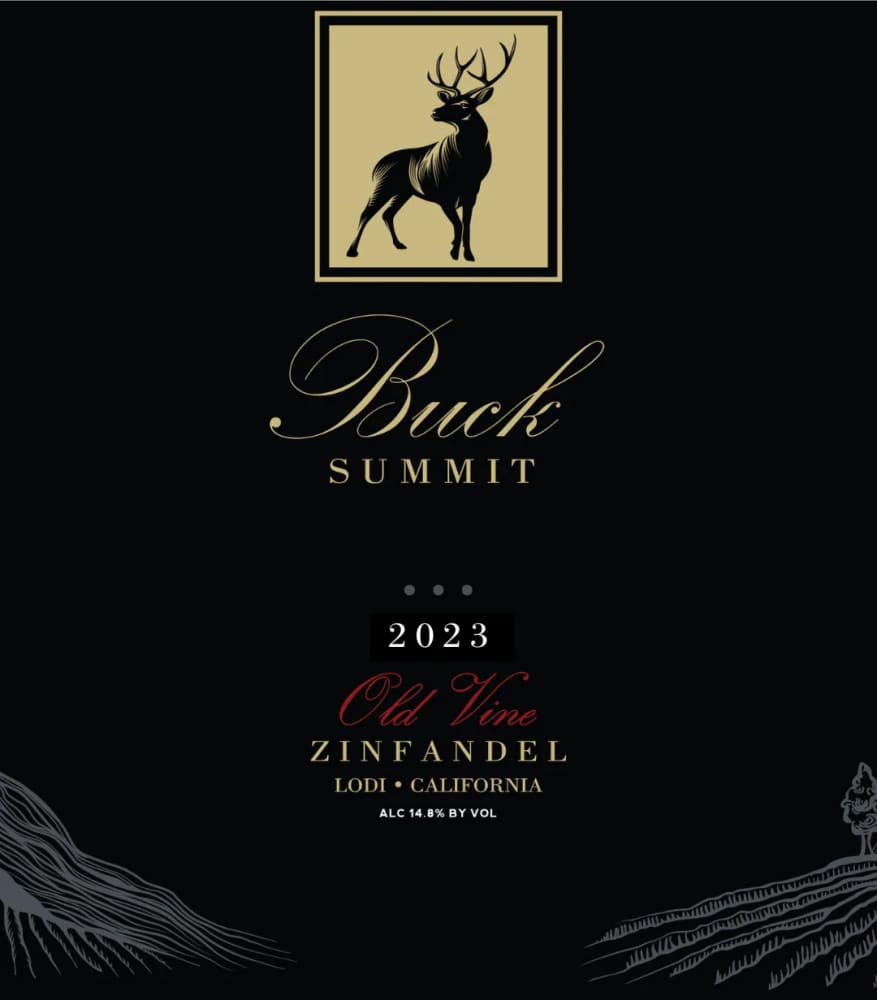
Finally, Zinfandel often finds its way into my recipes for its jammy fruitiness and peppery finish. It’s ideal for slow-cooked dishes, where it melds seamlessly with other flavors, creating a comforting and satisfying meal.
Choosing the Right Dry Red Wine for Sauces
For rich and flavorful sauces, I recommend opting for a Cabernet Sauvignon or a Merlot. These varietals provide depth and complexity that enhance the dish. Look for bottles with a good balance of acidity and tannins to achieve a well-rounded taste.
Syrah or Shiraz can also be excellent choices, particularly in hearty dishes like beef stew. Their bold flavors add a delightful kick, making the sauce more robust. If working with tomato-based sauces, a Chianti can elevate the acidity and complement the natural sweetness of the tomatoes.
When selecting a bottle, avoid overly fruity or sweet options, as they can overpower the dish. Aged wines often bring nuanced flavors that can enrich the overall taste profile. Always choose a wine you would enjoy drinking, as its quality directly impacts the final outcome of your sauce.
For everyday cooking, a good quality Pinot Noir can be versatile, working well in lighter sauces while still adding depth. If you’re making a classic Bolognese, a Barbera will enhance the richness without overwhelming the palate.
Ultimately, the key is to match the wine with the dish’s ingredients and desired flavor profile. Experimentation will lead to discovering the perfect pairing for your culinary creations.
Best Dry Red Wines for Marinating Meats
Cabernet Sauvignon stands out as an excellent choice for tenderizing and enhancing the flavors of beef, lamb, and game meats. Its robust tannins and rich fruit notes contribute to a deep, savory marinade. Merlot, with its softer profile, works wonders for pork and chicken, imparting a smooth texture and subtle sweetness.
Other Notable Options
Pinot Noir is ideal for delicate meats like duck and veal, offering a sophisticated, earthy flavor. Syrah, known for its peppery notes, complements hearty cuts and adds a spicy kick. Zinfandel, with its jammy profile, pairs well with grilled dishes, balancing sweetness and acidity.
| Wine Type | Best For | Flavor Profile |
|---|---|---|
| Cabernet Sauvignon | Beef, Lamb | Robust, Fruity |
| Merlot | Pork, Chicken | Smooth, Subtle Sweetness |
| Pinot Noir | Duck, Veal | Earthy, Sophisticated |
| Syrah | Hearty Cuts | Peppery, Spicy |
| Zinfandel | Grilled Dishes | Jammy, Balanced |
Choosing the right variety can elevate your dishes and create a memorable dining experience. The right selection not only enhances flavors but also aids in tenderizing the meat, making it more succulent and enjoyable.
Using Dry Red Wine in Pasta Dishes
Incorporating a full-bodied Cabernet Sauvignon or a spicy Syrah into your pasta recipes can elevate the flavors significantly. These varieties enhance tomato-based sauces, providing depth and richness. When making a marinara, I add a splash of Merlot to balance the acidity of the tomatoes, creating a smoother, more rounded sauce.
For creamy pasta dishes, consider a lighter option like Pinot Noir. Its subtle fruit notes complement the richness of cream sauces without overpowering them. I often use a Chianti for dishes featuring garlic and herbs, as its herbal undertones pair beautifully with these flavors.
When preparing a meat sauce, a blend of Sangiovese and Barbera offers a robust flavor profile that stands up to hearty ingredients like ground beef or sausage. This combination brings a savory complexity, enhancing every bite.
Incorporating wine into pasta dishes also requires attention to cooking time. Allow the alcohol to cook off, as this will concentrate the flavors while keeping the dish balanced. Adding the wine early in the cooking process lets it reduce and meld with other ingredients, creating an integrated taste experience.