Chuck Furuya

Begin with a bottle of your favorite robust beverage. Pour about a cup into a saucepan and bring it to a simmer. The goal is to concentrate the flavors, so keep an eye on it and stir occasionally to prevent burning.
Next, add finely chopped shallots or onions for sweetness and depth. As they soften, the aromas will fill your kitchen. Continue cooking until the liquid reduces by half, allowing the natural sugars to caramelize and create a rich base.
Enhance the mixture with a sprig of fresh thyme or rosemary. These herbs will infuse a fragrant essence that complements the dish beautifully. If desired, a tablespoon of balsamic vinegar can add a touch of acidity, balancing the sweetness.
Finish by whisking in a pat of cold butter to achieve a silky texture. This step adds richness and brings all the flavors together. Strain the sauce if you prefer a smoother consistency, and serve it drizzled over your perfectly cooked meat. This method transforms a simple dish into an extraordinary culinary experience.
Selecting the Right Red Wine for Your Reduction
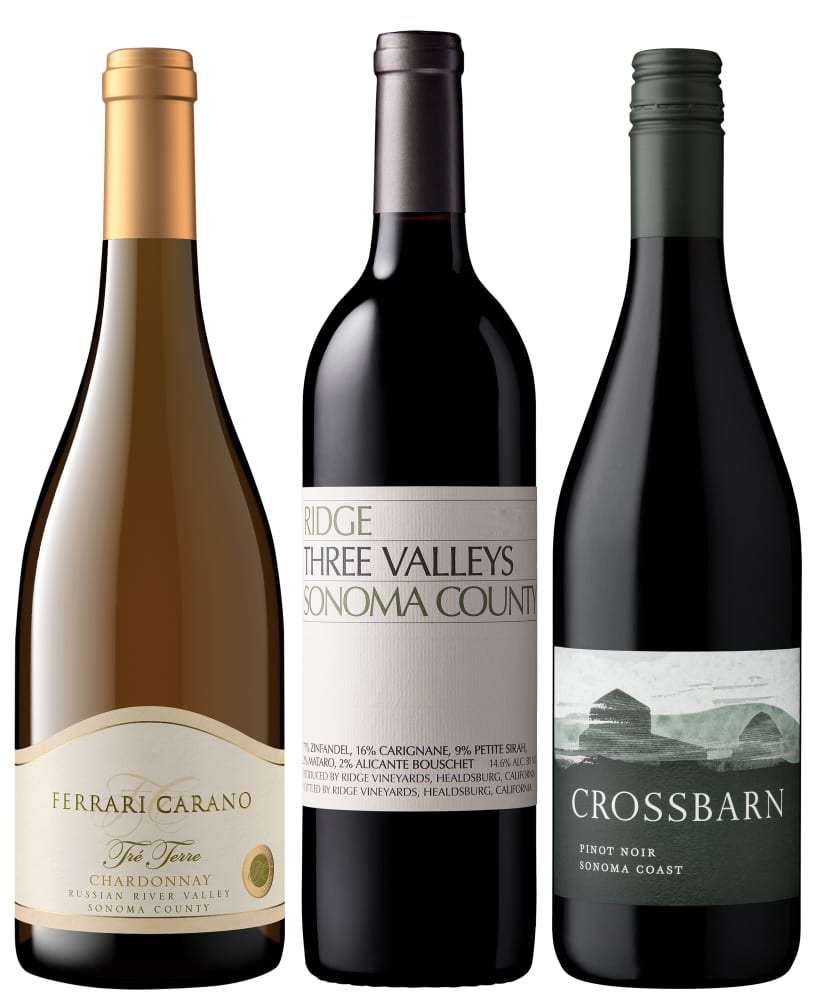
Opt for a full-bodied option such as Cabernet Sauvignon or Syrah. These varieties provide a robust flavor profile that complements the richness of the meat.
Considerations for Choosing
- Flavor Profile: Look for wines with dark fruit notes, such as blackberry or plum, which enhance the sauce’s depth.
- Acidity: A balanced acidity helps to cut through the richness of the dish, making the sauce more dynamic.
- Region: Wines from regions like Bordeaux or Napa Valley often have the complexity needed for a rich sauce.
- Age: Older wines may have more developed flavors but ensure they are still vibrant and not overly tannic.
Brands to Consider
- Robert Mondavi Cabernet Sauvignon
- Château Margaux
- Penfolds Grange
- Joseph Phelps Insignia
Always choose a wine that you enjoy drinking, as the flavors will intensify during cooking and directly impact the final result. Avoid cooking wines; they often lack the quality and flavor needed for an exceptional sauce.
Step-by-Step Process for Creating a Flavorful Sauce
First, gather ingredients: a bottle of your chosen varietal, shallots, fresh herbs, and a good quality stock. Begin by finely chopping the shallots.
Cooking the Aromatics
In a medium saucepan, melt a tablespoon of butter over medium heat. Add the chopped shallots and sauté until translucent, about 3-4 minutes. Stir occasionally to prevent browning.
Deglazing and Reducing
Once the shallots are ready, pour in approximately one cup of the chosen grape beverage. Increase the heat to medium-high, allowing the mixture to simmer. Scrape any browned bits from the bottom of the pan to enhance flavor.
Allow the mixture to reduce by half, which should take about 10-15 minutes. The sauce will thicken and concentrate in flavor.
| Ingredient | Amount |
|---|---|
| Shallots | 1 medium |
| Grape Beverage | 1 cup |
| Butter | 1 tablespoon |
| Stock | 1 cup (optional) |
Once reduced, add one cup of stock if desired. This adds depth and a layer of richness. Continue to simmer until the sauce achieves your preferred consistency.
Finish with fresh herbs, adjusting seasoning with salt and pepper to taste. The result will be a rich, aromatic accompaniment that perfectly complements your dish.
Pairing Your Reduction with Lamb Dishes
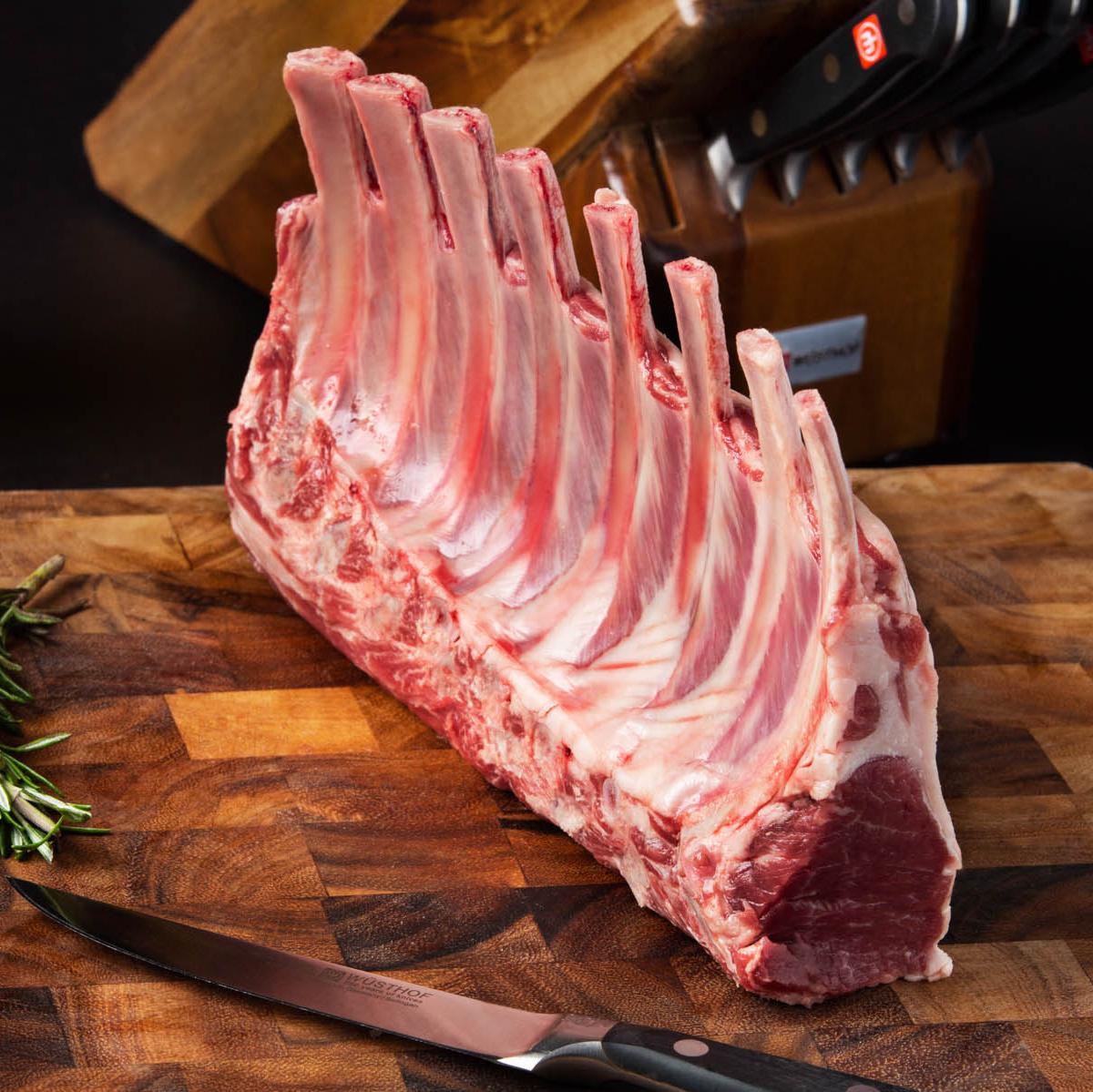
For optimal flavor harmony, consider serving your sauce with a herb-crusted leg of lamb. The aromatic herbs complement the richness of the meat, while the sauce enhances the savory notes.
Classic Combinations
Pairing with a garlic and rosemary marinade elevates the experience. The robust flavor profile of the sauce marries beautifully with the strong herbs, creating a delightful balance.
Side Dish Suggestions
Accompany the entrée with roasted root vegetables or creamy mashed potatoes. These sides absorb the sauce, amplifying each bite. A side of sautéed greens adds a refreshing contrast, cutting through the richness of the dish.