
 Chuck Furuya


I recommend exploring the Chardonnay varietal, which serves as the backbone of many exquisite selections from this renowned region. Known for its versatility, this grape produces everything from crisp and mineral-driven expressions to rich and creamy styles, showcasing a remarkable range of flavors.
Another noteworthy mention includes the Aligoté grape, often overshadowed by Chardonnay but deserving of attention. Aligoté offers a refreshing acidity and bright fruit notes, making it an excellent choice for those seeking a lighter, more zesty experience.
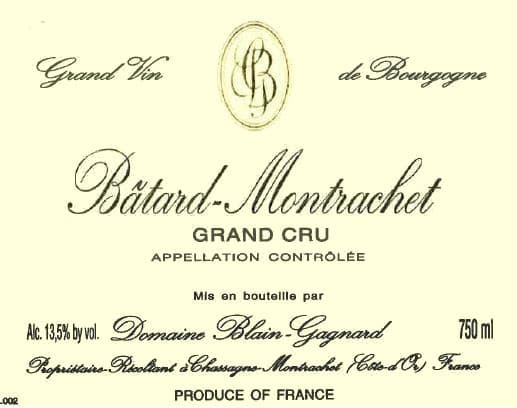
In addition to these prominent varieties, some producers experiment with lesser-known grapes, such as Sauvignon Blanc and Pinot Blanc. These options can add unique characteristics to blends, enhancing complexity and depth. Whether you’re a novice or a seasoned enthusiast, exploring these grape selections opens up a world of delightful possibilities.
The White Wines of Burgundy: Grape Varieties
Chardonnay tops the list for producing exceptional bottles in this renowned region. Its ability to express terroir makes it a favorite among winemakers and enthusiasts alike.
In addition to Chardonnay, Aligoté deserves attention. Often overshadowed, this variety offers a refreshing alternative with its crisp acidity and green apple notes, perfect for summer sipping.
Here’s a breakdown of key grape varieties:
- Chardonnay: Predominant, known for complexity and age-worthiness.
- Aligoté: Lively and zesty, often used in blends or enjoyed as a standalone.
- Sauvignon Blanc: Rarely found, yet some producers experiment with this grape for unique profiles.
When selecting bottles, consider the following:
- Look for regional classifications: Village, Premier Cru, and Grand Cru reflect quality levels.
- Explore different producers to understand stylistic variations.
- Pay attention to vintage, as climatic conditions greatly influence flavor development.
Each variety brings its own character, contributing to a diverse tasting experience. Whether savoring a classic Chardonnay or exploring Aligoté, there’s always a delightful discovery waiting.
Understanding Chardonnay’s Role in Burgundy
Chardonnay serves as the cornerstone for many exceptional vintages in this renowned region. Its versatility allows winemakers to produce a spectrum of styles, from crisp and mineral-driven to rich and buttery. The terroir influences the flavor profile significantly, leading to distinctive expressions across various appellations.
In Chablis, for instance, this varietal showcases a steely acidity and notes of green apple, reflecting the region’s limestone soils. Moving south to Côte de Beaune, one can find fuller-bodied interpretations with layers of peach, citrus, and oak influence, thanks to careful fermentation processes and aging in barrels.
When tasting Chardonnay, I focus on the balance between acidity and fruitiness. A well-crafted bottle will demonstrate a harmonious interplay, with minerality often taking center stage. Experimenting with food pairings, I discover that seafood, poultry, and creamy sauces enhance its characteristics beautifully.
Investing in bottles from reputable producers can yield impressive rewards. Notable names to consider include Domaine Leflaive and Joseph Drouhin, which are recognized for their commitment to quality and tradition. Whether enjoying a youthful version or an aged classic, Chardonnay remains an integral part of my exploration into the region’s offerings.
Characteristics of Burgundy’s Chardonnay Grapes
Chardonnay grapes showcase remarkable traits that contribute to their esteemed status in this renowned region. Here are some key characteristics:
- Flavor Profile: Ripe peaches, green apples, and citrus notes are prevalent, often complemented by hints of butter, vanilla, and toast due to oak aging.
- Acidity: High acidity levels provide a crisp and refreshing quality, balancing the richness often found in these varietals.
- Terroir Influence: The unique soils and climate of the area enhance minerality, imparting a distinct character that reflects the land.
- Aroma: Aromatic complexity evolves with age, revealing floral notes and deeper, more profound scents.
- Texture: A creamy mouthfeel results from malolactic fermentation and aging on lees, contributing to a luxurious drinking experience.
These attributes allow Chardonnay grapes to produce exceptional beverages that are both versatile and sophisticated, making them a favorite among enthusiasts and connoisseurs alike.
Other Minor Varieties in Burgundy
In addition to Chardonnay, several lesser-known varietals play a role in the production of exquisite beverages in this renowned region. These include Aligoté, Sauvignon Blanc, and Pinot Blanc, each offering distinct characteristics and flavors.
Aligoté
Aligoté stands out as a refreshing alternative to Chardonnay. It often exhibits a bright acidity with notes of green apple, citrus, and sometimes a hint of floral aroma. This grape is typically used to create crisp, lively options that pair well with seafood and light dishes. I recommend trying a classic Aligoté from Bouzeron for its vibrant profile.
Sauvignon Blanc
Sauvignon Blanc is less common but can be found in some areas, such as the Auxerrois. This varietal tends to present herbaceous and citrus notes, often reminiscent of gooseberry and grass. It offers a unique contrast to the more dominant Chardonnay and can be delightful when enjoyed young. Look for a bottle featuring a blend with Sauvignon Blanc to experience its refreshing qualities.
Pinot Blanc, while not as prevalent, also contributes to the diversity of this region. Known for its round mouthfeel and flavors of pear and almond, it is usually vinified in a way that emphasizes its smooth texture. It pairs beautifully with creamy dishes and can often surprise with its elegance.
These minor varietals not only enrich the selection available but also showcase the region’s ability to produce a range of styles that cater to different palates. Exploring these options can lead to delightful discoveries and a deeper appreciation of Burgundy’s vinous heritage.
Impact of Terroir on Grape Quality
Terroir significantly influences the characteristics of Chardonnay and other varieties cultivated in this renowned region. Factors such as soil composition, climate, and topography interact to shape the flavor profile and quality of the fruit produced.
Soil types, ranging from clay to limestone, contribute distinct mineral qualities that enhance the complexity of the juice. For instance, limestone-rich soils impart a crisp acidity and mineral backbone, while clay soils retain moisture, promoting balanced ripening. Understanding these interactions aids in selecting suitable vineyard sites for optimal grape cultivation.
Climate plays a pivotal role in determining the ripeness and flavor development of the fruit. The region experiences a continental climate with warm summers and cold winters, allowing for a prolonged growing season. This enables the grapes to achieve full phenolic ripeness, resulting in wines with depth and structure.
Topography also affects sunlight exposure and drainage, which are critical for grape maturation. Slopes can enhance sun exposure, leading to more concentrated flavors. Careful vineyard management, including pruning and canopy management, ensures that each site maximizes its potential based on its unique terroir characteristics.
In summary, the interplay of soil, climate, and topography creates a unique environment that directly impacts the quality of the harvested fruit, ultimately influencing the profile of the final product. Understanding these factors allows winemakers to harness the potential of each vineyard, resulting in exceptional offerings from the region.


