Chuck Furuya

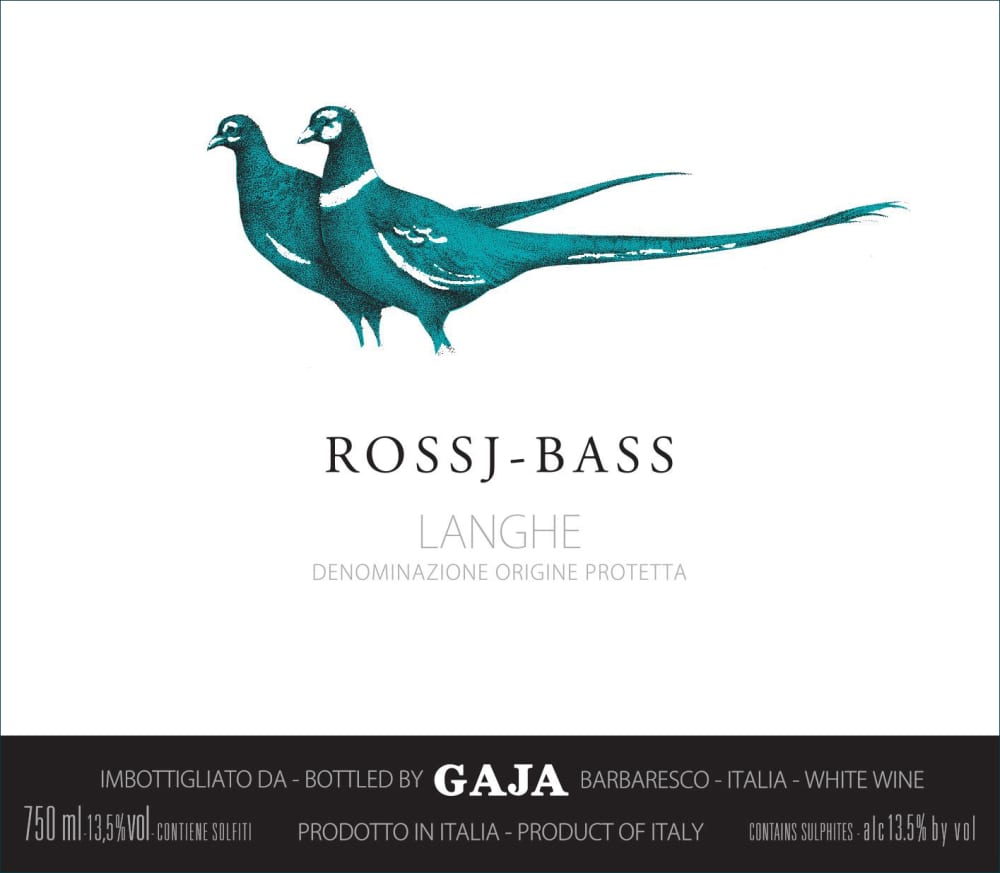
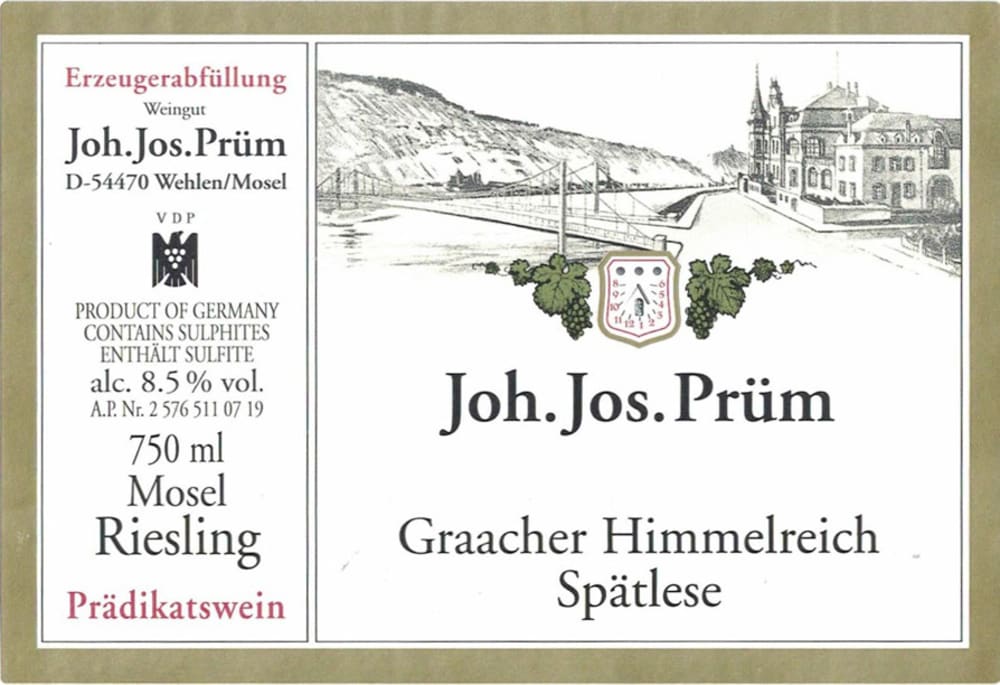

If you’re looking for refreshing options that can complement various dishes or simply be enjoyed on their own, consider exploring the diverse selections of light-hued beverages. Each type brings its own unique profile, from fruity and floral to crisp and mineral-driven. For an excellent pairing with seafood, a zesty Sauvignon Blanc is an optimal choice, with its bright acidity and herbaceous notes enhancing delicate flavors.
Chardonnay is another versatile option. Depending on its region and vinification method, it can range from buttery and oaky to clean and mineral. A well-chilled unoaked version pairs wonderfully with grilled chicken or creamy pasta dishes, while an aged counterpart can elevate richer meals like lobster or creamy risottos.
For those seeking something a bit more aromatic, consider a Riesling. This varietal offers a spectrum from dry to sweet, making it a fantastic companion to spicy cuisine. The natural sweetness and acidity of a well-balanced Riesling can harmonize beautifully with dishes like Thai curry or spicy Asian fare.

Finally, if you enjoy something with a bit more depth and complexity, a Pinot Grigio or a Grüner Veltliner might be the right fit. Both provide a refreshing palate experience while offering intriguing layers of flavor that can pair well with a variety of cheeses and charcuterie.
Exploring the Varieties of Pale Vintages
Chardonnay, Sauvignon Blanc, and Pinot Grigio are among the most popular choices for enthusiasts. Each offers distinct flavor profiles and characteristics.
Chardonnay
- Originates from Burgundy, France.
- Flavors range from apple and pear to tropical fruits, depending on the region and winemaking techniques.
- Often aged in oak, giving it buttery notes and vanilla nuances.
Sauvignon Blanc
- Notable for its high acidity and refreshing qualities.
- Commonly exhibits citrus, green apple, and herbaceous flavors.
- Regions such as Marlborough, New Zealand, and Sancerre, France, showcase its unique expressions.
Other noteworthy options include Riesling, known for its sweetness and aromatic profile, and Gewürztraminer, which offers exotic spices and floral notes. Exploring these selections can enhance any occasion, catering to diverse palates and preferences.
Understanding Different White Wine Grapes
Chardonnay stands out for its versatility, thriving in various climates and producing a range from crisp and fruity to rich and buttery. In cooler regions, expect notes of green apple and pear, while warmer areas yield tropical flavors like pineapple and mango.
Sauvignon Blanc is known for its zesty acidity and vibrant herbal characteristics. It often features citrus notes, especially lime and grapefruit, alongside green bell pepper and grassiness, making it refreshing and ideal for pairing with seafood.
Exploring Other Notable Varietals
Riesling is celebrated for its aromatic qualities and sweetness levels. From bone-dry to lusciously sweet, this grape showcases floral aromas, stone fruits, and honey. It pairs well with spicy dishes and rich flavors.
Pinot Grigio, particularly from Italy, delivers a light, crisp experience with notes of lemon, lime, and almond. Its refreshing nature makes it a favorite for warm weather and casual gatherings.
Diverse Regional Expressions
Gewürztraminer offers a unique profile with its pronounced spice and floral notes. Characterized by lychee, rose petal, and ginger, it’s excellent with Asian cuisine.
Viognier, often found in Rhône blends, presents a full-bodied texture and lush flavors of peach, apricot, and floral undertones, making it suitable for richer dishes.
Exploring Dry White Wines and Their Characteristics
To truly appreciate the allure of dry selections, I focus on a few standout varieties: Sauvignon Blanc, Chardonnay, and Pinot Grigio. Each offers a distinct profile that captivates the palate.
Sauvignon Blanc is renowned for its zesty acidity and vibrant flavors. Often showcasing notes of green apple, lime, and sometimes a hint of bell pepper, this varietal pairs beautifully with seafood and fresh salads. I recommend trying one from New Zealand for its bold character, or a Sancerre from France for a more mineral-driven experience.
Chardonnay can range from crisp and clean to rich and buttery, depending on the region and winemaking techniques. In regions like Burgundy, expect complex flavors of peach and hazelnut, while California offerings may present buttery notes along with tropical fruits. Enjoy an unoaked version for a refreshing sip, or indulge in an oaked style with creamy textures alongside roasted chicken or creamy pasta dishes.
Pinot Grigio, particularly from Italy, is light and refreshing, often featuring pear and citrus notes. This wine is perfect for warm weather and pairs well with light appetizers and seafood. For a slightly richer experience, consider a Pinot Gris from Alsace, where the wine tends to be more aromatic and fuller-bodied.
Each of these selections showcases unique traits that reflect their origins and vinification methods. Experimenting with food pairings enhances the tasting experience, revealing new dimensions in every sip.
Identifying Sweet White Wines: Types and Taste Profiles
For those who appreciate the lusciousness of sweet varieties, several distinct options stand out. Each type exhibits unique characteristics that can elevate any occasion.
The following table outlines popular selections along with their notable taste profiles:
| Type | Flavor Notes | Recommended Pairings |
|---|---|---|
| Riesling | Peach, apricot, honey, floral | Spicy Asian dishes, fruit desserts |
| Sauternes | Honey, caramel, stone fruit, nutty | Foie gras, blue cheese, tart desserts |
| Moscato | Citrus, peach, orange blossom | Light salads, fruity pastries |
| Tokaji | Apricot, orange marmalade, vanilla | Rich desserts, cheese platters |
| Gewürztraminer | Lychee, rose, spice | Middle Eastern cuisine, seafood |
Riesling is often praised for its balance of sweetness and acidity, making it versatile. Sauternes showcases complexity, frequently sourced from noble rot-affected grapes, ideal for pairings with rich foods. Moscato appeals for its lightness and effervescence, perfect for casual sipping. Tokaji, with its rich history, delivers concentrated flavors suitable for special occasions. Gewürztraminer offers a fragrant profile that pairs beautifully with a variety of cuisines.
Choosing a sweet option can enhance dining experiences or create memorable moments during celebrations. Understanding these profiles ensures every glass complements its setting perfectly.
Comparing Oaked vs. Unoaked White Wines
Choosing between oaked and unoaked options often depends on personal taste preferences. Oaked varieties typically exhibit richer, creamier textures and complex flavors, including notes of vanilla, butter, and spice due to the aging process in wooden barrels. Unoaked alternatives, on the other hand, emphasize the inherent characteristics of the grape, offering a fresher, crisper taste profile with bright acidity and fruit-forward flavors like citrus and green apple.
Flavor Profiles
Oaked selections often undergo malolactic fermentation, which softens acidity and adds buttery elements. This process enhances the wine’s mouthfeel and depth. Conversely, unoaked selections maintain higher acidity, showcasing the natural terroir and varietal expressions without the influence of wood. The result is a cleaner finish that highlights the grape’s freshness.
Food Pairings
When pairing with food, oaked options complement richer dishes such as creamy pastas, grilled seafood, and roasted poultry, where their texture and flavor complexity can shine. Unoaked varieties pair beautifully with lighter fare, including salads, seafood, and dishes featuring lemon or vinegar, where their acidity can provide balance and contrast.
In conclusion, the choice between oaked and unoaked selections ultimately boils down to whether you prefer a fuller-bodied experience or a refreshing, straightforward expression. Sampling both styles can enhance appreciation for the diversity found within the world of pale beverages.
Regional Differences in White Wine Styles
In my experience, the geographical origin significantly influences the characteristics of these beverages. For instance, wines from France often showcase a certain elegance and minerality, particularly those produced in *Chablis*, where the Chardonnay grape thrives in limestone soils, resulting in crisp acidity and vibrant citrus notes.
Moving to Italy, *Sauvignon Blanc* from *Friuli-Venezia Giulia* exhibits a distinctive herbal quality, often accompanied by stone fruit flavors. The *Verdicchio* variety from *Marche* stands out with its refreshing acidity and subtle almond finish, making it a perfect complement for seafood dishes.
In Germany, the *Riesling* grape is paramount, especially in regions like *Mosel*. Here, the cooler climate allows for long ripening periods, creating wines with pronounced floral aromas, stone fruit flavors, and a balanced sweetness. The *Trockene* styles offer a drier alternative, showcasing the grape’s versatility.
California has carved a niche with its rich, opulent Chardonnays, particularly from *Napa Valley*, where oak aging imparts buttery notes and vanilla nuances. Conversely, the *Russian River Valley* produces more restrained versions that emphasize bright acidity and fruit-forward profiles.
In Australia, the *Semillon* from *Hunter Valley* presents a unique profile with its waxy texture and aging potential, often developing complex flavors over time. On the other hand, *Margaret River* is known for its vibrant Sauvignon Blanc blends that are crisp and refreshing, perfect for warm climates.
Traveling to New Zealand, specifically *Marlborough*, the *Sauvignon Blanc* is celebrated for its zesty acidity and intense tropical fruit flavors. This region’s cool climate and long sunlight hours create wines that are aromatic and lively, setting a benchmark for this variety globally.
Understanding these regional distinctions allows me to appreciate the diverse styles and flavors, enhancing my tasting experience and food pairings. Each area imparts its unique terroir, making every sip a reflection of its origin.