Chuck Furuya
To ensure your selection aligns with a plant-based lifestyle, consider brands that specifically label their products as free from animal-derived fining agents. Look for options like Chardonnay from organic vineyards or Sauvignon Blanc produced with minimal intervention. These choices typically avoid the use of egg whites or gelatin during the clarification process.
Some notable labels to explore include Frey Vineyards, known for its commitment to organic practices, and Bonterra, which offers a range of options crafted without animal products. Additionally, La Crema has been recognized for its transparent labeling, making it easier to identify suitable choices.
Visiting local wineries that prioritize sustainable practices can also yield excellent selections. Many small producers embrace eco-friendly methods and often share their fining processes openly, allowing for informed decisions. Be sure to inquire about their methods directly to confirm compatibility with your dietary preferences.
Choosing Plant-Based Options in Wines
Several options in the realm of light beverages are suitable for those avoiding animal products. Here are some notable selections:
- Sauvignon Blanc: Many producers craft this varietal without animal-derived fining agents. Look for labels that specify plant-based practices.
- Chardonnay: Opt for organic or biodynamic versions, as they often utilize natural clarification methods, ensuring no animal products are involved.
- Pinto Grigio: This Italian favorite frequently adheres to vegan-friendly practices. Research brands committed to ethical production.
- Riesling: Many producers in Germany and the Alsace region focus on sustainable methods, making this a viable choice.
Check wine labels for terms like “unfined” or “unfiltered,” which indicate the absence of animal-derived agents. Additionally, some apps and websites provide comprehensive lists of suitable beverages, aiding in informed choices.
Exploring local vineyards can also yield delightful options. Wineries that prioritize sustainability often share their practices, ensuring transparency in their production methods.
Identifying Vegan-Friendly White Wine Brands
I recommend checking out brands like Frey Vineyards, which is known for its organic and plant-based selections. Their commitment to sustainability aligns with vegan principles, making them a reliable choice.
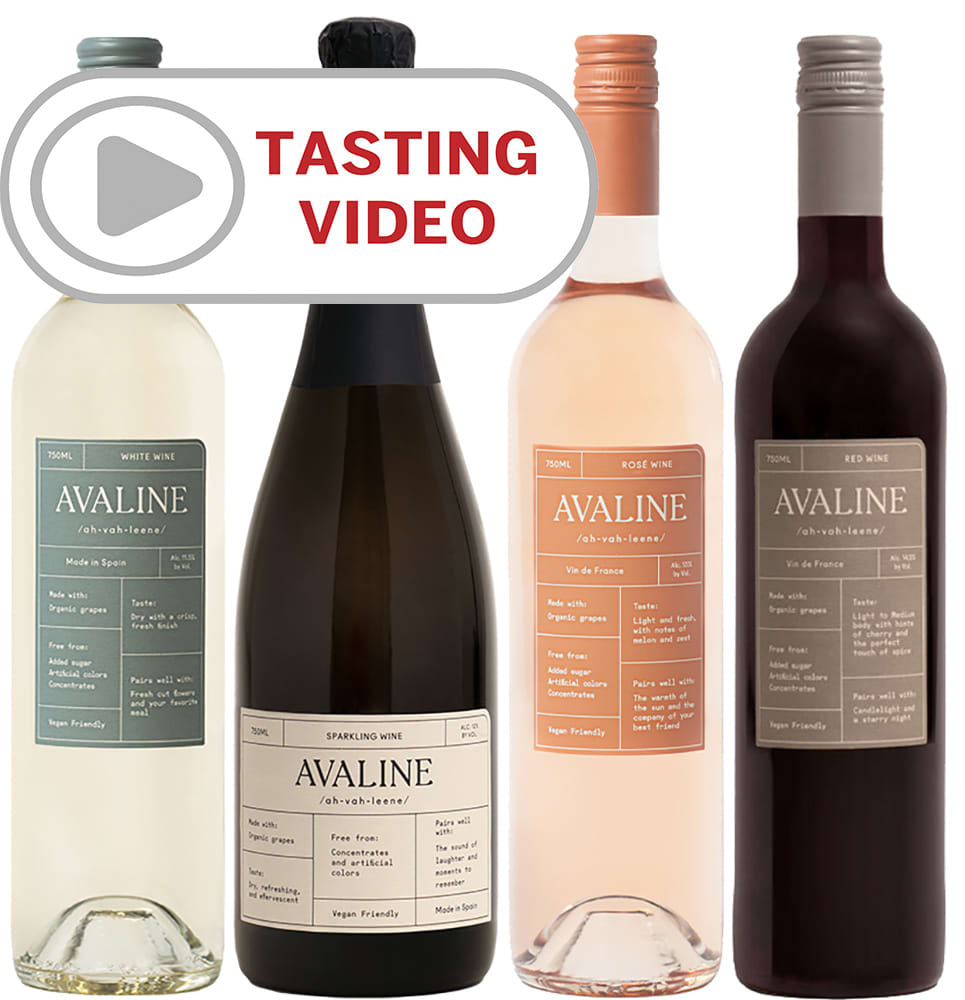
Château de Pizay offers a range of options produced without animal-derived fining agents. Their wines are crafted in the Beaujolais region, providing quality and ethical considerations.
Another excellent option is Bonterra Organic Vineyards, producing wines that are both organic and suitable for those avoiding animal products. They emphasize eco-friendly practices throughout their production.
Additionally, Steele Wines ensures that their offerings are free from animal-derived ingredients, allowing for a guilt-free experience while enjoying their varietals.
For sparkling varieties, La Marca Prosecco is a delightful choice, as it adheres to vegan standards without compromising on flavor.
Pacific Rim Winemakers also prioritize vegan-friendly practices, producing a variety of aromatic and refreshing options from the Pacific Northwest.
Lastly, always check labels or consult brand websites, as many producers are increasingly transparent about their ingredients and production methods. This way, I can enjoy a glass of my favorite beverage without any concerns.
Understanding Production Ingredients and Processes
To choose a suitable bottle, it’s crucial to know the components involved in the creation of this drink. The primary ingredients include grapes, water, and yeasts. However, the clarification process often introduces other substances, some of which may not align with a plant-based lifestyle.
Clarification Agents
During production, various agents can be used to clarify and stabilize the liquid. Common options include:
| Agent | Source | Vegan Status |
|---|---|---|
| Gelatin | Animal Collagen | Non-Vegan |
| Isinglass | Fish Bladder | Non-Vegan |
| Egg Whites | Eggs | Non-Vegan |
| Bentonite Clay | Mineral | Vegan |
| Pea Protein | Plant | Vegan |
Fermentation Process
The fermentation phase is where yeast converts sugars into alcohol. This process typically remains free from animal-derived additives. However, post-fermentation treatments may introduce non-plant-based materials, affecting the final product’s compatibility with a plant-based diet.
Researching brands and understanding their production methods is essential for making informed choices. Always check for specific labels or inquire directly with producers about their use of fining agents to ensure the product aligns with your values.