Chuck Furuya

If you find yourself without a pale vintage while preparing a dish, there’s good news. Opting for a darker option is not a deal-breaker. The key lies in understanding the flavor profile of your meal and the characteristics of the alternative. This swap can yield delicious results when done thoughtfully.
In many cases, the fruity notes in a crimson variety can complement the dish, especially in savory recipes. For instance, if the original suggestion highlights citrus or herbaceous elements, a robust alternative can enhance these flavors. However, keep in mind that the tannins in darker varieties may impact the overall taste, so adjusting seasonings and cooking times can be beneficial.
When making this substitution, consider the dish’s acidity and sweetness. A heavier option may require a touch of sugar or a splash of vinegar to balance the palate. Experimenting with a small amount at first allows you to fine-tune the dish to your liking. Remember, cooking is as much about creativity as it is about following guidelines.
Can I Substitute Red Wine for White Wine in Cooking?
Yes, I often swap red for the pale version in various culinary applications. However, I keep a few factors in mind to ensure the dish retains its intended flavor profile.
Flavor Considerations
- Red tends to have bolder and richer flavors compared to the lighter, crisper notes of its counterpart.
- In dishes where acidity plays a key role, I adjust by adding a splash of vinegar or lemon juice to balance the taste.
- For sauces, I find that the depth of red can enhance the overall richness, particularly in meat-based dishes.
Color Impact
- Be aware that using a darker varietal will alter the appearance of the dish, especially in lighter sauces or seafood preparations.
- In some recipes, the visual aspect is significant, and a darker hue might not be desirable.
In summary, substituting can work well, but I adjust additional ingredients to maintain harmony in the dish. Experimentation is key, and I enjoy discovering new flavor combinations through these substitutions.
Understanding the Flavor Profiles of White and Red Wine
When substituting, I find it vital to grasp the distinct flavor characteristics. Typically, lighter varieties exhibit crispness, acidity, and fruit-forward profiles, making them suitable for enhancing delicate dishes. In contrast, deeper selections often bring bold tannins, richer fruit flavors, and earthy undertones, which can overpower subtle ingredients.
For dishes featuring creamy sauces or seafood, a lighter choice often complements these elements, while heartier meals like stews or grilled meats respond well to the robustness of a darker option. The acidity in lighter selections can also serve to balance richness in certain recipes, while the tannins in darker varieties add depth and complexity.
It’s beneficial to consider the overall seasoning and cooking techniques used in your dish. If the recipe includes herbs or spices that lean towards bright or citrusy notes, a lighter option will usually harmonize better. Conversely, savory or smoky flavors often align with bolder selections, enhancing the overall flavor experience.
In conclusion, understanding these profiles allows me to make informed choices, ensuring the final dish resonates with the intended flavor combination. Experimentation can also lead to unexpected and delightful outcomes, so I encourage trying variations while being mindful of the inherent characteristics of each type.
Common Dishes That Call for White Wine
Many classic preparations incorporate a lighter fermented beverage for acidity and depth. Here are some dishes where this ingredient shines:
| Dish | Purpose of Inclusion |
|---|---|
| Chicken Piccata | Adds brightness and balances the richness of butter and capers. |
| Risotto | Enhances creaminess while contributing a subtle fruity note. |
| Seafood Pasta | Provides a refreshing contrast to the flavors of shellfish and tomato. |
| Clam Chowder | Increases the overall complexity of flavors, complementing the seafood. |
| Vegetable Stir-Fry | Offers a light acidity that enhances the freshness of the vegetables. |
| Beurre Blanc Sauce | Imparts a delicate flavor, perfect for pairing with fish and poultry. |
| Mussels in Garlic Sauce | Infuses a fragrant quality, melding with garlic and herbs. |
In these examples, the addition of a lighter beverage can elevate the dish’s profile, making it more aromatic and enjoyable. Adjustments can be made depending on personal taste preferences or availability.
Flavors and Aromas: How Red Differs from White
The primary distinction between these two types is rooted in their composition and fermentation methods. While the former typically features bold flavors such as dark fruits, spices, and earthy notes, the latter often showcases lighter profiles like citrus, floral, and herbal characteristics.
When substituting, consider the intensity of the dish. Hearty meals, like beef stew or rich pasta sauces, pair better with the robust qualities of darker varieties, while lighter fare, such as seafood and poultry, might be overwhelmed by these stronger flavors.
Aroma Profiles
Aromas play a significant role in how each variety enhances a culinary experience. Darker varieties often exhibit scents of blackberry, plum, and pepper, which can add depth to dishes. In contrast, lighter options might present notes of apple, pear, and honeysuckle, offering a refreshing brightness.
Flavor Pairing Table
| Dishes | Suggested Pairings |
|---|---|
| Seafood | Light whites with citrus notes |
| Poultry | Floral whites for subtle enhancement |
| Beef | Bold reds for richness |
| Pasta with Tomato Sauce | Fruity reds for balance |
| Vegetable Dishes | Herbaceous whites for freshness |
In conclusion, understanding these flavor nuances can significantly impact the overall outcome of a dish. Choose wisely based on the ingredients and desired intensity to achieve the best culinary results.
When Substituting Red for White: Best Practices
If you’re considering a switch from a pale to a darker option, it’s crucial to keep a few guidelines in mind to ensure a successful transition in your culinary endeavors.
Choose Wisely
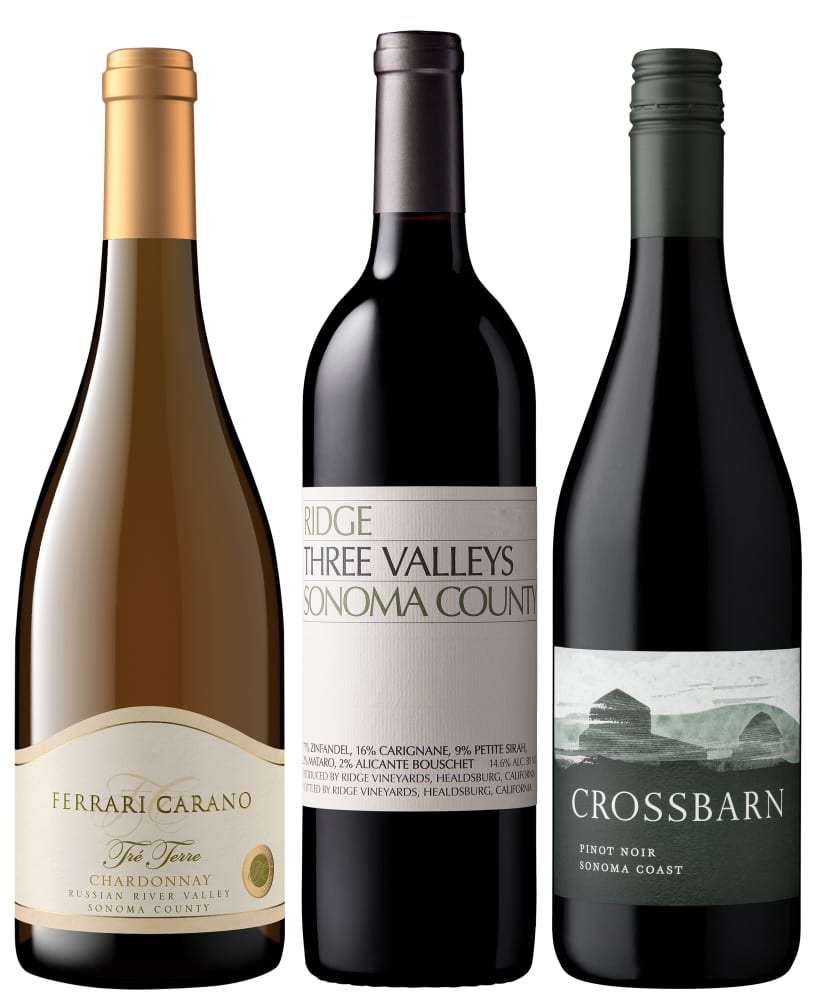
Select a varietal that complements your dish. Look for lighter-bodied reds, such as Pinot Noir or Grenache, to mimic the acidity levels of the original choice. Heavier reds like Cabernet Sauvignon might overwhelm the dish.
Adjust Cooking Time and Temperature
The cooking process differs slightly. Red varieties often require longer cooking times to mellow their flavors, especially in sauces. Consider reducing the heat to avoid bitterness and allow for a smoother integration into the dish.
- For sauces, simmer longer to achieve a balanced flavor.
- For deglazing, add the darker option slowly to control the intensity.
- In braises, incorporate it earlier to infuse the meat with richness.
Remember, balancing flavors is key. If the dish feels too robust, a splash of lemon juice or vinegar can help brighten it up. Experimenting with herbs and spices will also assist in maintaining the intended flavor profile. Happy cooking!