Chuck Furuya

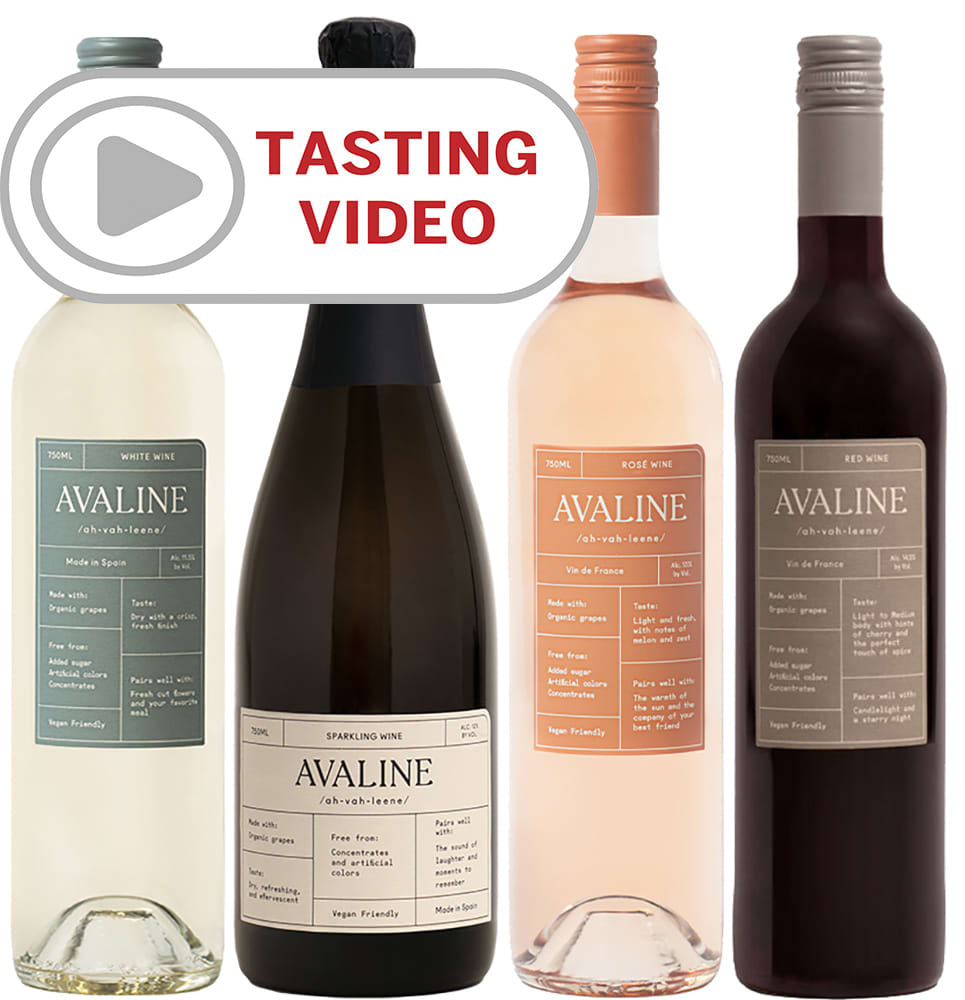
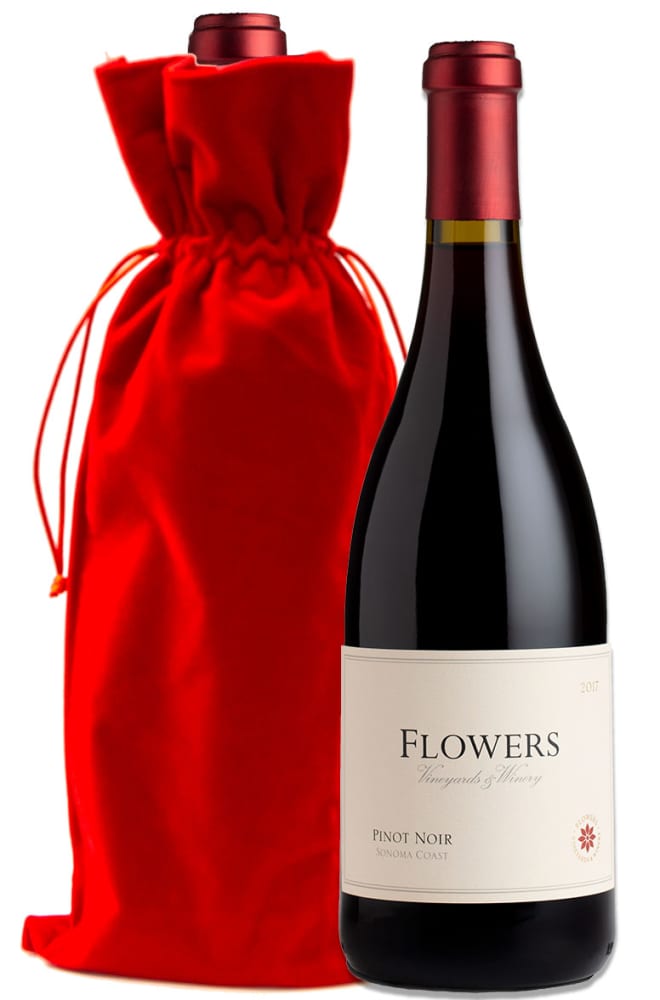
For an exceptional experience, I recommend exploring a Provençal rosé. These wines are renowned for their delicate balance of fruit and acidity, often showcasing notes of strawberry, peach, and citrus. A standout example is Château d’Esclans Whispering Angel, which offers a refined profile perfect for warm weather.
If you’re seeking something with a hint of complexity, consider a Spanish rosado, particularly those from the Navarra region. They typically blend Tempranillo with Garnacha, resulting in a fuller body and richer flavors. Look out for Borsao Garnacha, which delivers a delightful mix of cherry and floral undertones.
For a unique twist, I suggest trying a sparkling rosé. A bottle of Ruinart Rosé Champagne will not disappoint, providing a luxurious effervescence with notes of red berries and a crisp finish. It’s ideal for celebrations or pairing with seafood dishes.
Understanding Different Styles of Rosé Wine
Provence-style is a classic choice, characterized by its pale hue and light, crisp profile. I recommend trying a bottle from this region for its refreshing notes of strawberry and watermelon, making it perfect for warm weather.
For a richer experience, consider a Tavel from France. This variety offers deeper color and robust flavors, often with hints of raspberry and herbs. It pairs well with grilled meats and hearty dishes.
Spanish rosados can also be intriguing. These wines, often made from Garnacha, tend to have a fuller body and fruity intensity, with flavors of cherry and citrus. They are versatile and work well with tapas.
For those who enjoy something unique, look into White Zinfandel. This sweeter version delivers a delightful balance of fruitiness and acidity, appealing to those who prefer a softer palate.
Lastly, don’t overlook sparkling options like Prosecco Rosé. This bubbly choice adds a festive touch, with its effervescence enhancing the fruitiness and making it ideal for celebrations.
- Provence-style: Light, crisp, refreshing.
- Tavel: Richer, deeper flavors, pairs with hearty dishes.
- Spanish rosados: Fruity intensity, versatile with tapas.
- White Zinfandel: Sweet, soft palate.
- Prosecco Rosé: Sparkling, festive, ideal for celebrations.
Key Grapes Used in Rosé Production
Grenache stands out as a primary varietal for producing a flavorful and aromatic pink drink. Its ability to produce a range of styles, from light and fruity to bold and spicy, makes it a favorite among winemakers. Look for bottles that highlight its red berry notes, complemented by hints of citrus and herbal nuances.
Sangiovese, predominantly associated with Italian blends, contributes bright acidity and cherry flavors. This grape often provides a refreshing quality, making it perfect for warm-weather enjoyment. When selecting a bottle, seek out those that showcase its earthy undertones, adding depth to the overall profile.
Syrah, known for its robust character, brings dark fruit flavors and a touch of peppery spice. This varietal can create more structured versions of a pink drink, often with a fuller body. Seek options that balance its richness with acidity for a well-rounded experience.
Tempranillo, a staple in Spanish winemaking, offers floral notes and ripe plum characteristics. Its versatility allows for both light and more complex interpretations. Opt for selections that emphasize its bright fruitiness, along with subtle oak influences, for a delightful tasting experience.
Cabernet Sauvignon, while typically associated with bold reds, can also shine in the realm of pink beverages. It imparts dark fruit flavors and a touch of tannin, resulting in a richer style. Look for expressions that balance its strength with refreshing acidity, creating a harmonious blend.
Lastly, Mourvèdre often finds its way into blends, providing savory and earthy elements. Its contribution adds complexity and depth, making it a valuable addition. Choose bottles that highlight its unique profile, as it can elevate the overall tasting experience.
Regions Known for Quality Rosé Wines
Provence stands out as a premier area for exceptional blush beverages, celebrated for its pale hues and aromatic profiles. The unique terroir, characterized by Mediterranean climate and diverse soils, contributes to the elegance of these drinks. Notable producers like Château d’Esclans and Domaines Ott consistently deliver outstanding options.
California, particularly the Central Coast, has gained recognition for its innovative approaches. Regions such as Paso Robles and Santa Barbara produce expressions that range from crisp and fruity to rich and complex. Local varietals like Grenache and Syrah flourish here, creating exciting blends that appeal to various palates.
Spain’s Navarra region showcases a long-standing tradition of crafting delightful pink libations. Known for its Garnacha grapes, Navarra’s offerings are often vibrant and fruit-forward, making them crowd-pleasers. Bodegas like Chivite are renowned for their quality and consistency.
Italy’s Tuscany region also deserves attention, especially for its Sangiovese-based interpretations. These creations often exhibit a balance of acidity and fruitiness, making them versatile companions for food. Wineries such as Castello di Ama are notable for their refined versions.
Finally, Australia, particularly the Adelaide Hills and Margaret River, has begun to carve out a niche with its modern takes on this style. The cooler climate in these areas allows for the production of refreshing and aromatic selections, with wineries like Pizzini and Leeuwin Estate leading the charge.
How to Choose Rosé Based on Flavor Profiles
For a satisfying experience, consider these flavor profiles when selecting a pink drink:
- Fruity and Sweet: Opt for options from regions like California or Provence. Look for notes of strawberries, raspberries, or watermelon. These are perfect for warm days and pairs well with light salads or seafood.
- Citrus and Herbal: Choose selections featuring lemon, lime, or herbal undertones. Wines from Spain often showcase these characteristics, making them great companions for Mediterranean dishes or grilled vegetables.
- Floral and Aromatic: Seek out bottles with hints of rose petals or jasmine. These wines are often found in regions like Alsace and pair beautifully with spicy Asian cuisine or dishes with rich sauces.
- Mineral and Crisp: Look for those with a refreshing finish and minerality, often produced in cooler climates like Oregon. These will complement shellfish or dishes with a touch of acidity.
- Rich and Full-bodied: If you prefer a more robust flavor, select wines with darker fruit notes and a fuller body. Options from the southern Rhône or heavier styles from Australia can provide depth, pairing well with grilled meats or hearty pasta dishes.
By aligning personal preferences with these flavor profiles, selecting an enjoyable option becomes straightforward and rewarding.
Best Food Pairings for Rosé Wines
Charcuterie boards are an excellent match. The combination of cured meats, cheeses, olives, and nuts complements the fruity notes found in many pink wines. Try prosciutto with a dry variant for an irresistible contrast.
Seafood Selections
Shellfish is a classic pairing. Oysters and shrimp cocktail enhance the crispness and acidity of the beverage. Grilled fish, especially salmon or tuna, also works wonderfully, especially when seasoned with herbs.
Vegetarian Options
- Salads with fresh ingredients, like arugula, tomatoes, and feta, are refreshing companions.
- Roasted vegetables, particularly peppers and zucchini, bring out the wine’s floral notes.
- Pasta dishes with light sauces, such as pesto or lemon, complement the wine’s profile nicely.
For a unique twist, consider spicy Asian cuisine, such as Thai or Indian dishes, where the slight sweetness of the drink balances the heat and complexity of the flavors.
Don’t overlook desserts! Light fruit tarts or sorbets can be delightful partners, especially with sparkling varieties. The acidity cuts through sweetness, creating a harmonious experience.
Tips for Serving and Storing Rosé
Chill this delightful beverage between 45°F and 55°F (7°C to 13°C) for optimal enjoyment. Use an ice bucket filled with half ice and half water for quick cooling before serving. Avoid serving it too cold, as this can mask its flavors.
Serving Recommendations
Pour into tulip-shaped glasses to enhance aromas, allowing the bouquet to fully express itself. Aim for a 4 to 6 ounce pour, which provides enough surface area for the wine to breathe while keeping it at an ideal temperature. Always serve in clean, dry glasses to prevent any unwanted flavors.
Storage Guidelines
Store bottles upright in a cool, dark place, away from direct sunlight and temperature fluctuations. A consistent temperature of around 55°F (13°C) works well. Consume within two years of purchase for optimal freshness, although some varieties can age longer. If opened, enjoy within three to five days; re-cork and refrigerate to maintain quality.