Chuck Furuya

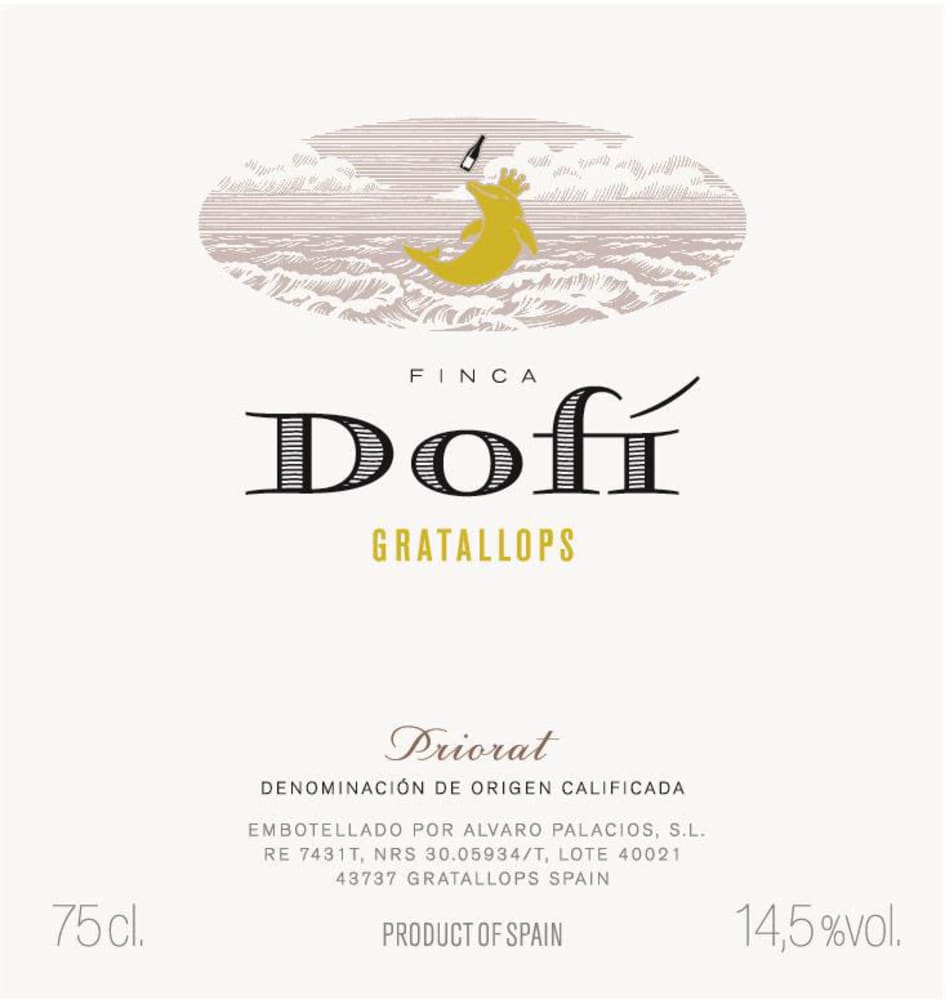
To achieve a delightful pink beverage, begin with red grapes. Carefully select varieties that impart fresh fruit flavors, such as Grenache or Sangiovese. The key lies in the maceration process; allow the crushed grapes to soak with their skins for a brief period, typically between two to twenty-four hours, depending on the desired hue and flavor intensity.
During maceration, monitor the color closely. Once the preferred shade is reached, separate the juice from the skins using pressing methods. This step is crucial, as it influences the final profile of the drink. Afterward, fermentation can commence, ideally at cooler temperatures to preserve the aromatic qualities.
In terms of fermentation, utilizing stainless steel tanks helps maintain freshness, while oak barrels may impart additional complexity. After fermentation, a careful racking process eliminates sediment and enhances clarity. Finally, prior to bottling, blending different batches can create a harmonious balance of flavors.
Choosing the Right Grapes for Rosé Wine
Opt for varietals with balanced acidity and fruit-forward profiles. Grenache, Syrah, and Mourvèdre are excellent choices, offering bright flavors and refreshing characteristics. Consider Pinot Noir for its elegance and complexity, while Sangiovese adds a touch of earthiness and cherry notes.
Harvest timing plays a significant role. Grapes should be picked early to maintain acidity, which contributes to the final product’s freshness. Monitor sugar levels closely; aim for a balance that allows for vibrant expression without overwhelming sweetness.
Skin contact duration influences color and flavor extraction. Short maceration periods yield lighter hues, while extended contact creates deeper shades and richer profiles. Experiment with different techniques to find the desired outcome.
Terroir greatly impacts grape characteristics. Regions with a cooler climate often produce grapes with higher acidity, enhancing the crispness of the finished product. Seek out regions known for high-quality fruit to ensure exceptional results.
Organic or sustainably grown grapes are preferable, as they typically reflect terroir more authentically. Prioritize vineyards that practice responsible farming methods, as these factors contribute to the overall quality and integrity of the final blend.
Understanding the Different Methods of Rosé Wine Production
Choosing between direct pressing, saignée, and blending techniques is critical for achieving the desired character in a pink beverage. Direct pressing involves crushing grapes and gently pressing them to extract juice, allowing minimal skin contact for a lighter hue. This method is preferred for its clean flavors and aromatic qualities.
The saignée technique, translating to “bleeding” in French, uses the juice released from red grape fermentation. By removing a portion of the must, the remaining liquid becomes more concentrated. This approach enhances both the resulting rosé and the red wine, creating depth and complexity.
Blending involves mixing red and white varieties to achieve the desired color and flavor profile. While less common and often seen as a shortcut, this method can produce unique results when executed thoughtfully. It requires a keen understanding of both varietals to ensure balance.
Each technique offers distinct advantages, impacting the flavor, aroma, and appearance. Experimenting with these methods provides opportunities to create a personal signature in crafting exquisite pink beverages. Consideration of grape varieties, climate, and fermentation practices further enhances the creative process, leading to diverse and appealing outcomes.
Harvesting Grapes at the Optimal Time
To achieve the desired flavor profile in a pink beverage, timing is everything. Grapes should be harvested when they reach the perfect balance of acidity and sugar, typically measured by the Brix scale. Aim for a Brix level between 20 and 24, depending on the grape variety.
Monitoring the grapes closely as they ripen is crucial. Regular sampling allows for assessing taste, texture, and sugar levels. A taste test should reveal a balance of sweetness and acidity, signaling readiness for picking.
Factors influencing the ideal harvest time include climate conditions, vineyard location, and grape variety. For instance, warmer climates may accelerate ripening, necessitating earlier harvesting. Conversely, cooler regions may extend the growing season, allowing for a later pick.
Weather also plays a significant role. Rainfall prior to harvest can dilute sugars and alter acidity, impacting the final product. Therefore, it’s wise to monitor forecasts and plan accordingly.
Below is a table summarizing key indicators for optimal grape harvesting:
| Indicator | Optimal Range |
|---|---|
| Brix Level | 20-24 |
| pH Level | 3.1-3.4 |
| Acidity (TA) | 0.5-0.8 g/100mL |
| Taste Profile | Balanced sweetness and acidity |
Harvesting at the right moment ensures the best flavor development and aromatic expression. Balancing sugar and acidity will lead to a more enjoyable beverage, enhancing overall quality.
Crushing and Destemming Techniques for Rose Wine
Utilizing a gentle approach during the crushing and destemming process significantly influences the final product. I prefer to employ a method that minimizes skin contact to maintain the desired light color and fresh flavors. Mechanical crushers with adjustable pressure settings allow for optimal extraction without breaking the skins excessively.
Destemming Methods
Efficient destemming is crucial to avoid unwanted tannins from stems. I often choose a mechanical destemmer equipped with a vibrating mechanism, ensuring that only ripe berries proceed to the next stage. Hand destemming, though labor-intensive, provides greater control, allowing for the selection of grapes at their peak ripeness while discarding any that are overripe or damaged.
Crushing Techniques
For crushing, I utilize a light touch. The goal is to break the skins just enough to release juice while preserving the integrity of the fruit. A common technique is to use a roller crusher, where the rollers are adjusted to create minimal pressure. This method guarantees a higher quality juice with fewer phenolic compounds.
After crushing, immediate pressing is essential to separate the juice from the skins. A pneumatic press offers gentle pressing, yielding a clean, bright juice that is perfect for fermentation. Maintaining cool temperatures during this process helps to retain the aromatic compounds that define the character of this delicate beverage.
In summary, careful attention to crushing and destemming techniques ensures a superior product, allowing the natural qualities of the grapes to shine through in the final blend.
Managing Fermentation Temperature for Ideal Flavor
Maintaining a fermentation temperature between 55°F and 65°F (13°C to 18°C) is essential for achieving the desired aromatic profile in this particular style of vinification.
Here are specific temperature management strategies:
- Use temperature-controlled fermentation tanks to maintain consistency.
- Monitor the temperature regularly with accurate thermometers.
- Adjust cooling jackets or systems as needed to prevent overheating.
- Consider the grape variety; some may require slightly higher or lower temperatures for optimal flavor extraction.
During the initial fermentation phase, a lower temperature can enhance the retention of delicate fruit aromas. As fermentation progresses, gradually increasing the temperature to around 70°F (21°C) can encourage the development of more complex flavors.
Be mindful of the yeast strain selected; certain yeasts perform better at specific temperatures and can significantly influence flavor outcomes. Regularly tasting the fermenting juice can provide insights into how temperature adjustments affect flavor development.
In summary, precise temperature management during fermentation is key to crafting a balanced and aromatic final product. Regular monitoring and adjustments based on the specific conditions and grape characteristics will yield the most favorable results.
Clarifying and Filtering the Wine Before Bottling
To achieve a clear and polished finish, clarification and filtration of the beverage are critical steps. After fermentation, the liquid often contains suspended particles, which can result in cloudiness if not addressed.
The first method involves racking, which means transferring the liquid from one container to another, leaving sediment behind. This process should be done carefully to avoid introducing oxygen. A siphon or racking cane is recommended for minimizing disturbance of the lees.
Following racking, fining agents can be employed to assist in the clarification process. Common agents include:
- Bentonite: A clay that binds to particles and helps them settle.
- Isinglass: A fish-derived product effective in clearing the liquid.
- Gelatin: A protein that aids in removing excess tannins and proteins.
Once fining agents are added, gentle stirring is necessary to ensure even distribution. Allow sufficient time for the agents to work, typically a few days to a week, depending on the chosen material.
After settling, the beverage can undergo filtration. This step is particularly valuable for achieving clarity and stability. Different types of filters can be used:
- Pad Filters: Suitable for larger volumes, providing a fine filtration.
- Cartridge Filters: Easy to use and replace, ideal for smaller batches.
- Crossflow Filters: Effective for maintaining flavor and aroma while removing particulates.
Post-filtration, a final inspection for clarity is essential. If any cloudiness persists, additional fining or filtration may be required. Once satisfied with the appearance, the liquid is ready for bottling.
FAQ:
What grapes are typically used to make rosé wine?
Rosé wine can be made from a variety of grape types, but some of the most common include Grenache, Sangiovese, Syrah, and Pinot Noir. These grapes can impart different flavors and characteristics to the wine, ranging from fruity and floral to more earthy and spicy notes. The choice of grape often depends on the region and the specific style of rosé being produced.
What are the main methods for producing rosé wine?
There are three primary methods for making rosé wine: direct pressing, saignée, and maceration. In direct pressing, red grapes are crushed and the juice is separated from the skins right away, resulting in a lighter color. The saignée method involves bleeding off some of the juice from a red wine fermentation, which concentrates the remaining wine. Maceration allows the juice to stay in contact with the skins for a limited time, usually a few hours to a couple of days, to achieve the desired color and flavor profile before the skins are removed.
How does the fermentation process for rosé differ from red and white wines?
The fermentation process for rosé is similar to that of red wines but differs in the duration of skin contact. In red wine production, the skins are left in contact with the juice for an extended period, which extracts more tannins and color. White wines, on the other hand, are made by fermenting juice without skins. For rosé, the key is to find a balance—grape skins are typically left in contact with the juice for a shorter time, allowing for some color and flavor extraction without the heavy tannins associated with red wines.
What is the ideal temperature for serving rosé wine?
Rosé wine is best served chilled, typically between 45°F and 55°F (7°C to 13°C). Serving rosé at the right temperature enhances its refreshing qualities and allows its flavors and aromas to shine. It’s a good idea to chill the bottle in the refrigerator or an ice bucket for about 30 minutes before serving. This temperature range helps maintain the wine’s crispness and acidity, making it a delightful choice for warm weather or casual gatherings.
Can you explain the flavor profiles commonly found in rosé wines?
Rosé wines often exhibit a diverse range of flavors, influenced by the grape variety used and the winemaking process. Common flavor notes include strawberry, raspberry, cherry, and watermelon, along with floral hints like rose petals. Some rosés may present herbal or citrus undertones, while others might have a more mineral characteristic depending on the terroir. The balance of acidity and sweetness in rosé can also affect its flavor profile, making some lighter and crisper, while others may be richer and more rounded.
What grapes are typically used to make rosé wine?
Rosé wine can be made from a variety of grape types, but some of the most common include Grenache, Syrah, Pinot Noir, and Sangiovese. Each grape variety contributes different flavors and characteristics to the wine. For instance, Grenache often gives a fruity profile with berry notes, while Pinot Noir can add elegance and acidity. The choice of grape largely impacts the final taste of the rosé.
What is the process of making rosé wine?
The process of making rosé wine generally involves several key steps. First, the grapes are harvested and crushed, allowing the juice to come into contact with the grape skins. This skin contact is crucial because it is what gives rosé its characteristic pink color. The duration of this contact can vary; a few hours to a couple of days is typical, depending on the desired shade of the wine. After this, the juice is separated from the skins and fermented, usually at cooler temperatures to preserve freshness and fruitiness. Once fermentation is complete, the wine may be aged briefly before being filtered and bottled. The entire process emphasizes careful handling to maintain the wine’s delicate flavors and aromas.