Chuck Furuya


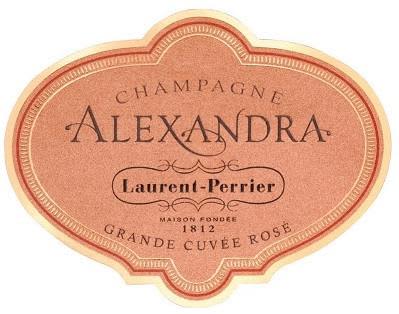

I recommend storing most rosé types for no more than two to three years. This timeframe allows for the preservation of the wine’s fresh and fruity character, which is its hallmark. After this period, the delicate flavors may begin to fade, leading to a less enjoyable experience.
Some high-quality rosés, particularly those from renowned regions, may benefit from slightly longer aging, extending to four or five years. These selections often possess a more robust structure, allowing them to evolve and integrate complex notes over time. However, careful monitoring is essential to ensure the wine does not deteriorate.
Always consider the specific varietal and vintage when determining the aging potential. Not all rosés are created equal; those crafted from grapes like Grenache or Mourvèdre tend to have better aging potential compared to lighter styles. Additionally, proper storage conditions–cool temperatures, stable humidity, and minimal light exposure–are crucial for maintaining quality during the aging process.
Optimal Aging Period for Rosé Varietals
Typically, most rosés reach their peak within 1 to 3 years after bottling. These wines often exhibit freshness and vibrant acidity, which are best enjoyed during this timeframe. However, some premium selections, particularly those from renowned regions or made from specific grape varieties like Mourvèdre or Grenache, may develop interesting characteristics if stored for up to 5 years.
Temperature control is paramount; a consistent cool environment helps maintain quality. Ideal conditions include a range of 50°F to 60°F (10°C to 15°C). Humidity should be balanced to around 60%-70% to prevent cork damage. Light exposure should be minimized, as ultraviolet rays can degrade the wine’s structure.
Regularly monitoring the bottle’s condition is wise. If sediment appears or aromas become overly muted, it may signal that the wine is nearing its optimal drinking window. Tasting periodically can also provide insight into its evolving profile.
Ultimately, personal preference plays a significant role. Some may enjoy the lively characteristics of a young rosé, while others might appreciate the complexity of a more mature version. Understanding the specific style and origin of your selection will guide you in determining the best time for enjoyment.
Understanding the Aging Potential of Rosé Wines
Generally, I find that most pink wines are best enjoyed within three years of bottling. However, exceptional varieties crafted from top-quality grapes can be aged for up to five years or more. Certain producers, especially those from regions with a reputation for quality, create rosés that develop more complex flavors over time.
Factors Influencing Aging
Acidity and tannins play a significant role in the aging potential of these wines. Higher acidity levels contribute to longevity, allowing the flavors to evolve gracefully. Tannins, although typically lighter in rosés compared to reds, can also enhance the aging process. Regions like Provence and Tavel often produce styles with sufficient structure to withstand time.
Characteristics of Mature Rosé
With age, the aromatic profile transforms, showcasing notes of dried fruits, subtle spices, and earthy undertones. Color deepens from pale pink to a more salmon hue, indicating maturity. Tasting aged versions often reveals a more rounded mouthfeel and complex layers, which can be a delightful experience for those who appreciate the nuances that come with time.
Factors Influencing the Cellaring Duration of Rosé
The time for aging rosé relies heavily on several key elements. First, acidity plays a significant role. Higher acidity levels can enhance longevity, allowing the beverage to evolve positively over time. Wines with balanced acidity typically maintain their freshness and structure longer.
Fruit quality at harvest is another determinant. Grapes sourced from premium vineyards often result in wines that age gracefully. Varieties such as Grenache and Syrah, known for their robust characteristics, tend to retain their appeal longer compared to lighter varietals.
Winemaking techniques also impact aging potential. Techniques such as extended maceration or fermentation in oak can impart additional complexity, allowing the wine to develop depth over time. Conversely, simpler production methods may lead to wines that are best enjoyed young.
Storage conditions cannot be overlooked. Optimal temperatures, stable humidity levels, and minimal light exposure are essential for preserving quality. Wines stored in ideal conditions often show improved aging potential.
Closure type influences oxygen exposure. Natural corks allow for gradual oxidation, which can enhance aging, while screw caps tend to preserve freshness, suggesting a shorter aging window.
Lastly, personal preference shapes the aging process. Some individuals enjoy the vibrant, fruity profiles of youthful rosés, while others appreciate the nuanced flavors that develop with time. Understanding these factors helps tailor the experience to individual tastes.
Best Types of Rosé for Long-Term Cellaring
For aging, I recommend opting for dry rosés made from robust grape varieties. Examples include Grenache, Syrah, and Tempranillo. These varietals often possess the structure and acidity necessary to withstand extended maturation.
Provence rosés, especially those crafted from Cinsault and Grenache, can develop complex flavors over time, making them an excellent choice for long-term storage. Look for bottles labeled as “Prestige” or those from specific vineyard sites, as these often indicate higher quality.
Additionally, consider rosés with a higher alcohol content, typically above 13%. Such wines tend to exhibit better aging potential due to their concentration and balance.
Don’t overlook sparkling options; traditional method rosés, like those from Champagne or Cava, can age beautifully, developing intricate characteristics over the years. The bubbles help preserve freshness, while the wine matures in the bottle.
Lastly, always select high-quality bottles with a good closure, as this plays a critical role in the aging process. Glass closures or high-quality corks provide the necessary seal for long-term aging, ensuring the wine evolves gracefully.
Optimal Storage Conditions for Cellaring Rosé
Maintain a temperature range of 45°F to 65°F (7°C to 18°C) for ideal preservation. Fluctuations can damage the integrity of the beverage, so a stable environment is key. Aim for a humidity level between 50% and 70% to prevent corks from drying out, which can lead to oxidation.
Store bottles horizontally to keep the cork in contact with the liquid, preventing air from entering. Choose a dark location, as UV light can degrade the quality. A wine cellar or dedicated wine fridge offers the best conditions. Avoid basements prone to flooding or kitchens with temperature variations.
Minimize vibrations by placing bottles on a stable shelf. Natural wood shelves can absorb shocks better than metal. Ensure proper ventilation to avoid musty odors that may affect the aroma. Regularly check the condition of the cork and the liquid level for any signs of spoilage.
| Condition | Optimal Range |
|---|---|
| Temperature | 45°F to 65°F (7°C to 18°C) |
| Humidity | 50% to 70% |
| Light Exposure | Dark Environment |
| Vibration | Minimal |
By adhering to these conditions, you can significantly enhance the aging potential and overall enjoyment of your selections. Regular monitoring ensures your collection remains in peak condition.