Chuck Furuya
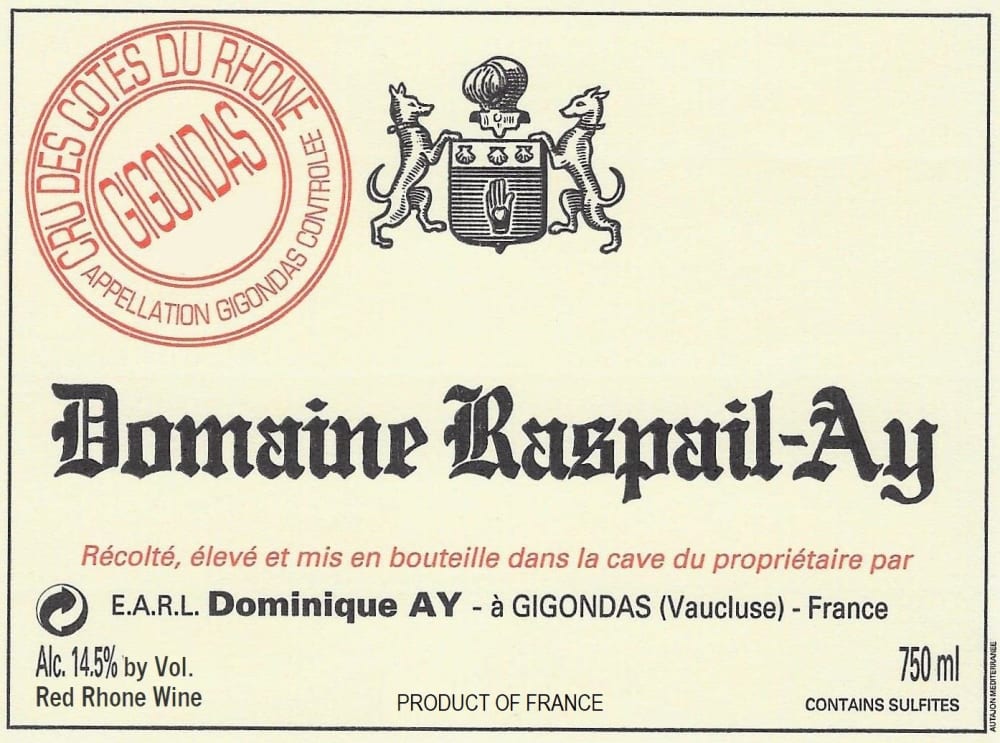
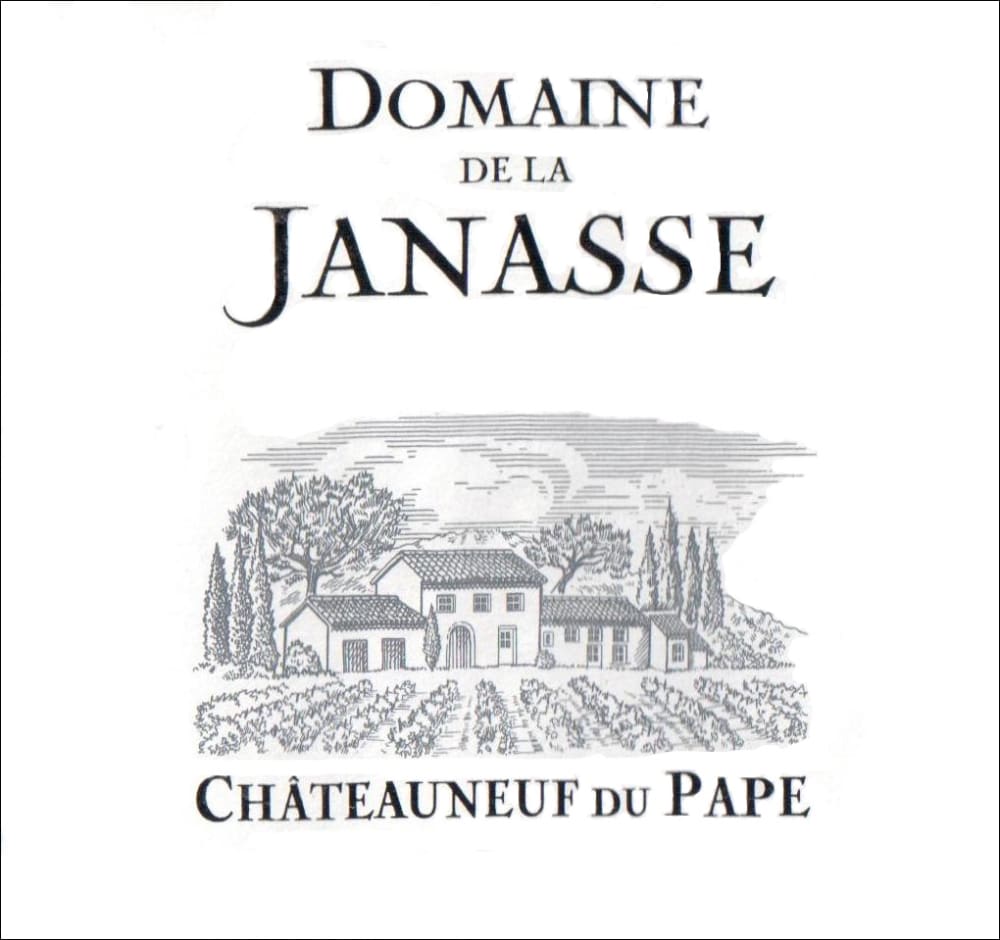

For anyone seeking a remarkable experience, I highly recommend exploring the exquisite combinations found in this renowned French region. The interplay of various grape varieties creates a distinctive profile that captivates the palate. Notably, Grenache serves as the cornerstone, often accompanied by Syrah and Mourvèdre, resulting in a rich tapestry of flavors.
When selecting a bottle, consider those that showcase the harmonious balance between fruitiness and earthiness. These selections often reveal notes of dark berries, herbs, and subtle spices, inviting an exploration of their complexity. Pairing these exceptional pours with hearty dishes such as lamb or ratatouille elevates the experience to new heights.
Moreover, look for producers who emphasize traditional methods, as they often capture the true essence of the terroir. This commitment to quality ensures a delightful sip that reflects the character and history of the region perfectly. Discovering these blends not only satisfies the thirst for quality but also enhances any gathering with friends or a quiet evening at home.
Understanding the Key Grapes in Southern Rhone Blends
I recommend focusing on several key varieties that define blends from this region. The most prominent grape is Grenache, which contributes to the fruit-forward character and spice notes. Syrah adds depth and structure, bringing dark fruit flavors and tannins. Mourvèdre introduces earthy and gamey elements, enhancing complexity.
Key Varieties and Their Characteristics
| Grape Variety | Characteristics |
|---|---|
| Grenache | Red fruit, spice, soft tannins |
| Syrah | Dark fruit, pepper, firm structure |
| Mourvèdre | Earthy, gamey, complex |
| Cinsault | Red fruit, floral notes, medium body |
| Carignan | Acidity, tannins, berry flavors |
For a balanced experience, I suggest looking for blends that harmoniously combine these grapes. A typical composition might feature Grenache as the base, supported by Syrah and Mourvèdre, with smaller amounts of Cinsault or Carignan to add nuance.
Characteristics of Southern Rhone Red Wine Blends
Richness and complexity define these blends, often showcasing a harmonious balance of fruit, spice, and earthiness. The primary flavors typically include dark berries, plum, and herbal notes, complemented by hints of garrigue, a characteristic blend of fragrant herbs found in the region.
Aroma Profile
On the nose, one can expect a bouquet that combines ripe fruit aromas with subtle undertones of black pepper, licorice, and occasionally floral notes. The aging process often introduces additional layers of complexity, such as leather, tobacco, and roasted coffee.
Texture and Structure
The mouthfeel tends to be smooth and velvety, supported by moderate to high tannins that provide structure. Acidity levels are balanced, ensuring a refreshing finish that invites further sips. These characteristics make them versatile companions for a range of dishes, from grilled meats to hearty stews.
Popular Appellations for Red Wine Blends in Southern Rhone
Châteauneuf-du-Pape stands out as a premier region for exceptional combinations, where Grenache dominates the blends, often accompanied by Syrah and Mourvèdre. The complexity and richness of these offerings frequently capture the attention of enthusiasts.
Côtes du Rhône delivers a broader spectrum of styles, showcasing approachable and versatile mixes. This appellation allows for experimentation with various varietals, making it a favorite among casual drinkers and collectors alike.
Gigondas
In Gigondas, expect robust and structured concoctions. Grenache is again the star, complemented by Syrah and Mourvèdre. The elevation of the vineyards contributes to unique flavor profiles, often yielding wines with depth and aging potential.
Vacqueyras
Vacqueyras offers rich textures and bold flavors, similar to those found in Gigondas. The blends here typically feature a harmonious balance of Grenache and Syrah, creating wines that are both powerful and elegant. This region is perfect for those seeking depth without sacrificing approachability.
Food Pairing Suggestions for Southern Rhone Red Blends
To enhance your experience with these robust offerings, consider the following pairings:
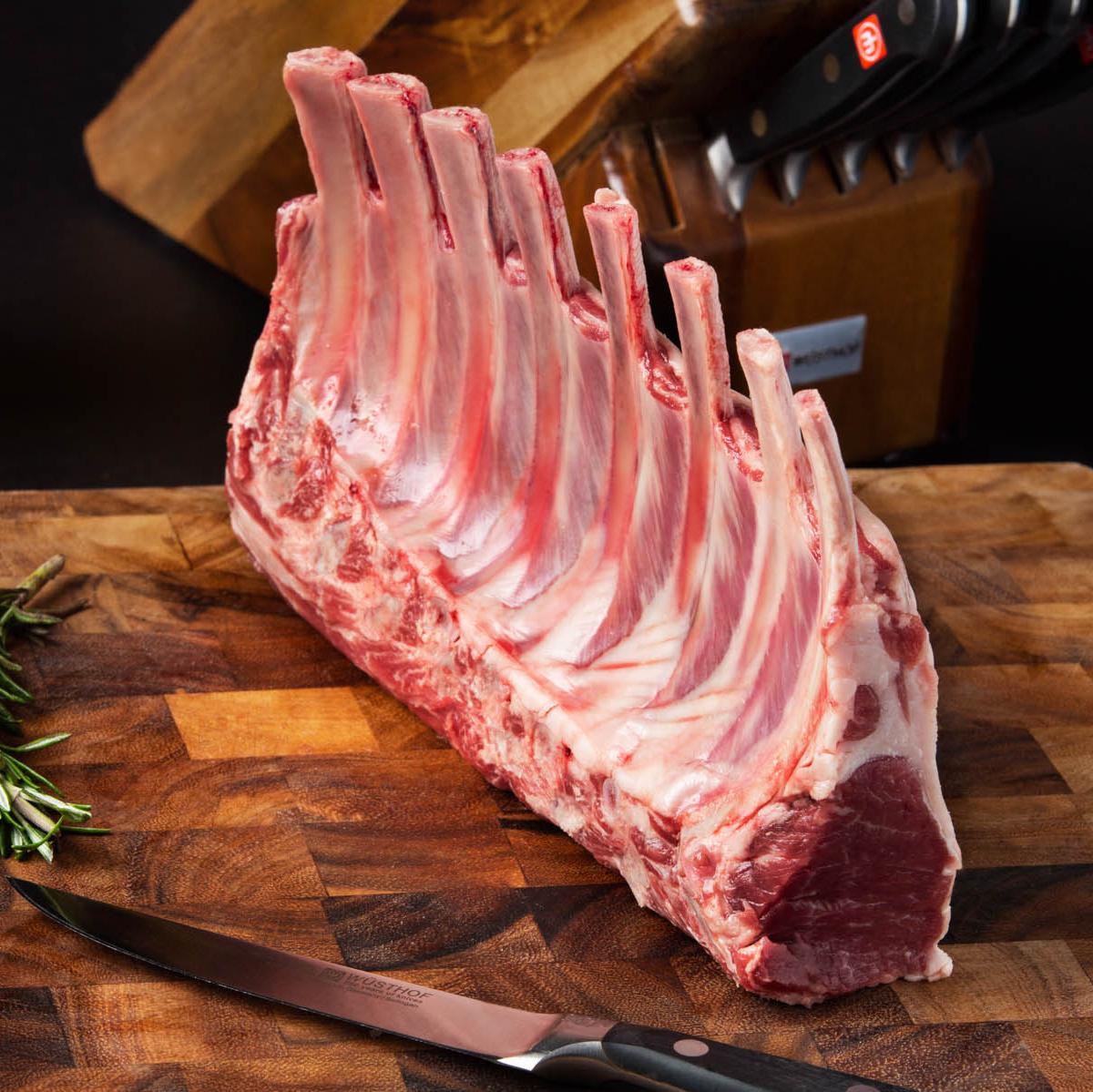
- Grilled Lamb Chops: The herbaceous notes and spices in the wine complement the rich flavors of lamb beautifully.
- Ratatouille: This classic vegetable dish enhances the fruity and earthy characteristics, creating a harmonious balance.
- Beef Bourguignon: The depth of this stew matches the complexity of the blend, making for an exquisite combination.
- Spicy Sausages: The heat from the sausages works well with the tannins, resulting in a delightful contrast.
- Cheese Plate: A mix of aged cheeses such as Gruyère, Comté, and Roquefort pairs exceptionally well, highlighting the wine’s nuances.
For a more adventurous option, try these:
- Duck Confit: The richness of duck complements the velvety texture of the drink.
- Mushroom Risotto: Earthy mushrooms enhance the blend’s complexity, creating a delightful pairing.
- Stuffed Peppers: The combination of spices and flavors in stuffed peppers works well with the fruity notes.
These suggestions aim to elevate your tasting experience, allowing the characteristics of the wine to shine through in each pairing.
How to Taste and Evaluate Southern Rhone Red Wine Blends
Begin by observing the appearance of the pour. Swirl the glass gently to assess clarity and color depth. Look for hues ranging from ruby to garnet, indicating age and grape composition.
Aroma Assessment
Next, take a moment to inhale the bouquet. Swirl again and let the wine breathe. Identify prevalent scents such as ripe dark fruits, herbs, or spice. Common notes include blackberries, plums, and a hint of garrigue (the local herbaceous vegetation).
Tasting Technique
Take a small sip and allow it to coat your palate. Focus on the following aspects:
- Fruit Profile: Identify the primary fruit characteristics. Look for balance between sweetness and acidity.
- Tannins: Assess the texture. Are they smooth or astringent? This affects overall mouthfeel.
- Finish: Note the aftertaste. A long, pleasant finish indicates quality.
Consider pairing the tasting experience with a small bite of food. This enhances flavors and can reveal hidden complexities. After tasting, reflect on how it aligns with your personal preferences.
Current Trends in Southern Rhône Red Wine Production
Producers in this region are increasingly focusing on organic and biodynamic practices. Many vineyards are transitioning to sustainable farming methods, enhancing the quality of grapes while promoting environmental health. This shift caters to a growing market of environmentally conscious consumers.
Another notable trend is the rise of smaller, boutique wineries. These establishments prioritize artisanal techniques and unique expressions of terroir. They often experiment with lesser-known varietals alongside traditional ones, creating distinctive profiles that attract adventurous palates.
Climate Adaptation Strategies
As climate change impacts viticulture, winemakers are adopting innovative strategies. Adjusting planting schedules and selecting heat-resistant grape varieties are becoming common practices. Additionally, some are implementing precision viticulture techniques to monitor vineyard health and optimize resource usage.
Consumer Preferences
Shifts in consumer tastes are evident, with a growing preference for lighter, more approachable styles. Many producers are responding by crafting wines with lower alcohol content and enhanced acidity, making them more versatile for food pairing. This trend reflects a broader movement towards moderation in beverage choices.
Collaborations between winemakers and chefs are also gaining traction, leading to wines specifically designed to complement culinary creations. This partnership enhances the overall dining experience and elevates the profile of local gastronomy.