Chuck Furuya



When choosing a glass, I often find myself considering the nuances of French Pinot Noir compared to other dark varietals. Burgundy, a renowned region in France, is primarily known for its exquisite Pinot Noir, which embodies unique characteristics influenced by terroir and climate. Its complexity sets it apart from broader classifications of dark grapes produced globally.
Pinot Noir from Burgundy showcases a refined profile with earthy undertones, red fruit flavors, and subtle spice notes, reflecting the region’s distinct soil and climate. In contrast, other varietals can vary significantly in taste, aroma, and texture, often influenced by the winemaking process and regional conditions. This distinction is key when selecting a bottle for dinner or a special occasion.

Understanding these varietals enhances appreciation for their differences. When I savor a glass from Burgundy, I am often reminded of the meticulous craftsmanship that goes into each bottle, distinguishing it from more generalized offerings in the market. This attention to detail makes Burgundy a celebrated choice among enthusiasts and casual drinkers alike.
Understanding the Definition of Burgundy in the Wine World
Burgundy refers specifically to a renowned wine-producing region in France, celebrated for its exceptional Pinot Noir and Chardonnay offerings. This area is geographically distinct, encompassing several appellations, each with unique characteristics and regulations.
Key aspects defining Burgundy include:
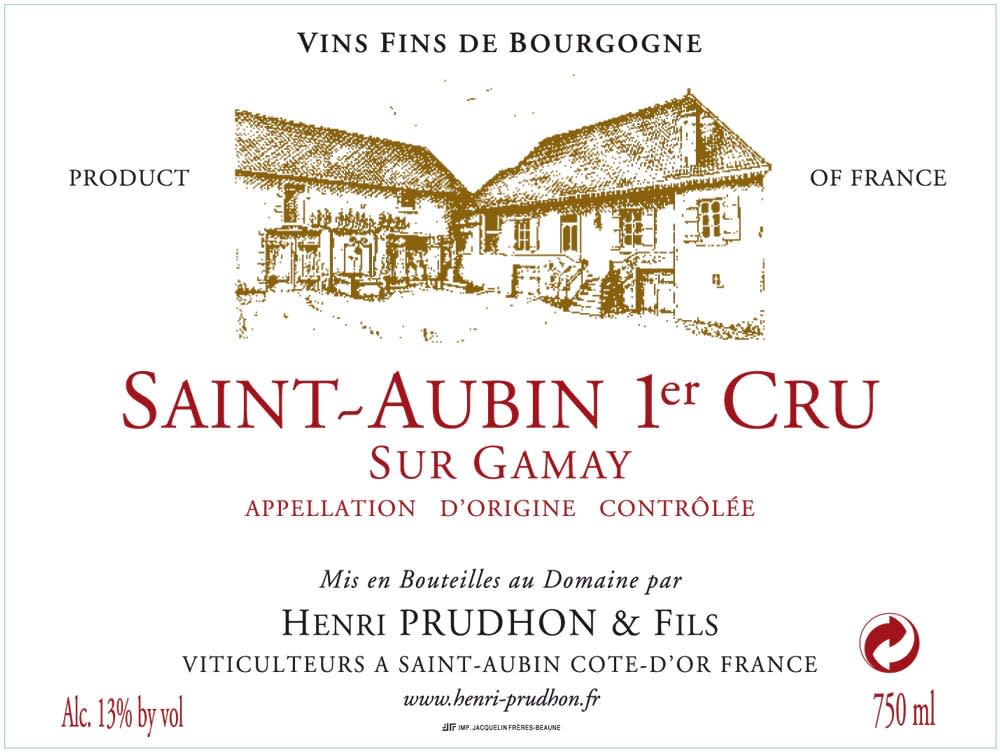
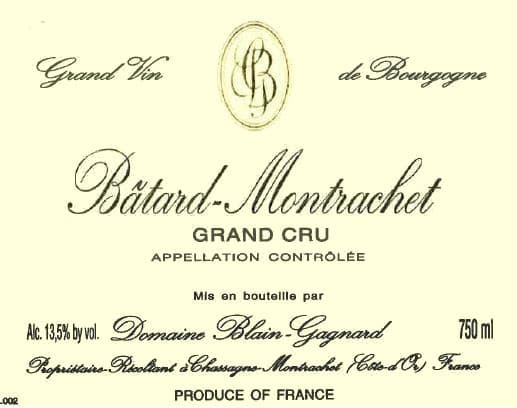
- Appellations: Burgundy is divided into various tiers, including Grand Cru, Premier Cru, Village, and Regional wines. Each classification indicates the quality and origin.
- Terroir: The concept of terroir emphasizes the interplay of soil, climate, and tradition in crafting these beverages. Burgundy’s diverse microclimates contribute significantly to the flavor profiles of its products.
- Grapes: Predominantly, this region cultivates Pinot Noir for reds and Chardonnay for whites. Understanding the varietal is crucial for appreciating the nuances of these selections.
- Winemaking Techniques: Traditional methods such as oak aging and minimal intervention are often employed, influencing the complexity and depth of flavors.
For enthusiasts aiming to explore Burgundy, consider visiting specific appellations like Côte de Nuits for exquisite Pinots or Côte de Beaune for exceptional Chardonnays. Tasting sessions in local vineyards provide insight into the meticulous craftsmanship behind each bottle.
In conclusion, Burgundy represents a unique wine culture, deeply rooted in its geography, varietals, and artisanal techniques. Exploring this region enhances one’s appreciation for the artistry involved in wine production.
Identifying Key Grapes Used in Burgundy Production
To appreciate the true essence of Burgundy, one must recognize the primary grape varieties that define this celebrated region. Pinot Noir stands out as the premier choice for crafting exquisite reds. This varietal thrives in Burgundy’s unique terroir, yielding wines with distinct flavors ranging from red berries to earthy undertones. The intricate balance of tannins and acidity in Pinot Noir contributes to its reputation as a versatile wine, suitable for aging and culinary pairings.
Chardonnay’s Role in Burgundy
Chardonnay is the dominant white grape in Burgundy, known for producing nuanced and elegant wines. This variety benefits from the region’s limestone-rich soils, which enhance its minerality and complexity. I often find that Burgundian Chardonnays exhibit a range of flavors, from crisp apple and citrus to richer notes of butter and toasted oak, depending on the vinification techniques employed.
Other Notable Varietals
While Pinot Noir and Chardonnay take center stage, other grapes also play crucial roles. Gamay, primarily found in the Beaujolais region, offers a lighter, fruitier expression that contrasts beautifully with the fuller-bodied reds from Pinot Noir. Aligoté is another white grape that, although less prominent, provides refreshing alternatives with its bright acidity and floral notes. Understanding these grapes enhances my appreciation for Burgundy’s diverse offerings.
Exploring Flavor Profiles and Pairing Options for Burgundy
For an exquisite experience, I recommend choosing a Pinot Noir from this region, known for its bright acidity, red fruit flavors, and earthy undertones. Common tasting notes include cherry, raspberry, and plum, often complemented by hints of spice and floral aromas.
When it comes to food pairings, I find that dishes with roasted poultry, such as duck or chicken, harmonize beautifully with these wines. The acidity cuts through the richness of the meat, enhancing the overall flavor profile. Additionally, a mushroom risotto or a savory tart can elevate the experience, as the earthiness of the fungi resonates with the wine’s natural notes.
For cheese lovers, I suggest a soft Brie or a rich Camembert, which provides a delightful contrast to the wine’s structure. If you’re feeling adventurous, try pairing with a light seafood dish, like grilled salmon, where the wine’s acidity complements the dish’s natural oils.
In terms of aging potential, I appreciate how some vintage Burgundies develop complex layers over time. Aged bottles can reveal deeper flavors of truffle, leather, and forest floor, making them a thrilling choice for special occasions.
Overall, exploring these flavor profiles and pairing options allows for a memorable tasting journey. Each sip tells a story, and each dish enhances this narrative, making every meal an opportunity to savor the nuances of this remarkable beverage.