Chuck Furuya
When selecting a bottle of garnet nectar, I often recommend considering the grape variety as a primary indicator of flavor profile. For instance, Cabernet Sauvignon, with its bold tannins and rich blackcurrant notes, pairs excellently with red meats, while Pinot Noir, known for its lighter body and bright cherry characteristics, complements poultry and salmon beautifully.
Another key aspect is the region of origin. Wines from Bordeaux typically exhibit a structured complexity, while those from California can showcase fruit-forward exuberance. Exploring these geographical nuances can significantly enhance your tasting experience.

Lastly, the aging process plays a pivotal role. Aged selections often develop nuanced layers of flavor, with oak influence adding depth, whereas younger bottles tend to be more refreshing and vibrant. I suggest tasting a range from different aging categories to appreciate how time alters the essence of these exquisite beverages.
Understanding the Main Red Wine Varieties
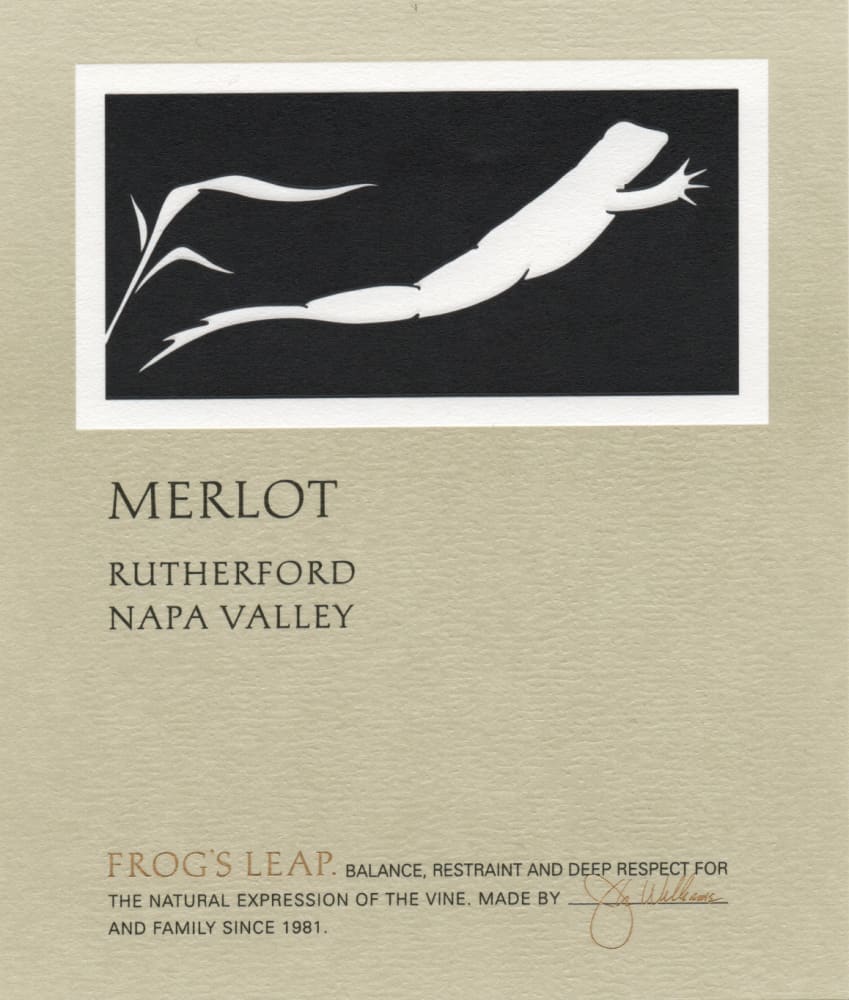
Merlot stands out for its smooth texture and fruit-forward profile. It typically showcases flavors of plum, black cherry, and chocolate. Ideal for those new to full-bodied beverages, this variety pairs well with poultry and pasta dishes.
Cabernet Sauvignon
Known for its bold character, Cabernet Sauvignon offers rich notes of blackcurrant, cedar, and tobacco. This robust varietal benefits from aging, which enhances its complexity. Perfect with red meats and strong cheeses, it enhances hearty dinners.
Pinot Noir
Pinot Noir is celebrated for its elegance and versatility. With flavors ranging from cherry to earthy undertones, it stands out in both light and robust forms. This option complements duck, salmon, and mushroom dishes, making it a favorite for gourmet pairings.
- Syrah/Shiraz:</strong Rich and spicy, featuring black fruit and pepper notes, ideal with grilled meats.
- Zinfandel:</strong Fruity and jammy, often with hints of spice, pairs well with barbecue and pizza.
- Sangiovese:</strong Offers bright acidity and cherry flavors, perfect for tomato-based recipes.
Each varietal brings unique characteristics, making exploration of these options a rewarding experience. Enjoy discovering flavors and pairings that suit your palate!
Impact of Grape Variety on Flavor Profiles
Choosing a grape variety directly influences the taste experience. For instance, Cabernet Sauvignon typically offers bold flavors, often exhibiting notes of black currant, cedar, and sometimes green bell pepper. This variety’s robust tannins contribute to its aging potential, making it a favorite among collectors.
In contrast, Pinot Noir tends to present a lighter body with higher acidity. Its flavor profile often includes red fruits like cherry and raspberry, accompanied by earthy undertones and floral hints. This varietal is celebrated for its complexity, especially when sourced from cool climates.
Merlot stands out with its smooth texture and approachable flavors. Common notes include plum, chocolate, and vanilla, primarily due to oak aging. Its soft tannins make it an excellent choice for those new to red varietals.
Syrah, or Shiraz as it is known in Australia, delivers a robust and spicy profile. Expect flavors of blackberry, smoked meat, and pepper. The diversity of this grape allows for a wide range of expressions based on the terroir.
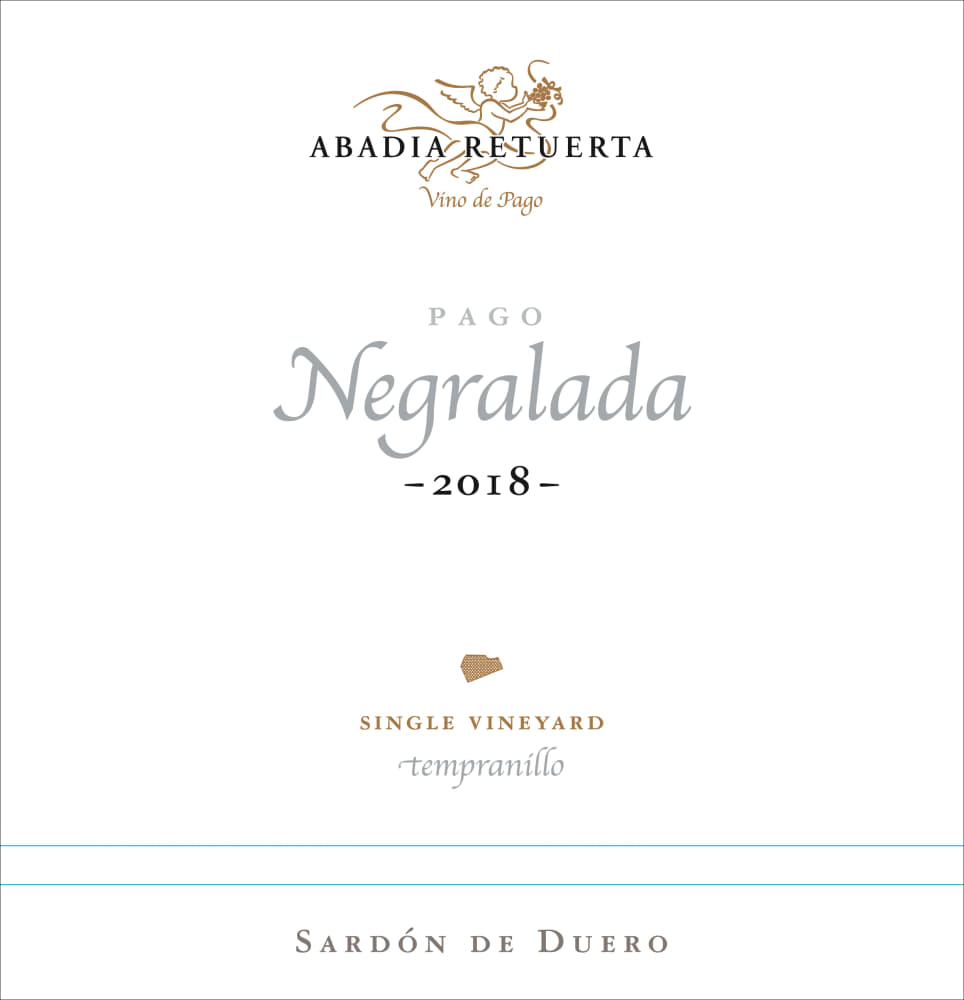
Tempranillo, native to Spain, showcases a unique combination of ripe fruit and earthy flavors. It often carries notes of leather and tobacco, enhancing its complexity. This grape pairs well with grilled meats and rich sauces.
Understanding these nuances can guide selections for different occasions, enhancing the enjoyment of each pour. Selecting a varietal based on its flavor characteristics can elevate any dining experience, ensuring a memorable evening.
How Climate Affects Wine Characteristics
Climate directly influences grape maturation, acidity levels, and flavor nuances. For instance, cooler regions typically produce wines with higher acidity and more subtle flavor profiles, while warmer climates tend to yield bolder, fruit-forward options. Understanding these effects can help in selecting preferred varieties.
Temperature Impacts
In hot areas, grapes ripen faster, leading to increased sugar levels and reduced acidity. This often results in wines that are higher in alcohol and exhibit jammy, overripe fruit characteristics. Conversely, cooler climates allow for a slower ripening process, which preserves acidity and enhances complexity, yielding wines with herbal or floral notes.
Rainfall and Soil Composition
Precipitation patterns play a significant role in grape health. Excessive moisture can lead to fungal diseases, impacting quality. Well-drained soils in drier regions typically produce healthier vines, enhancing flavor concentration. Additionally, regions with diverse soil types can impart unique mineral qualities, adding depth to the profile.
As I explore various regions, I notice how climate shapes not only the fruit’s characteristics but also the overall profile of the final product. Understanding these factors aids in appreciating and choosing wines that best suit personal tastes.
The Role of Aging in Red Wine Complexity
Aging significantly enhances the intricacy of these beverages. Aged varieties often develop deeper flavors and aromas, transforming from youthful fruitiness to more nuanced profiles. Key aspects include:
- Oxidation: Exposure to oxygen during maturation softens tannins and integrates flavors, resulting in smoother textures.
- Secondary Fermentation: Malolactic fermentation, common in aging, converts harsh malic acid into softer lactic acid, contributing creaminess.
- Wood Influence: Interaction with oak barrels introduces vanilla, spice, and toast characteristics, adding layers to the taste.
- Terroir Expression: Extended time allows the true essence of the vineyard to shine through, revealing subtleties not evident in younger selections.
- Complex Aromatics: Aromas evolve to include notes like leather, earth, and dried fruit, enhancing olfactory experience.
Choosing a bottle for aging requires attention to structure and balance. High acidity and robust tannins typically indicate good aging potential. Popular varietals for aging include Cabernet Sauvignon, Syrah, and Nebbiolo, known for their ability to develop over time.
When selecting, consider the vintage and storage conditions. Ideal conditions include a consistent, cool temperature and minimal light exposure. Patience pays off; some wines can reach their peak after several years, offering a rewarding tasting experience.