Chuck Furuya


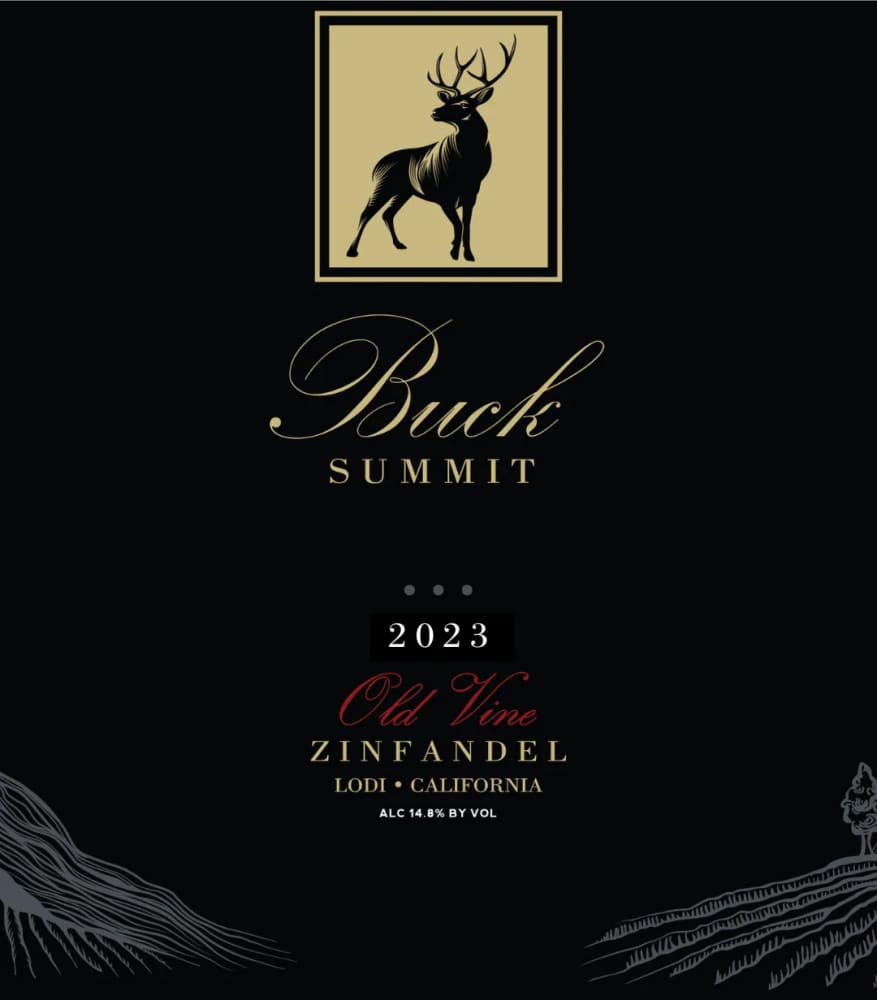
If you’re looking to explore a distinct and approachable option, I highly recommend trying a Zinfandel from this region. Known for its fruit-forward characteristics, it typically boasts flavors of blackberry, raspberry, and subtle spice notes, making it a favorite among both casual drinkers and connoisseurs alike.
Another excellent choice is a Cabernet Sauvignon, which often exhibits a robust profile with rich tannins and a complex bouquet of dark fruits, including blackcurrants and plums. This varietal pairs beautifully with grilled meats and hearty dishes, enhancing the dining experience.
For those who appreciate a softer palate, a Pinot Noir might be the ideal selection. This wine often features bright cherry and strawberry notes, complemented by earthy undertones. It’s versatile enough to accompany a variety of cuisines, from poultry to salmon.
When exploring these options, consider visiting local vineyards or wine shops that specialize in selections from this area. Engaging with knowledgeable staff can greatly enhance your understanding and appreciation of these remarkable varietals.
California’s Bold Red Varietals
A great choice for anyone looking to explore full-bodied options is a Zinfandel from this region. Known for its jammy fruit flavors and peppery finish, it’s a delightful companion to barbecue dishes or hearty pasta meals. Another excellent pick is the Cabernet Sauvignon, characterized by its rich tannins and dark fruit notes, which pairs beautifully with grilled meats and aged cheeses.
Tasting Notes and Pairing Suggestions
Each varietal brings a unique profile to the table:
| Type | Tasting Notes | Food Pairing |
|---|---|---|
| Zinfandel | Jammy, spicy, and fruity | Barbecue, pizza, and pasta |
| Cabernet Sauvignon | Rich, full-bodied, with dark fruit | Grilled meats, steaks, and aged cheeses |
| Merlot | Soft, velvety, with plum and cherry | Poultry, lamb, and mushroom dishes |
Exploring Lesser-Known Varietals
Diving into lesser-known varieties can be rewarding. Try a Petite Sirah for its bold tannins and dark berry flavors, or a Carignan for its bright acidity and earthy undertones. Both can elevate a meal and surprise your palate.
Key Grape Varieties Used in California Red Wines
For a truly exceptional experience, focus on these prominent grape varieties that define the character of wines from this region:
- Cabernet Sauvignon: Known for its bold structure and rich flavors of blackcurrant, this grape thrives in various climates, particularly in Napa Valley.
- Merlot: Softer and fruitier than its counterpart, Merlot offers notes of plum and cherry, making it a popular choice for those who prefer a smoother profile.
- Pinot Noir: Renowned for its elegance, this variety showcases flavors of red berries, earthiness, and floral notes, often found in cooler coastal areas like Sonoma.
- Zinfandel: A signature of the region, Zinfandel is often fruit-forward with spiciness, reflecting its versatility and adaptability to various terroirs.
- Syrah/Shiraz: This variety presents dark fruit flavors alongside peppery and smoky notes, thriving in warmer climates like Paso Robles.
Additional Notable Varieties
- Malbec: Gaining popularity, Malbec offers dark fruit characteristics and a velvety texture, often used in blends.
- Barbera: Known for its high acidity and bright cherry flavors, Barbera makes for a refreshing option, especially with food.
- Cabernet Franc: Often blended with Cabernet Sauvignon, it adds complexity with its herbal notes and red fruit profile.
Exploring these grape varieties offers valuable insights into the diverse styles and flavors available in the region’s offerings. Each variety reflects the unique growing conditions and winemaking techniques employed by local vintners.
Regions in California Known for Red Wine Production
I highly recommend exploring Napa Valley if you’re seeking exceptional varietals. This area is renowned for its Cabernet Sauvignon, often showcasing rich flavors and complex aromas. The unique terroir, combined with dedicated winemakers, results in wines that frequently receive accolades.
Sonoma County is another must-visit destination. It offers a diverse range of varietals due to its varied microclimates. Here, Zinfandel thrives, producing robust bottles with spicy notes and jammy fruit characteristics. The region’s commitment to sustainable practices is also noteworthy, enhancing the quality of its offerings.
Central Coast Highlights
For those interested in exploring beyond the more famous regions, the Central Coast, particularly Paso Robles, stands out. This area is celebrated for its bold blends, especially those involving Grenache and Syrah. The warm days and cool nights contribute to the balanced acidity and rich flavor profiles found in the bottles produced here.
Emerging Regions
Don’t overlook the emerging wine regions like Santa Barbara County. Known for its Pinot Noir, this area produces elegant wines with bright acidity and red fruit flavors. The influence of the Pacific Ocean creates a cooler climate that’s perfect for this grape variety. As these areas gain recognition, they are becoming essential stops for enthusiasts and collectors alike.
Characteristics and Flavor Profiles of California Red Wines
When exploring the qualities of these robust beverages, I often find that fruit-forward flavors dominate, with notes of dark berries such as blackberry, cherry, and plum. These wines frequently exhibit a ripe sweetness balanced by moderate acidity, providing a luscious mouthfeel that enhances the overall tasting experience.
Many of these blends also feature subtle herbal undertones, often reminiscent of eucalyptus or mint, which add complexity to the flavor profile. Earthy elements like tobacco and leather can emerge, especially in more aged varieties, revealing a nuanced depth that captivates the palate.
The use of oak aging is prevalent, contributing vanilla, spice, and toasty characteristics. Depending on the duration and type of barrels employed, the influence can range from subtle to pronounced, often complementing the inherent fruitiness of the liquid.
Different regions contribute unique nuances; for example, wines from Napa Valley tend to be richer and bolder, while those from Sonoma may showcase a more restrained elegance. The climate and terroir play pivotal roles in shaping these distinctions, influencing not just taste but also texture and finish.
Pairing these beverages with food can elevate the experience. I recommend enjoying a full-bodied selection with grilled meats or hearty dishes to fully appreciate its structure. For lighter options, a medium-bodied variant can harmonize beautifully with pasta or roasted vegetables.
In conclusion, the diverse characteristics and flavor profiles of these wines reflect the artistry of the winemakers and the unique terroirs from which they hail. Each bottle offers an opportunity to explore and enjoy a rich tapestry of flavors and aromas, making every tasting a memorable occasion.