Chuck Furuya


For those seeking to expand their palate, I recommend exploring Cabernet Sauvignon, a full-bodied option known for its rich flavors of dark fruits and distinctive tannins. This variety pairs excellently with grilled meats and aged cheeses, making it a staple in many wine collections.
If you prefer something a bit lighter, Merlot offers a softer profile with its lush fruitiness and smooth finish. Its versatility allows it to complement a range of dishes, from roasted chicken to pasta with red sauce.
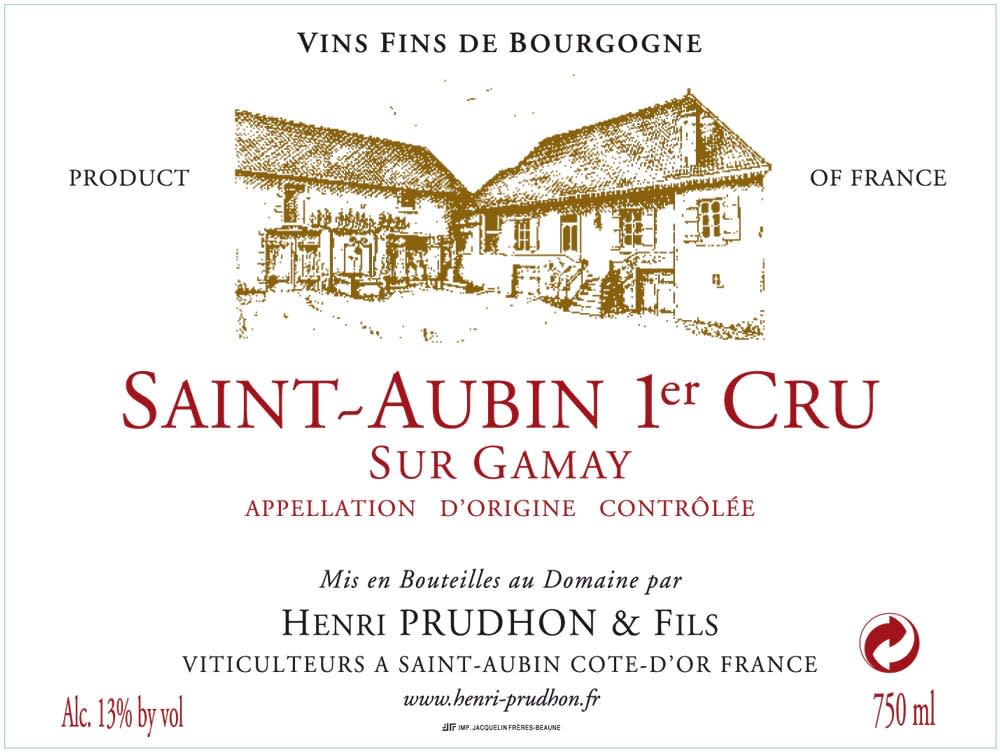
Pinot Noir stands out with its elegant complexity, showcasing notes of cherry, earth, and spice. This varietal’s finesse makes it an ideal match for salmon or mushroom-based dishes, highlighting its adaptability across cuisines.
Syrah, or Shiraz, presents a bold choice with its peppery and fruity characteristics. This wine thrives with hearty meals such as barbecue or lamb, enhancing the overall dining experience.
Lastly, Zinfandel delivers a unique profile, often featuring jammy fruit flavors and a hint of spice. It pairs wonderfully with barbecue ribs or pizza, making it a crowd-pleaser at gatherings.
Understanding Cabernet Sauvignon: Characteristics and Regions
Cabernet Sauvignon impresses with its bold flavors and robust structure, making it a favorite among enthusiasts. This varietal typically showcases dark fruit notes like blackcurrant, plum, and blackberry, complemented by hints of green bell pepper, tobacco, and even cedar when aged in oak. The tannins are firm, contributing to a full-bodied profile that allows for aging potential.
Key Regions
California stands out as a premier source for Cabernet Sauvignon, particularly Napa Valley, where warm temperatures and diverse soils create ideal conditions. Bordeaux in France is another prestigious area, where blends with Merlot and Cabernet Franc often highlight the wine’s complexity and elegance. Regions like Chile and Australia also produce exceptional examples, each reflecting local terroirs and winemaking techniques.
Serving Suggestions
This varietal pairs well with hearty dishes, such as grilled meats, rich stews, and aged cheeses. For optimal enjoyment, serve at around 60-65°F (15-18°C). Allowing it to breathe enhances the flavors, so decanting for at least an hour is advisable before serving.
Exploring Merlot: Flavor Profiles and Food Pairings
Merlot offers a smooth, rich experience with flavors ranging from dark fruit like blackberry and plum to hints of chocolate and spice. Its medium to full body and soft tannins create a velvety texture, making it approachable for many palates. I find its versatility appealing, complementing a wide array of dishes.
Flavor Characteristics
The flavor profile of Merlot can vary based on the region and winemaking techniques. Here’s a breakdown of common tasting notes:
| Flavor Notes | Descriptions |
|---|---|
| Fruits | Blackberry, plum, cherry, raspberry |
| Spices | Cinnamon, clove, black pepper |
| Earthy | Mushroom, wet stone, leather |
| Floral | Violets, rose petals |
| Oak | Vanilla, chocolate, smoke |
Pairing Suggestions
To enhance the experience, certain food pairings elevate Merlot’s qualities. Here are my recommendations:
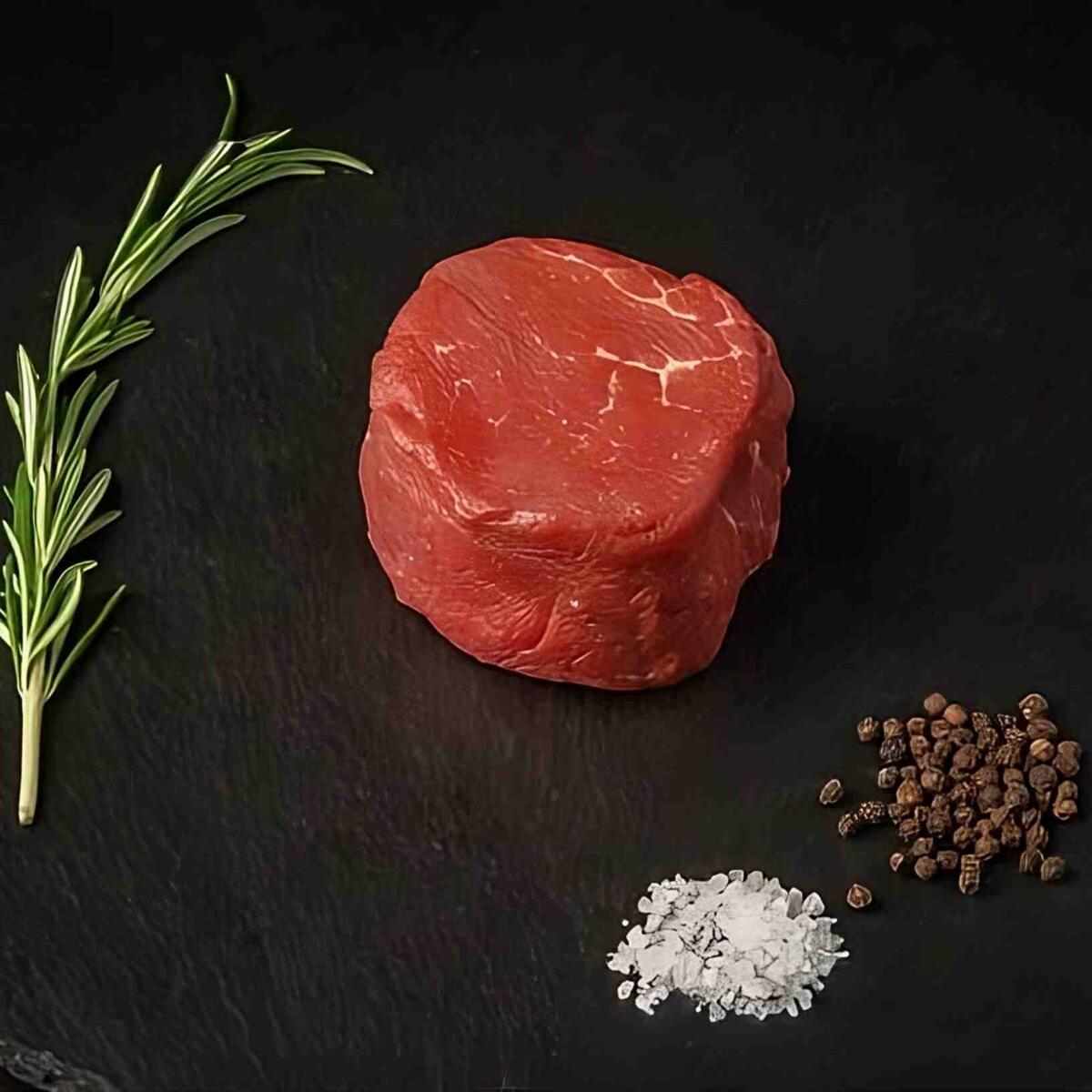
- Red Meat: Grilled lamb or beef tenderloin complements the wine’s fruitiness.
- Poultry: Roast chicken or duck with a rich sauce works well.
- Pasta: Dishes with tomato-based sauces, such as spaghetti Bolognese, harmonize beautifully.
- Cheese: Aged cheddar or gouda provides a delightful contrast to Merlot’s softness.
- Vegetarian: Mushroom risotto or roasted vegetables can enhance the earthy notes.
Experimenting with these pairings can reveal new dimensions of flavor, making each meal memorable.
Pinot Noir: Growing Conditions and Taste Distinctions
I recommend seeking out Pinot Noir from regions with cooler climates, such as Burgundy in France, Oregon’s Willamette Valley, or New Zealand’s Central Otago. These areas benefit from diurnal temperature variations that enhance the grape’s acidity and flavor complexity.
This varietal thrives in well-drained soils, particularly limestone and clay. These conditions contribute to the delicate balance of fruitiness and earthiness characteristic of quality Pinot Noir. Proper canopy management during the growing season is essential to ensure optimal ripeness and flavor development.
<p.On the palate, Pinot Noir typically showcases red fruit flavors like cherry, raspberry, and strawberry, often accompanied by earthy undertones and subtle spice notes. The tannins are generally softer compared to other varieties, providing a silky mouthfeel. Aging in oak barrels introduces notes of vanilla, clove, and even smoke, enhancing the wine’s complexity.
<p.Food pairings include roasted poultry, salmon, and mushroom dishes, where the wine's acidity and flavor profile can elevate the dining experience. When serving, a slightly cooler temperature, around 55-60°F (13-16°C), will allow the nuanced aromas to fully emerge.
Syrah vs. Shiraz: Differences and Popularity in Wine Culture
Syrah and Shiraz represent the same grape variety, yet their expressions differ significantly based on region and winemaking techniques. I recommend exploring these nuances to appreciate the full spectrum of flavors and styles available.
Syrah, primarily associated with France’s Rhône Valley, offers a profile characterized by bold flavors of dark fruit, pepper, and earthy undertones. This variety thrives in cooler climates, producing wines with higher acidity and more structured tannins. Notable regions include Hermitage and Côte-Rôtie, where the terroir enhances the wine’s complexity. If you enjoy a wine with depth, opt for a Syrah from these esteemed regions.
On the flip side, Shiraz, predominantly produced in Australia, tends to be fruitier and bolder, showcasing ripe blackberry and plum flavors with a hint of spice. The warmer climate allows for a fuller-bodied expression with softer tannins. Australian Shiraz often features a rich, jammy profile that appeals to many wine enthusiasts. Iconic regions include Barossa Valley and McLaren Vale, where the style is often more exuberant and approachable.
In terms of popularity, Shiraz has gained significant traction in the global market, particularly for its approachable taste and versatility. Many casual drinkers gravitate towards this style, often finding it more accessible than its Syrah counterpart. However, wine aficionados appreciate the depth and complexity of Syrah, leading to a growing interest in its nuances.
Whether I choose a Syrah or Shiraz often depends on the occasion. For hearty dishes, I lean towards a robust Syrah, while for casual gatherings, a fruit-forward Shiraz tends to please a wider audience. Exploring both styles enhances my understanding of this remarkable grape’s versatility.
Malbec: Origin, Taste Notes, and Serving Suggestions
Originating from France, particularly the Cahors region, Malbec has found a second home in Argentina, where it has thrived due to the high altitude and sunny climate. The transformation in Argentina has made this varietal synonymous with the country’s wine identity.
Tasting notes reveal a rich profile characterized by dark fruit flavors such as blackberry and plum, often complemented by hints of chocolate, tobacco, and leather. The tannins are typically soft, providing a smooth mouthfeel that makes it approachable yet complex.
For optimal enjoyment, serve Malbec at a slightly cooler temperature, around 60-65°F (15-18°C). This helps in highlighting its fruitiness while balancing the tannins. Pair it with hearty dishes like grilled meats, barbecued ribs, or flavorful stews. It also complements aged cheeses, enhancing the overall dining experience.
Exploring the nuances of Malbec can elevate your appreciation of this bold and expressive varietal. Whether sipping solo or paired with food, its character invites a delightful tasting adventure.
Tempranillo: Key Regions and Aging Potential
Focusing on Tempranillo, it’s essential to highlight its primary regions and aging capability. Spain stands out as the heart of this grape, specifically in areas such as Rioja and Ribera del Duero.
Key Regions
- Rioja: Renowned for its structured reds, typically aged in American oak, adding vanilla and spice notes.
- Ribera del Duero: Offers bolder styles with darker fruit flavors and a more robust body, often utilizing French oak for aging.
- Toro: Known for powerful wines with intense fruit and tannins, showcasing the grape’s versatility.
- La Mancha: Produces a range of styles, from fresh and fruity to more complex and aged expressions.
Aging Potential
Tempranillo’s aging ability varies by region and winemaking techniques. In Rioja, wines can age gracefully, often improving for 10-20 years. Ribera del Duero also yields age-worthy selections, with some premium bottles showing potential for even longer cellaring. Factors influencing aging include:
- Tannin Structure: Higher tannins contribute to longevity, allowing for extended maturation.
- Acidity: Adequate acidity helps maintain freshness over time, enhancing aging prospects.
- Oak Influence: The type of oak and aging duration can impart complexity and depth, impacting longevity.
In conclusion, understanding these regions and the aging potential of Tempranillo provides insight into its remarkable character and versatility in the wine spectrum.