Chuck Furuya
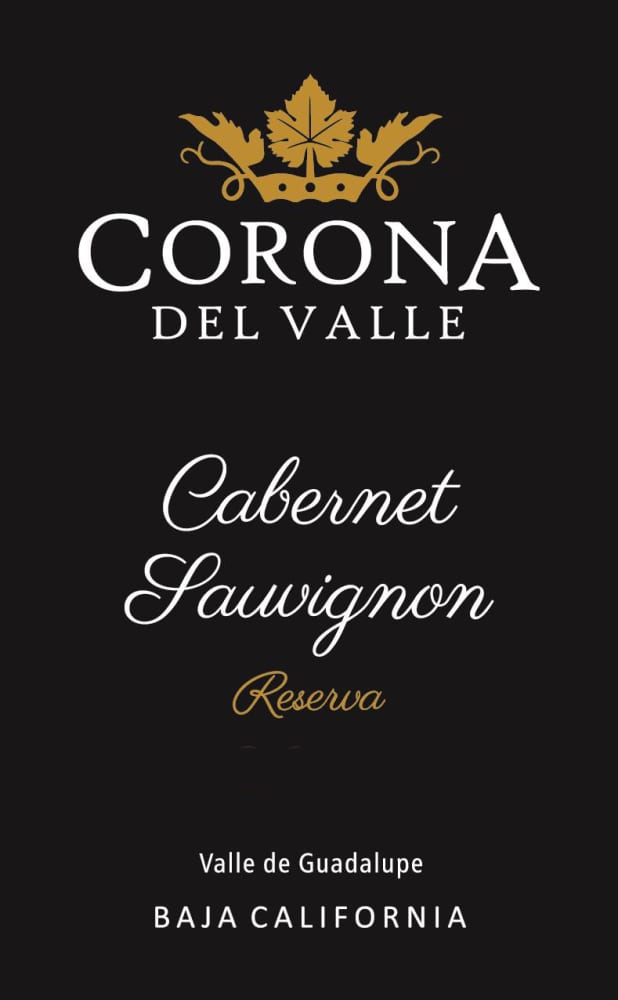


I recommend exploring a rich Cabernet Sauvignon from Napa Valley, known for its bold flavors and structured tannins. This varietal often delivers notes of blackcurrant, cedar, and tobacco, making it an excellent choice for hearty meals or cozy evenings by the fire.
Another outstanding option is a velvety Pinot Noir from Burgundy. This delicate selection is celebrated for its complexity, with aromas of cherry, rose, and earthy undertones. Perfect for pairing with poultry or mushroom dishes, it offers a refined tasting experience.
Don’t overlook a robust Malbec from Argentina, which typically features dark fruit flavors and a hint of spice. Its smooth finish complements grilled meats beautifully, making it a favorite for barbecues and gatherings.
If you’re in the mood for something unique, consider a Zinfandel from California. Known for its jammy fruit and peppery notes, this lively choice pairs well with pizza or barbecue, providing a fun and approachable flavor profile.
Top Red Wine Varieties for Beginners
I recommend starting with Merlot due to its smooth texture and approachable flavor profile. This varietal typically features notes of plum, black cherry, and chocolate, making it versatile for pairing with various dishes.
Other Notable Selections
Cabernet Sauvignon stands out for its bold character. With hints of blackcurrant, cedar, and spice, it pairs well with red meats and hearty dishes.
Pinot Noir is another excellent choice. Its lighter body and flavors of cherry, raspberry, and earthy undertones suit a wide array of cuisines, especially poultry and salmon.
Quick Comparison Table
| Varietal | Taste Profile | Food Pairing |
|---|---|---|
| Merlot | Smooth, fruity, chocolatey | Pasta, grilled chicken |
| Cabernet Sauvignon | Bold, rich, spicy | Steak, barbecue |
| Pinot Noir | Light, fruity, earthy | Salmon, duck |
Malbec offers a unique experience with its dark fruit flavors and velvety finish, making it delightful with grilled meats.
Shiraz delivers a spicy and fruity profile, perfect for those who enjoy bolder tastes. It pairs excellently with barbecue and spicy dishes.
Pairing Red Wines with Food: A Practical Guide
For a delightful dining experience, specific varietals complement certain dishes exceptionally well. A full-bodied Cabernet Sauvignon pairs beautifully with grilled meats, enhancing the flavors of a juicy steak or lamb chop. The tannins in this selection balance the richness of red meat.
Light to Medium Bodied Selections
Pinot Noir’s versatility makes it ideal for lighter fare. It matches well with roasted chicken or salmon, where its acidity and fruitiness enhance the dish without overpowering it. Merlot, with its softer tannins, complements pasta dishes featuring tomato-based sauces, creating a harmonious flavor profile.
Robust Choices
For heartier meals, consider a Syrah or Zinfandel. These bold wines excel with spicy barbecue or rich stews, providing a robust counterbalance to the flavors. A Malbec, known for its fruit-forward character, pairs nicely with spicy cuisine, such as Mexican or Indian dishes, lifting the spices while adding depth.
Understanding Tannins: Their Role in Red Wine Selection
Tannins are a fundamental component influencing my choice of a fine varietal. These naturally occurring polyphenols, found in grape skins, seeds, and stems, contribute to structure and astringency. When I taste a glass, the level of tannins significantly affects mouthfeel and overall experience.
For those new to this world, I recommend starting with wines that showcase balanced tannin profiles. A Pinot Noir typically offers lower tannin levels, making it a smooth introduction. In contrast, a Cabernet Sauvignon boasts higher tannins, providing a robust experience that can age beautifully over time.
The time spent in oak barrels can also impact tannin presence. Wines aged in oak often exhibit enhanced tannin complexity, which adds depth and character. For example, a Merlot aged in oak may present softer tannins, while a Syrah might have firmer, more pronounced tannins, resulting in a bolder palate.
When selecting a bottle, I pay attention to the intended pairing. If enjoying a hearty meal, a tannic wine like a Malbec complements rich dishes well. For lighter fare, I lean towards a Grenache, whose softer tannin structure enhances rather than overwhelms the flavors.
Understanding the role of these compounds helps refine my preferences and enhances my overall tasting experience. By considering tannin levels and their interaction with food, I can elevate my enjoyment of each pour.
How to Properly Store and Serve Red Wine
Maintain a consistent temperature between 55°F and 65°F (13°C to 18°C) for optimal preservation. Avoid direct sunlight and store bottles horizontally to keep the cork moist.
Storage Tips
- Choose a dark, cool place, such as a cellar or a dedicated wine fridge.
- Avoid vibrations from appliances and foot traffic.
- Use a hygrometer to ensure humidity levels are between 50% and 70%.
Serving Recommendations
- Decant full-bodied varieties for 30 minutes to an hour before serving to enhance aromas.
- Use proper glassware designed for specific varietals to maximize flavor experience.
- Pour at least one-third of the glass to allow for aeration, but do not fill to the brim.
Enjoying this beverage involves appreciating its complexities, so take the time to savor each sip. Keep in mind that the right serving temperature generally ranges from 60°F to 65°F (15°C to 18°C) for optimal enjoyment.