Chuck Furuya


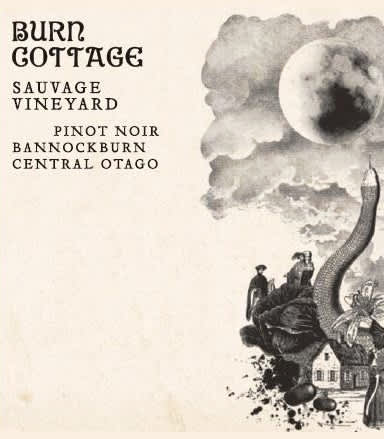
If you’re seeking a smoother experience in your glass, I recommend trying Pinot Noir. This varietal is known for its lower levels of astringency, making it a favorite among those who prefer a gentler palate. The delicate fruit flavors typically include cherry, raspberry, and earthy notes, creating an inviting profile.
Another excellent choice is Gamay, particularly from the Beaujolais region. This wine exhibits vibrant fruitiness and a juicy character, often with minimal bitterness. It pairs beautifully with a variety of dishes, thanks to its approachable nature and light body.
For those who enjoy a bolder flavor without overwhelming astringency, consider Merlot. While it can vary in style, many Merlots offer a softer tannin structure combined with lush fruit flavors, making it an enjoyable option for newcomers and seasoned enthusiasts alike.
Lastly, look into Barbera, especially wines from Italy. With its bright acidity and low tannin count, this choice delivers a refreshing taste experience, often featuring notes of red fruits and floral hints, perfect for casual sipping or food pairings.
Which Red Wine Has the Least Tannins
For a smoother experience, I recommend opting for Grenache. This varietal typically features lower astringency and offers fruit-forward flavors that make it easy to enjoy.
Another excellent choice is Pinot Noir. Known for its lighter body and delicate profile, this option rarely overwhelms the palate, making it perfect for those seeking a gentler sip.
When considering blends, look for Merlot. While it can vary, many bottles exhibit a softer texture that appeals to those who prefer milder notes without harshness.
Here are a few selections to try:
- Grenache from the Southern Rhône region
- California Pinot Noir
- Merlot from Bordeaux or Washington State
For additional variety, explore Beaujolais Nouveau, made from Gamay grapes, which often boasts low tannin levels and a fresh, fruity character.
Each of these options provides a delightful alternative for anyone looking to enjoy a glass without the bite of excessive astringency.
Understanding Tannins in Red Wine
I recommend focusing on varietals like Pinot Noir, Gamay, and Barbera for a smoother experience. These grape types naturally contain lower levels of astringent compounds, contributing to a softer palate.
Here are some key points to consider:
- Pinot Noir is often light-bodied with fruity flavors and minimal bitterness, making it a favorite for those sensitive to astringency.
- Gamay, especially from Beaujolais, offers a juicy and fresh profile, providing a pleasant drinking experience without overwhelming tannins.
- Barbera tends to be high in acidity yet low in harshness, balancing flavors beautifully while remaining approachable.
Pay attention to the winemaking process as well. Techniques such as carbonic maceration can further soften the perception of astringency. Additionally, younger vintages usually show fewer harsh characteristics compared to their older counterparts.
For those seeking a less bitter experience, consider exploring blends that feature these grape varieties. They often provide a harmonious balance and enhance drinkability.
Lastly, serving temperature can influence the perception of astringency. Slightly chilling these options may make them more enjoyable, as cooler temperatures can soften the impact of tannins.
Factors Affecting Tannin Levels in Wine
Grape variety plays a significant role in determining the astringency of a beverage. Certain cultivars, such as Pinot Noir, are renowned for their lower concentration of these compounds, while others like Cabernet Sauvignon are known for their robust profiles.
Winemaking Techniques
Techniques employed during fermentation and aging can significantly influence the presence of these compounds. Extended skin contact during maceration increases extraction, leading to higher levels in the final product. Conversely, shorter maceration periods tend to yield a smoother profile.
Environmental Factors
Climate and terroir are also crucial. Grapes grown in cooler climates often produce less astringent beverages due to slower ripening, which allows for a more balanced phenolic composition. Soil type and vineyard practices, such as irrigation and canopy management, further impact the development of these compounds.
Ultimately, understanding these elements can guide choices for those seeking a smoother drinking experience. Selecting beverages from specific grape varieties or employing particular winemaking strategies can significantly enhance enjoyment for individuals sensitive to astringency.
Top Low-Tannin Varieties
For those seeking a gentler mouthfeel, I recommend exploring Pinot Noir, a variety known for its elegance and lower astringency. This grape typically yields wines that are fruit-forward, with flavors of cherry and raspberry, making it a delightful choice for those sensitive to bitterness.
Garnacha offers another excellent option. Its juicy profile features ripe red fruit notes, complemented by a soft texture. This varietal is often enjoyed slightly chilled, enhancing its refreshing character.
Merlot stands out for its smoothness and plushness. With its dark fruit notes and velvety finish, this selection is often approachable and versatile, perfect for various pairings.
Barbera deserves attention as well. Known for vibrant acidity and low tannins, this grape presents delightful flavors of cherry and plum, making it an enjoyable option for those new to these beverages.
Lastly, consider Gamay, especially from the Beaujolais region. Its light body and fruity profile, characterized by strawberry and banana notes, make it an ideal choice for a casual gathering.
Comparing Tannin Levels: Popular Red Wines
For those seeking a smoother experience, I recommend exploring Pinot Noir and Gamay. Both of these varieties are renowned for their low astringency and fruit-forward profiles, making them enjoyable for those sensitive to bitterness. Pinot Noir, in particular, from regions like Burgundy or Oregon, showcases bright cherry and raspberry notes, while Gamay, especially from Beaujolais, offers juicy strawberry and floral aromas.
Merlot and Grenache
Merlot also stands out with its softer texture and rich plum flavors. It pairs well with a variety of dishes and is approachable for new enthusiasts. Grenache, often used in blends, provides a juicy, berry-like character with minimal harshness, perfect for casual sipping.
Tempranillo and Barbera
Tempranillo, particularly from Rioja, delivers a combination of fruit and earthy notes without overwhelming tannins. Barbera, primarily from Italy, is another excellent choice, known for its bright acidity and cherry flavors, making it food-friendly while remaining gentle on the palate.
How to Identify Low-Tannin Wines in Stores
Look for bottles made from grape varieties known for their softer profiles, such as Pinot Noir or Gamay. These tend to have fewer astringent compounds compared to others. Additionally, check labels for terms like “smooth” or “soft,” which often indicate a gentler mouthfeel.
Examine the Back Label
Pay attention to tasting notes. Descriptions highlighting berry flavors and floral aromas often suggest lower levels of bitterness. Terms like “silky” or “velvety” can also be indicators of reduced astringency.
Consider the Region
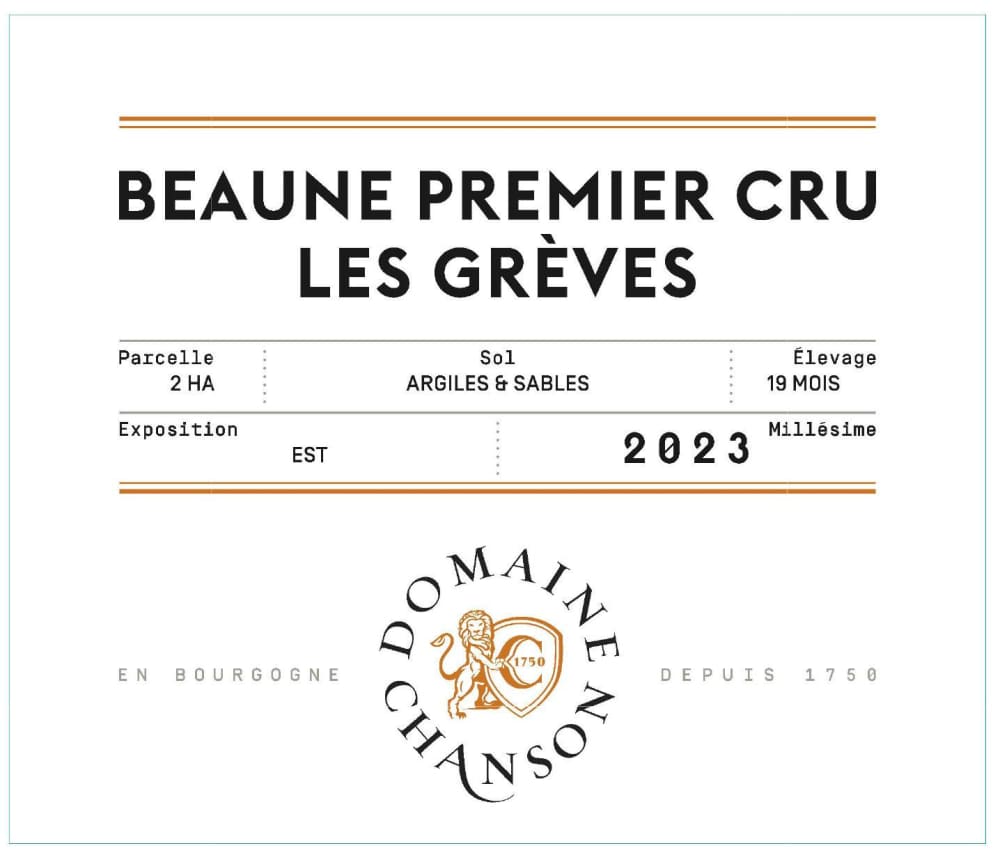
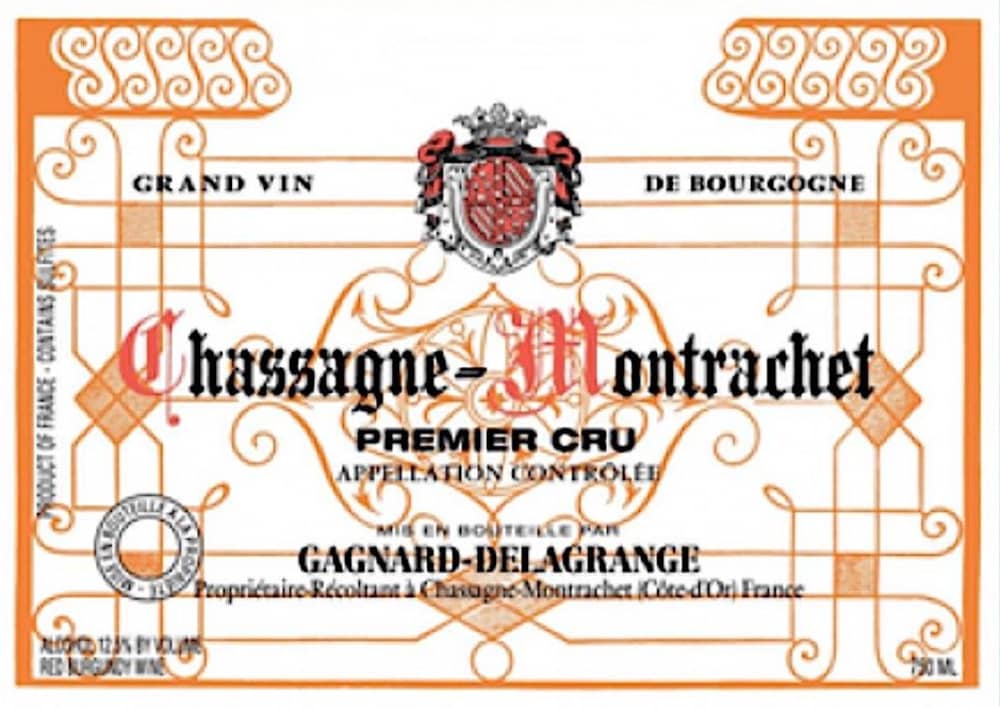
Certain regions are renowned for producing less tannic varieties. For instance, wines from cooler climates, like Burgundy, typically exhibit a more delicate structure. Seek out selections from these areas for a smoother experience.
Engage with staff in the store. Ask about recommendations for gentler options; knowledgeable employees can guide you in finding the right bottle. Don’t hesitate to sample before purchasing if available. This can provide insight into the wine’s texture and flavor profile.
Food Pairings for Low-Tannin Red Wines
For a delightful culinary experience, consider pairing low-astringency varieties with specific dishes. Here are some excellent combinations:
Cheese and Charcuterie
Soft cheeses like Brie and Camembert complement the smoother profiles. Fresh goat cheese also works well. For charcuterie, prosciutto and salami offer a nice balance without overwhelming the palate.
Grilled Meats and Vegetables
Lightly seasoned grilled chicken or turkey pairs beautifully. Vegetables such as bell peppers and zucchini enhance the flavors, especially when charred. Avoid overly spicy or heavily seasoned dishes to keep the pairing harmonious.
| Food | Wine Pairing |
|---|---|
| Brie Cheese | Pinot Noir |
| Grilled Chicken | Gamay |
| Prosciutto | Barbera |
| Fresh Goat Cheese | Merlot |
| Vegetable Skewers | Grenache |
These combinations enhance the tasting experience, allowing the flavors of both the food and the beverage to shine without clashing. Enjoy experimenting with different dishes to find your perfect match!