Chuck Furuya
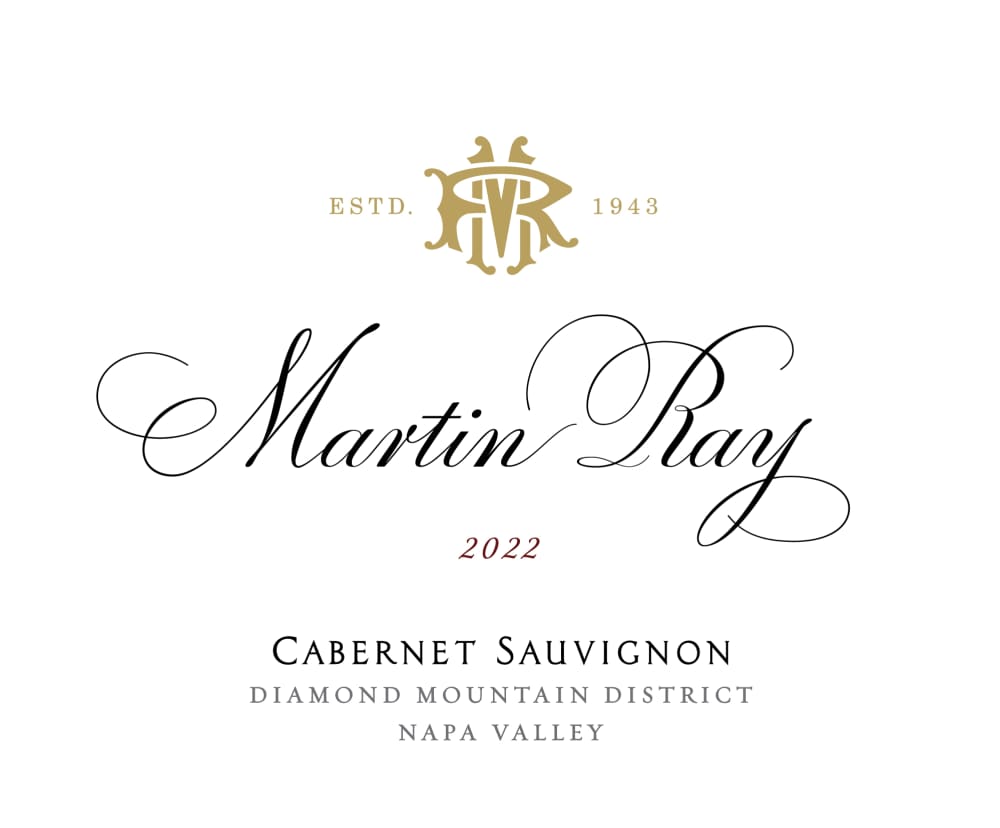

If you’re seeking robust options, I recommend trying a Cabernet Sauvignon from Napa Valley. Known for its deep flavors and high tannins, this wine can complement a variety of dishes, especially red meats.
Another excellent choice is Syrah, particularly from the Rhône Valley. Its rich, spicy profile often includes notes of dark fruits and black pepper, making it a versatile pairing for grilled foods.
For those who appreciate Italian selections, Chianti Classico stands out with its vibrant acidity and flavors of cherry and earth. This wine is a fantastic companion to pasta dishes, especially those with tomato-based sauces.
Don’t overlook Malbec from Argentina, which boasts a smooth texture and flavors of ripe berries with a hint of cocoa. It pairs wonderfully with barbecued meats and hearty stews.
Lastly, consider exploring Tempranillo from Spain, particularly from the Rioja region. Its balanced profile of fruit and oak makes it a delightful match for a variety of tapas and aged cheeses.
Popular Varieties of Dry Red Wines
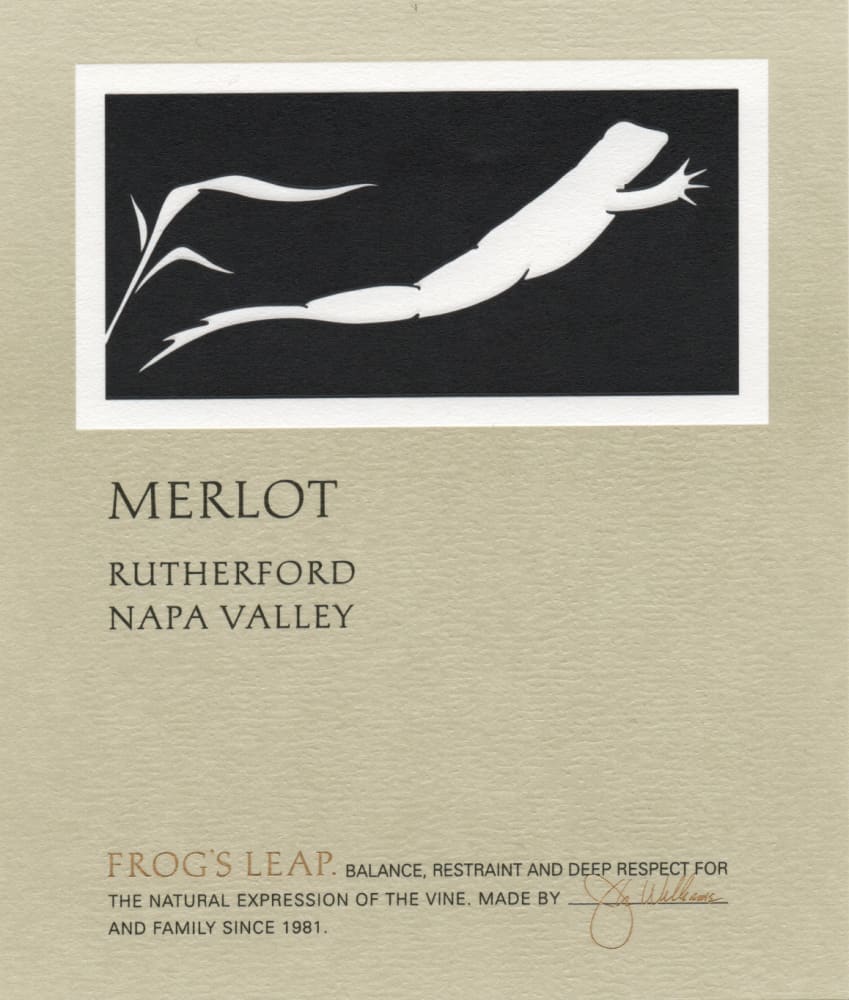
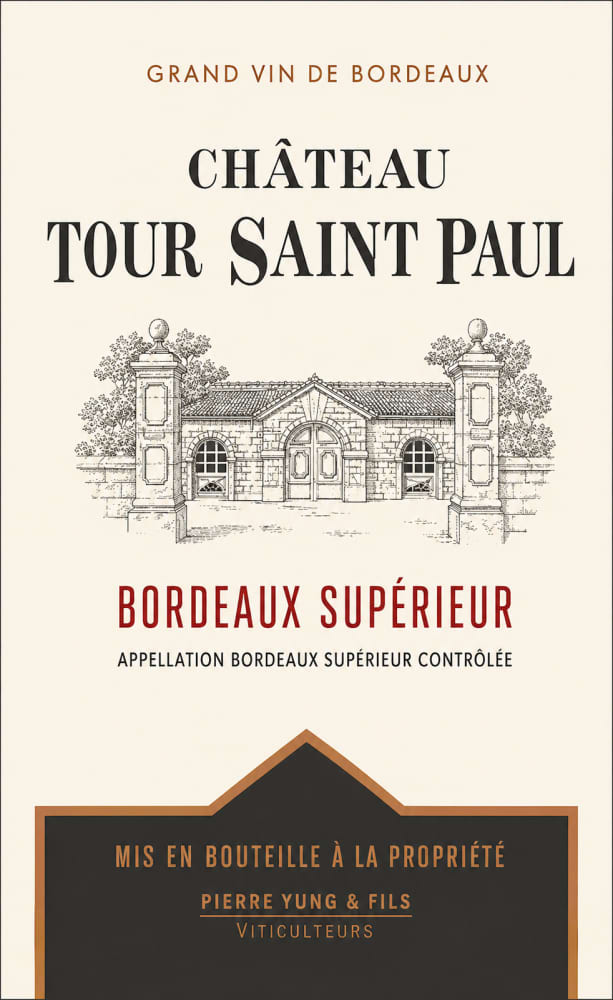
Merlot stands out for its smooth texture and approachable fruit flavors, making it a great choice for both beginners and connoisseurs. Look for bottles from Bordeaux or California for exceptional quality.
Sangiovese, primarily from Italy, showcases bright acidity and cherry notes. Chianti Classico is a renowned expression of this grape, perfect with Italian cuisine.
Cabernet Sauvignon
Cabernet Sauvignon delivers bold tannins and rich dark fruit characteristics. Napa Valley offers some of the finest examples, often complemented by oak aging, enhancing complexity.
Syrah/Shiraz
Syrah, known as Shiraz in Australia, brings a mix of spice and dark berries. Wines from the Rhône Valley exhibit peppery notes, while Australian versions can be more fruit-forward.
Tempranillo, the backbone of many Spanish wines, offers a unique profile with leather and plum flavors. Rioja is a classic region to explore this varietal.
Finally, Malbec from Argentina is known for its dark fruit and velvety finish. It’s an excellent pairing for grilled meats, showcasing the wine’s robust character.
Characteristics of Cabernet Sauvignon
Cabernet Sauvignon captivates with its bold profile and complexity. I often find its deep ruby color alluring, hinting at the richness within. On the nose, expect an explosion of ripe dark fruits like blackberry, blackcurrant, and a touch of plum, often accompanied by notes of cedar, tobacco, and vanilla from oak aging.
The palate reveals a full-bodied experience, where tannins are prominently structured yet smooth, providing a robust mouthfeel. I appreciate the wine’s balance between acidity and tannin, creating a lingering finish that invites another sip. Flavors of dark chocolate, green bell pepper, and sometimes herbal undertones can emerge, adding layers to the tasting experience.
Food pairings are versatile. I recommend enjoying this varietal with grilled meats, hearty stews, or rich cheeses. It complements flavors beautifully, enhancing a meal’s overall enjoyment. The age potential is remarkable; many bottles develop further complexity over time, allowing me to revisit them years later with newfound appreciation.
This varietal thrives in various regions, from California to Bordeaux, each imparting unique characteristics based on terroir. Whether bold and fruit-forward or more restrained and earthy, Cabernet Sauvignon remains a favorite of mine for its consistent quality and depth.
Exploring Merlot: Flavor Profiles and Regions
Merlot stands out for its soft texture and approachable style. This varietal showcases a range of flavor profiles depending on its origin. I recommend trying Merlot from the following renowned regions:
- Bordeaux, France: Here, Merlot is often blended with Cabernet Sauvignon, resulting in a wine with plum, black cherry, and earthy notes.
- Napa Valley, California: Expect ripe fruit flavors like blackberry and cherry, with a hint of vanilla from oak aging.
- Tuscany, Italy: Known as “Merlot Toscana,” this variant features bright acidity and herbal notes alongside dark fruit.
- Chile: Merlot from regions like Colchagua Valley is rich and fruity, with chocolate undertones.
Tasting Notes
When savoring Merlot, I often find:
- Fruit flavors: Ripe plum, cherry, and dark berries.
- Herbal elements: Subtle hints of mint or eucalyptus.
- Spice: A touch of black pepper or clove can enhance the experience.
- Texture: Smooth tannins give it a velvety mouthfeel.
Food Pairings
To complement a glass of Merlot, consider these pairings:
- Grilled meats: Lamb or steak works beautifully.
- Pasta dishes: Especially those with tomato-based sauces.
- Cheeses: Try it with aged cheddar or brie.
Exploring Merlot reveals its versatility and charm, making it a delightful choice for various occasions.
Tempranillo: Key Attributes and Food Pairings
Tempranillo offers a rich profile characterized by its medium to full body, moderate acidity, and soft tannins. Aromas often include cherry, plum, tobacco, and leather, while its flavor extends to earthy notes and hints of vanilla from oak aging.
This varietal excels with a range of dishes. Grilled meats, especially lamb and beef, complement its robust nature. I’ve found that pairing it with aged cheeses enhances the wine’s complexity. Additionally, tomato-based dishes, such as paella or lasagna, harmonize beautifully with its acidity.
For a delightful experience, serve Tempranillo slightly below room temperature, around 60-65°F (15-18°C). This temperature allows the intricate flavors to unfold. Enjoying it with friends during a hearty meal creates a memorable dining experience.
Whether exploring Spanish cuisine or savoring a charcuterie board, Tempranillo stands out as a versatile choice that elevates any gathering.
Understanding Syrah/Shiraz: A Comprehensive Guide
For those intrigued by bold, full-bodied selections, Syrah/Shiraz stands out. This varietal boasts a rich history and a diverse range of flavor profiles, depending on its origin.
Regions that excel in producing exceptional Syrah/Shiraz include:
- Côte Rôtie and Hermitage in the Northern Rhône, France
- Barossa Valley and McLaren Vale in Australia
- Columbia Valley in Washington State, USA
When tasting a glass of this varietal, expect to encounter:
- Dark fruit notes like blackberry and plum
- Spices, including black pepper and licorice
- Earthy undertones, often reminiscent of leather or smoke
Pairing suggestions that complement its robust character include:
- Grilled meats, such as lamb or beef
- Rich stews with complex spices
- Hearty cheeses, particularly aged varieties
For a unique tasting experience, consider exploring the differences between the Syrah and Shiraz nomenclature. While both refer to the same grape, the name “Shiraz” typically indicates a fruit-forward, approachable style often found in Australia. In contrast, “Syrah” may lean towards more complex, structured expressions characteristic of the Old World.
Whether enjoyed alone or paired with a delectable meal, Syrah/Shiraz consistently delivers a memorable tasting experience, making it a worthy addition to any wine collection.