Chuck Furuya


Begin by examining the appearance of the liquid. Hold the glass against a white background to assess its color intensity and clarity. Look for hues ranging from deep purple to garnet, noting any variations that might indicate age or grape variety.
Next, bring the glass to your nose. Swirl gently to release the aromas, then take a moment to identify the scents. Look for fruity notes, floral hints, or earthy undertones. Each aroma tells a story about the origin and production methods of the beverage.
Take a small sip, allowing the liquid to coat your palate. Focus on the flavors that emerge–these may include dark fruits, spice, or oak. Pay attention to the texture, whether it feels silky, tannic, or velvety. Consider the finish: does the taste linger or dissipate quickly? This can reveal much about the quality and complexity of the drink.

As you evaluate, keep in mind factors like acidity and balance. A well-crafted selection will harmoniously blend these elements, enhancing the overall experience. Document your impressions for future reference, as this practice sharpens your ability to discern nuances in subsequent tastings.
Evaluating a Glass of Burgundy
Observe the color first. Tilt the glass slightly and examine the edge against a white background. A deep ruby hue indicates youth, while garnet or brick shades suggest age. This visual cue can hint at the complexity you might encounter.
Aroma Assessment
Swirl the liquid gently to release its bouquet, then take a moment to inhale deeply. Identify the specific scents. Common notes include dark fruits like blackberry or plum, alongside earthy undertones, spices, or even floral hints. Jot down your impressions to compare with others.
Flavor Profile Analysis
Take a small sip and let it linger on your palate. Focus on the initial taste, mid-palate sensations, and finish. Is it fruity, oaky, or spicy? Note the acidity level–does it feel crisp or soft? Pay attention to tannins; do they feel smooth or astringent? Record your observations for a thorough evaluation.
| Characteristic | Description |
|---|---|
| Color | Deep ruby to garnet |
| Aroma | Fruity, earthy, spicy |
| Flavor | Fruity, oaky, with tannin presence |
| Finish | Length and complexity |
By concentrating on these elements, I cultivate a deeper appreciation for the complexities within each glass.
Selecting the Right Glass for Wine Sampling
For optimal enjoyment, I choose a glass with a wide bowl and a tapered rim. This design enhances aroma concentration and allows for better swirling, which is crucial for releasing complex scents. A bowl diameter of about 4 to 5 inches is ideal, allowing the liquid to breathe while maintaining the fragrance.
Material Matters
I prefer crystal glasses over regular glass. Crystal enhances clarity and brilliance, providing a more refined experience. The thin rim of crystal also contributes to a more delicate sip, allowing flavors to unfold on the palate.
Size and Shape
A larger glass is beneficial for many varieties. It allows for more air exposure, which is essential for the development of aromas. The typical capacity should be around 12 to 20 ounces, providing enough space for swirling without spilling. The shape should also facilitate a focused delivery of scents, helping me identify the nuances in each sip.
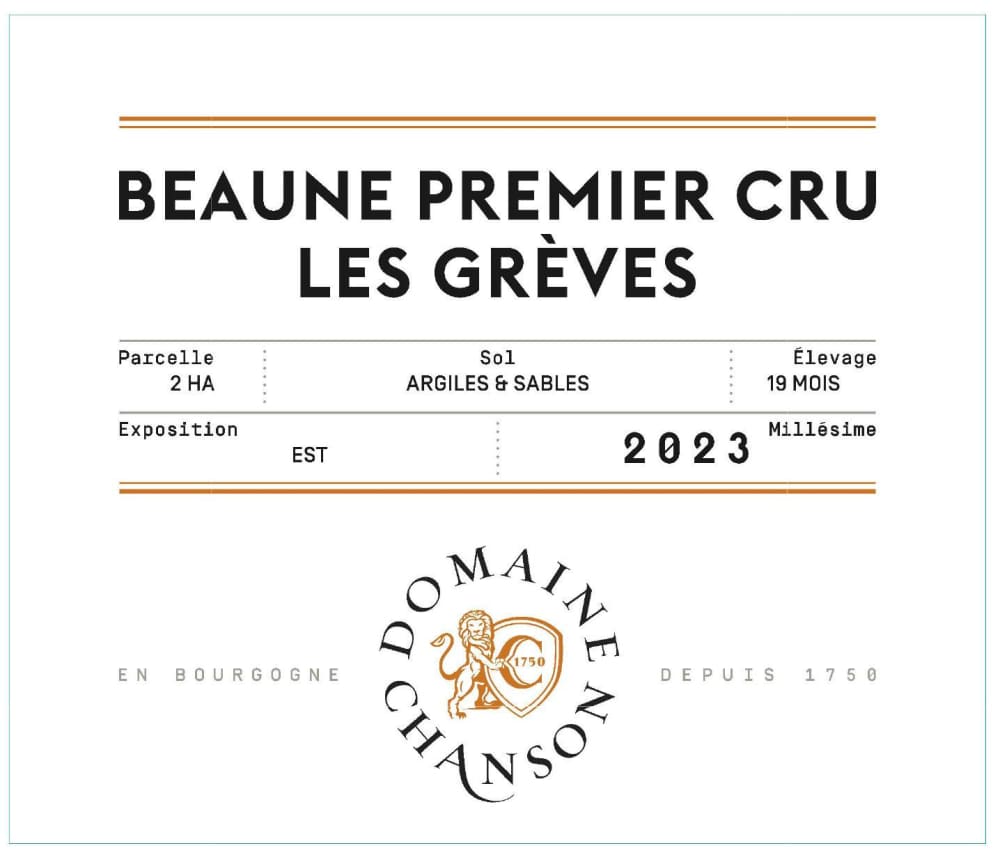
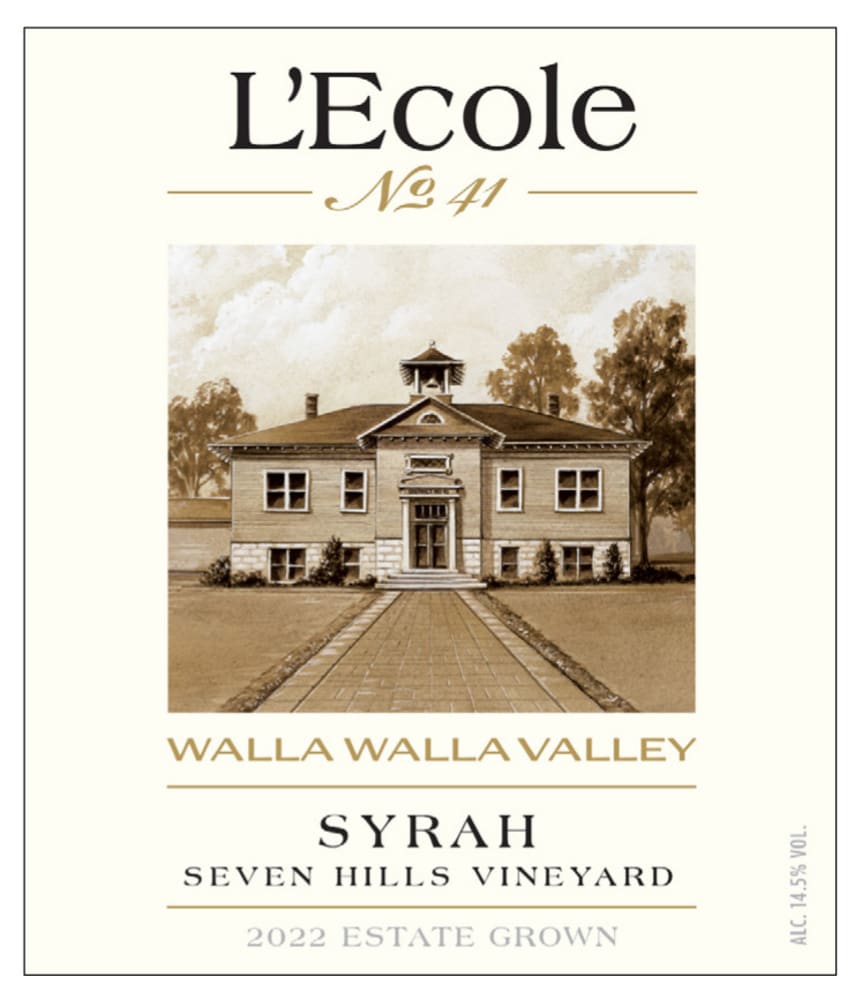
Understanding Wine Labels and Varietals
Familiarize yourself with the key components found on a bottle’s label. This information reveals much about the content inside.
- Varietal: Indicates the type of grape used. Common varieties include Cabernet Sauvignon, Merlot, and Pinot Noir. Each varietal has distinct flavors and characteristics.
- Region: The area where the grapes are grown significantly influences the flavor profile. Notable regions for reds include Bordeaux, Napa Valley, and Tuscany.
- Vintage: The year the grapes were harvested. Weather conditions during that year can affect the quality and taste.
- Producer: The winery or estate that crafted the beverage. Researching specific producers can lead to discovering personal favorites.
Pay attention to terms like “Reserve” or “Grand Cru.” These often denote higher quality or specific vineyard designations, though regulations vary by region.
When exploring different varietals, consider creating a tasting chart. Note the color, aroma, and flavor of each sample to track your preferences and discoveries.
- Begin with lighter options, such as Pinot Noir, progressing to fuller-bodied choices like Cabernet Sauvignon.
- Identify flavor notes within each glass. Common descriptors include berry, spice, or oak.
- Use your tasting notes to guide future selections, refining your palate over time.
Understanding these aspects will enhance your appreciation and enjoyment of each pour. It’s a direct route to becoming well-versed in the complexities of this delightful beverage.
Steps to Properly Swirl and Sniff Red Wine
To enhance the aromatic experience, hold the glass by the stem. This prevents body heat from warming the liquid, preserving its ideal temperature.
Begin by gently swirling the glass. A smooth motion will allow the liquid to coat the inner walls, releasing volatile compounds. Focus on a circular motion, ensuring the wine moves freely without splashing.
Observing the Viscosity
After swirling, observe the legs formed on the glass. These streaks provide insight into the wine’s viscosity and alcohol content. Thicker legs often indicate a fuller-bodied option, while thinner legs suggest a lighter profile.
Sniffing Techniques
Bring the glass to your nose for a thorough sniff. Inhale gently through your nose, allowing the aromas to envelop your senses. Start with short, quick breaths to catch the initial scents. Then, take deeper inhales to explore the more complex layers of fragrance.
Take note of the aromas you detect. Common scents can range from fruity notes like cherry or blackberry to earthy tones such as leather or tobacco. Identifying these nuances enriches the overall experience.
Repeat the swirling and sniffing process, as each rotation can reveal different aspects of the bouquet. Each breath might uncover new scents, creating a more profound appreciation of the characteristics involved.
Identifying Flavor Profiles and Aromas
I focus on specific characteristics to pinpoint the flavor profiles and aromas of a particular vintage. First, I take note of the scent. Swirling the glass releases volatile compounds, enhancing my ability to detect nuances. I inhale deeply, searching for primary notes like dark fruits, spices, or earthy elements.
Common Aromas
Fruits often reveal the wine’s origin. For example, I recognize blackberry and plum in fuller-bodied selections, while cherry or raspberry may indicate lighter offerings. Spicy notes such as pepper or clove suggest a blend that includes Syrah or Zinfandel. Additionally, herbal hints like mint or eucalyptus can indicate specific regions or varietals.
Evaluating the Palate
When sipping, I pay attention to the mouthfeel and flavor intensity. Tannins contribute to structure; a smoother texture indicates a more aged option, while a more astringent feel suggests youth. I also consider acidity; a balanced acidity enhances freshness, while too much can overpower the palate. As the flavors unfold, I look for layers–initial impressions, mid-palate complexities, and lingering finish. This progression often reveals the craftsmanship behind the vintage.
By honing in on these aspects, I gain a richer understanding of each selection’s unique identity. This practice not only elevates my appreciation but also sharpens my ability to describe and recommend various options effectively.