Chuck Furuya


To fully appreciate the nuances of your chosen beverage, I recommend letting it breathe at a slightly elevated temperature, ideally between 60°F and 65°F (15°C to 18°C). This range allows the complex flavors and aromas to bloom, enhancing the overall tasting experience.
When enjoyed at this temperature, the subtle notes of fruit and spice become more pronounced, creating a richer sensory experience. I find that many enthusiasts prefer this method, as it complements the beverage’s tannins and acidity, offering a balanced profile that is often lost when chilled.
To achieve the desired warmth, consider simply removing the bottle from the cooler or cellar a short while before serving. Alternatively, if you’re in a hurry, holding the glass in your hands can gently raise the temperature, allowing you to savor each sip to its fullest potential.
Optimal Temperature for Enjoying This Beverage
Serving this type of beverage at a temperature between 60°F and 65°F (15°C to 18°C) allows the flavors to open up, enhancing the tasting experience. At these temperatures, the aromas become more pronounced, and the palate can appreciate the complexity of the notes present.
Flavor Profiles and Temperature Impact
At cooler temperatures, the richness can be masked, leading to a muted flavor profile. Conversely, overheated liquids can exaggerate tannins, resulting in an unbalanced experience. Finding that sweet spot is key to appreciating the full spectrum of flavors, from fruity to earthy notes.
Serving Recommendations
To achieve the ideal temperature, I recommend pulling the bottle from the cellar about 30 minutes before serving. If it’s too warm, a quick chill in the refrigerator for 15-20 minutes can help. For those without a wine fridge, a bucket of ice water can also work wonders. Remember, the goal is to create an inviting experience that showcases the unique characteristics of each pour.
Understanding the Ideal Temperature for Red Wine
The optimal range for enjoying this beverage is typically between 55°F and 65°F (13°C to 18°C). This temperature enhances the aromatic profile and flavor complexity, allowing the characteristics to shine through.
Temperature Guidelines
- Light-bodied varieties, such as Pinot Noir, are best enjoyed around 55°F (13°C).
- Medium-bodied options, like Merlot, thrive at approximately 60°F (15°C).
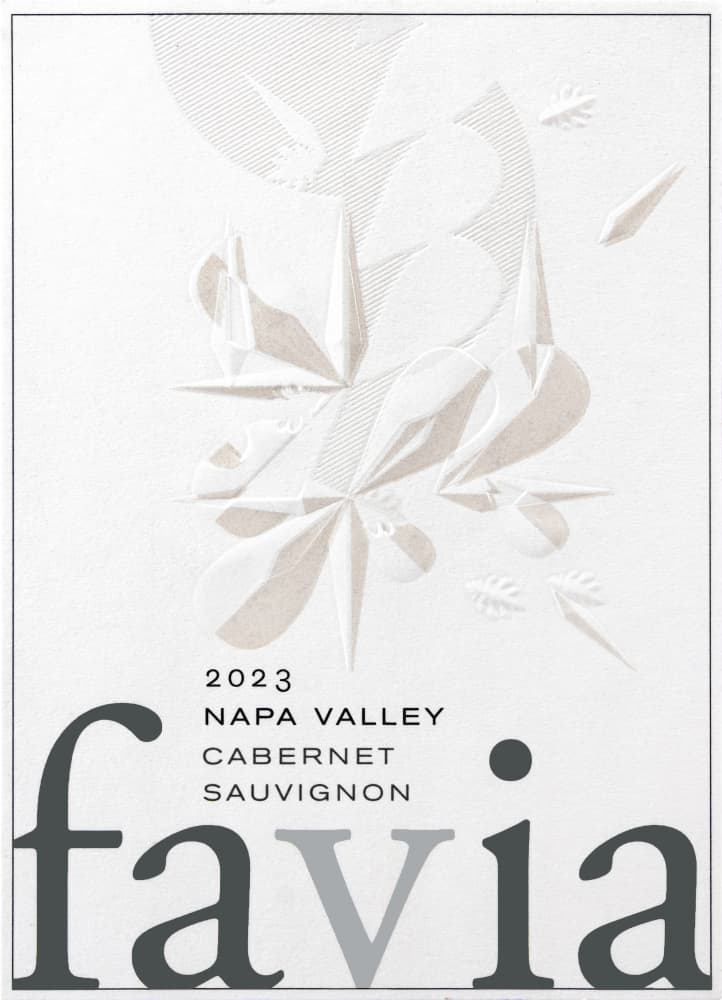
- Full-bodied selections, such as Cabernet Sauvignon, are ideal at around 65°F (18°C).
Impact of Temperature on Flavor
Serving at the right temperature affects the perception of acidity, tannins, and sweetness:
- Colder temperatures can mute flavors, making the experience less enjoyable.
- Warmer conditions can amplify tannins, leading to a more pronounced astringency.
- The right warmth allows for a balanced expression of fruit and earthiness.
Choosing the appropriate temperature can transform the experience, ensuring that every sip is appreciated. Consider using a thermometer for precise measurement or let the bottle sit out for about 30 minutes after refrigeration to reach the desired warmth.
The Impact of Temperature on Flavor Profiles
I recommend serving your favorite variety at a temperature between 60°F and 65°F (15°C to 18°C). At this range, the subtleties of the bouquet become more pronounced, allowing the complexity of aromas to emerge. Cooler temperatures can mask the depth of flavors, while excessive warmth may lead to a loss of balance, making the experience less enjoyable.
The interaction of temperature with phenolic compounds and acids significantly alters perception. For instance, tannins soften at higher temperatures, enhancing the mouthfeel. Conversely, lower temperatures can emphasize acidity, providing a refreshing edge that can be delightful but might overshadow the wine’s richer notes.
When chilled slightly, fruit-forward characteristics emerge more clearly, while warmth promotes the development of earthy and spicy elements. This transformation can be particularly captivating, as it allows for a dynamic tasting experience, inviting exploration of the evolving profile as the drink reaches optimal warmth.
To truly appreciate the intricate layers, consider experimenting with a gradual increase in temperature. Start at a cooler setting, then let the beverage breathe. Observing the gradual changes in flavor will deepen your understanding and enjoyment, revealing new nuances with each sip.
In summary, the chosen temperature plays a critical role, guiding the flavors and aromas that define the overall tasting experience. Adjusting this element can lead to a profound appreciation for the complexities within each pour.
Common Misconceptions About Serving Temperature
Many believe that all varieties of red beverages must be enjoyed at room temperature. This is misleading. The ideal range typically falls between 55°F and 65°F (13°C to 18°C). Opting for a temperature above this range can lead to an overpowering alcohol presence, overshadowing the intended flavors.
Myths Surrounding Temperature
Another common myth is that chilling any type of red drink ruins its taste. In fact, a slight chill can enhance the experience for lighter styles, making them more refreshing. It’s essential to recognize that not all types are created equal; heavier options can benefit from being slightly warmer, while lighter nuances shine at cooler temperatures.
Understanding Personal Preferences
Personal taste plays a significant role. Some individuals may prefer a slightly warmer or cooler beverage based on their palate. Experimentation is key. Tasting various selections at different temperatures can lead to discovering preferred profiles. This approach allows for a richer appreciation of the complexities each variety has to offer.
How to Properly Warm Your Beverage
To achieve the right temperature for your drink, I recommend using a few effective methods:
1. Gentle Heating
- Place the bottle in a bucket filled with warm water for about 15-20 minutes. Ensure the water is not boiling, as excessive heat can alter flavors.
- Alternatively, wrap a warm cloth around the bottle for a few minutes to gradually raise its temperature.
2. Using a Decanter
- Pour the liquid into a decanter. The increased surface area allows for faster warming through ambient air.
- Leave the decanter at room temperature for a short period, stirring occasionally to enhance heat absorption.
Keep a thermometer handy to monitor the temperature, aiming for a range between 60°F and 65°F (15°C to 18°C). This method ensures a pleasant tasting experience without compromising integrity.
Best Varieties for Elevated Temperatures
For a delightful tasting experience, I recommend focusing on the following grape types that thrive when enjoyed at slightly higher temperatures.
| Variety | Optimal Temperature (°F) | Flavor Profile |
|---|---|---|
| Merlot | 60-65 | Soft tannins, plummy fruit, hints of chocolate |
| Syrah/Shiraz | 60-65 | Bold flavors, dark berries, spicy undertones |
| Tempranillo | 62-68 | Cherry notes, earthy nuances, leather |
| Cabernet Sauvignon | 62-68 | Rich blackcurrant, cedar, herbal hints |
| Malbec | 60-65 | Dark fruit flavors, smoky finish, velvety texture |
Each of these selections offers a unique profile that benefits from the warmth, enhancing their complexities and aromas. Experimenting with these varieties can lead to a richer tasting experience, allowing for subtle flavors to emerge beautifully.