Chuck Furuya

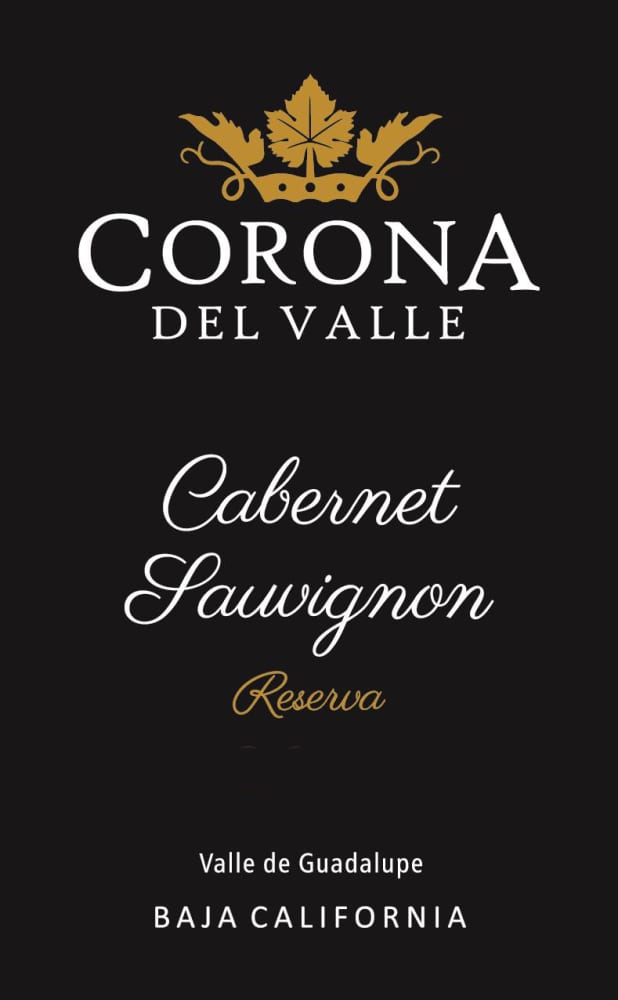
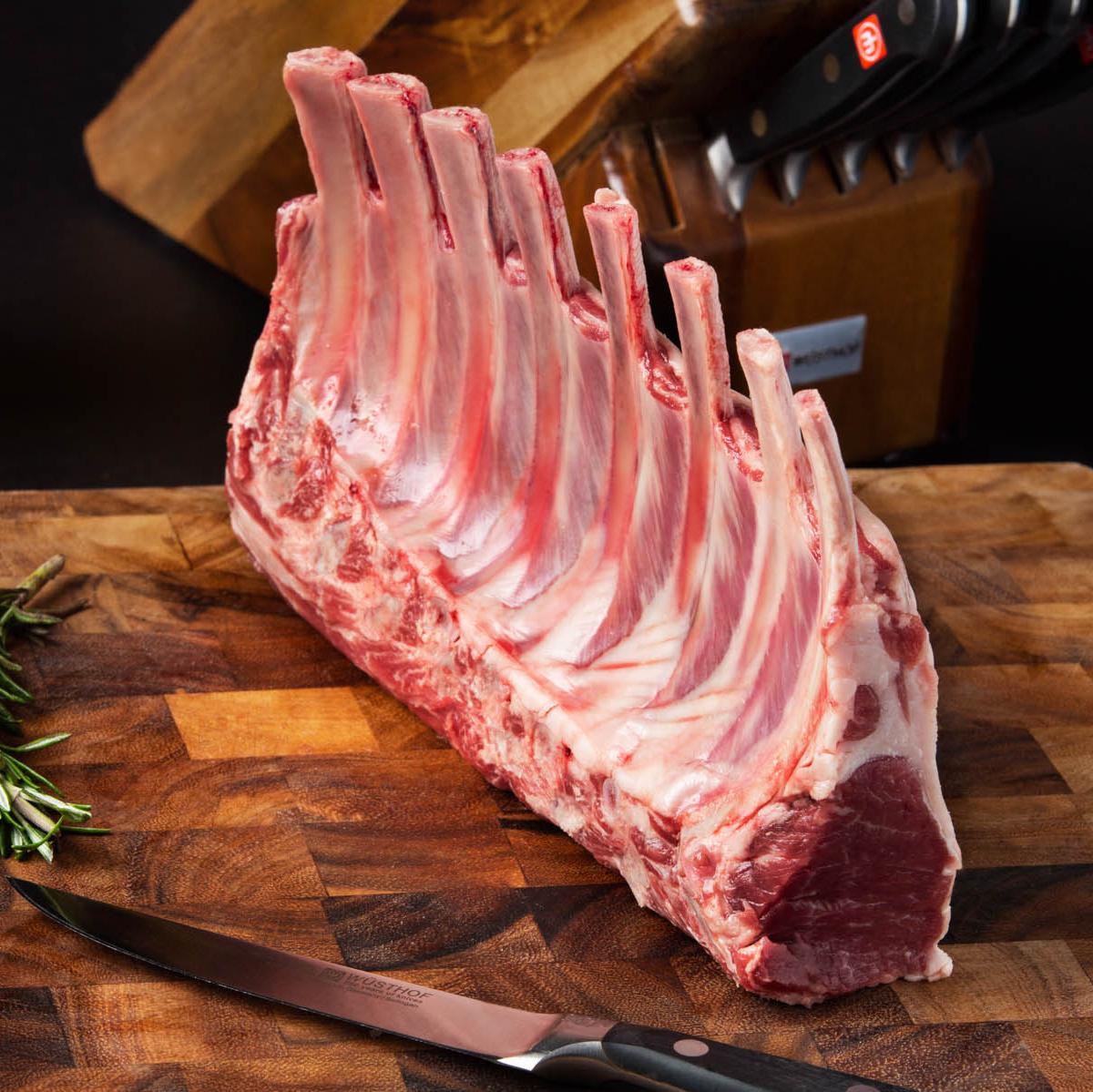
Opt for a Cabernet Sauvignon or a Syrah to complement the rich flavors of your dish. These varieties bring forth robust tannins and deep fruit notes that enhance the savory characteristics of the meat.
If you prefer something with a touch of sweetness, consider a Merlot. Its softer profile and fruit-forward nature create a beautiful contrast, allowing for a harmonious balance on the palate.
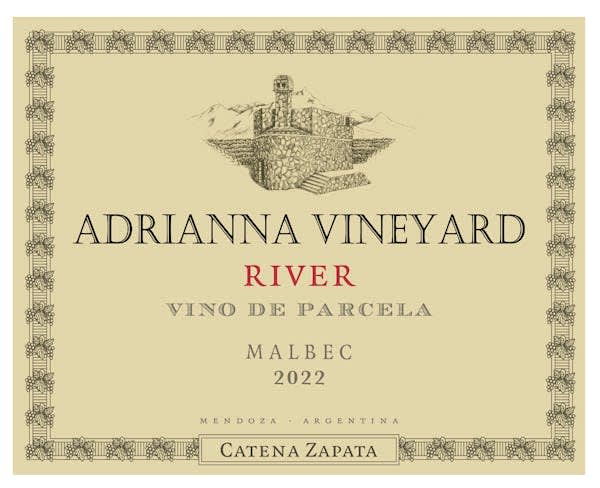
For a more adventurous pairing, try a Malbec. This choice offers earthy undertones and dark fruit flavors that mirror the flavors inherent in lamb, making for an exciting dining experience.
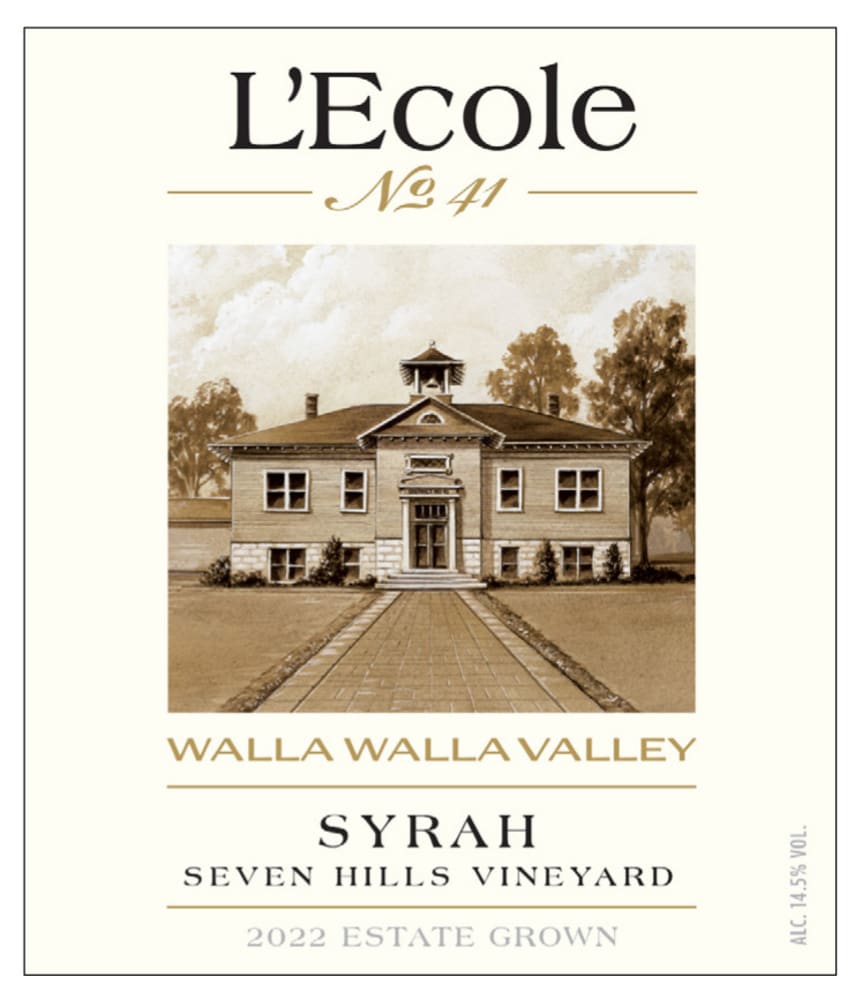
Don’t overlook Tempranillo, which provides a spicy kick and a hint of leather, perfectly complementing the dish’s complexity. Whether grilled or roasted, this wine will elevate your meal.
Pairing Suggestions for Lamb Dishes
For a delightful pairing, I recommend opting for a full-bodied Cabernet Sauvignon. Its robust tannins and dark fruit notes complement the richness of the meat beautifully.
Alternative Choices
If you prefer something a bit different, consider a Syrah or Shiraz. These wines offer spicy undertones that enhance the savory flavors of lamb dishes.
Another excellent choice is a Merlot. Its softer tannins and plum flavors provide a nice balance to the dish, making it a versatile option.
Serving Tips
Serve these selections at a temperature of around 60-65°F (15-18°C) to fully appreciate their aromas and flavors. Decanting for about 30 minutes before serving can also enhance the tasting experience.
| Wine Type | Tasting Notes |
|---|---|
| Cabernet Sauvignon | Rich, dark fruits, strong tannins |
| Syrah/Shiraz | Spicy, bold flavors, fruity undertones |
| Merlot | Soft tannins, plummy, velvety finish |
Choosing the Right Wine for Grilled Lamb
For grilled cuts of sheep, I recommend a full-bodied Merlot or a robust Syrah. The fruitiness of Merlot complements the smoky flavors perfectly, while the peppery notes of Syrah enhance the seasoning of the meat.
If I’m feeling adventurous, I might opt for a Tempranillo. Its earthy undertones and ripe dark fruit harmonize beautifully, especially when herbs like rosemary are involved in the marinade.
Aged Cabernet Sauvignon is another excellent choice. The tannins soften with grilling, allowing its rich complexity to shine alongside the charred exterior of the meat.
For a lighter option, I often turn to a Grenache. Its juicy berry profile pairs well with the succulent texture, making it a delightful match for a summer barbecue.
In cases where the dish features a fruity glaze or sauce, I might choose a Zinfandel. Its sweetness and bold fruit flavors can balance the richness of the dish seamlessly.
Experimenting with these selections can lead to a memorable meal. Each option brings distinct qualities to the table, enhancing the overall experience.
Pairing Red Wine with Slow-Roasted Lamb
For slow-roasted lamb, I recommend a full-bodied Syrah or a robust Cabernet Sauvignon. These varietals complement the richness of the meat, enhancing its flavors.
Syrah Characteristics
Syrah, especially from regions like the Rhône Valley or Australia, offers dark fruit notes and spice that harmonize beautifully with the savory profile of the dish. The tannins are firm yet smooth, providing a balanced mouthfeel.
Cabernet Sauvignon Attributes
Choosing a Cabernet Sauvignon brings forth deep berry flavors, complemented by hints of oak and vanilla from barrel aging. This pairing elevates the succulent nature of the lamb, making each bite more enjoyable.
- Consider a Syrah from Barossa Valley for a bold match.
- A Napa Valley Cabernet Sauvignon adds depth and complexity.
- Look for bottles with a higher tannin content to cut through the richness.
- Opt for wines aged in oak to enhance the flavor profile.
In conclusion, both Syrah and Cabernet Sauvignon create an exceptional dining experience alongside slow-roasted lamb, allowing the flavors to shine while providing a harmonious balance.
Best Red Wines for Lamb Chops
For pairing with lamb chops, I recommend a Malbec. Its rich fruitiness and velvety texture complement the savory flavors beautifully. Another excellent choice is a Syrah, showcasing bold spices and dark fruit, perfect for enhancing the dish’s complexity.
Top Selections
- Malbec: Look for options from Argentina, which often offer plum and blackberry notes.
- Syrah/Shiraz: Australian Shiraz is known for its peppery characteristics, while French Syrah provides a more subdued, earthy flavor.
- Cabernet Sauvignon: A full-bodied choice, especially those from Napa Valley, can stand up to the rich nature of the meat.
- Grenache: This varietal brings a lighter profile but still pairs well, especially if the preparation includes herbs.
Serving Tips
- Decant the wine for at least 30 minutes to allow the flavors to open up.
- Serve at a temperature of around 60-65°F for optimal taste.
- Consider the seasoning of the meat; wines with herbal notes can enhance dishes with rosemary or mint.
Each of these selections can elevate the dining experience, creating a harmonious balance between the meat’s richness and the wine’s character.
Understanding Tannins and Their Impact on Lamb
Tannins play a significant role in enhancing the flavor profile of various meats, particularly in dishes featuring succulent cuts of sheep. When selecting a drink to accompany this dish, it’s essential to consider the level of tannins present in the beverage. High-tannin options, such as Cabernet Sauvignon or Syrah, provide a robust structure that complements the richness of the meat.
These compounds interact with proteins and fats, softening the mouthfeel while intensifying the overall experience. For dishes like roasted or grilled cuts, the astringency from tannins can balance the juiciness and enhance the savory notes. A well-aged bottle, with its mellowed tannins, can further elevate the pairing, allowing the flavors to meld seamlessly.
For more delicate preparations, like lamb shanks or braised dishes, medium-tannin varieties such as Merlot or Tempranillo can provide a harmonious balance without overpowering the dish. The fruit-forward characteristics of these selections complement the dish’s subtle spices and herbal elements.
Ultimately, understanding the role of tannins allows for informed choices that enhance the dining experience, ensuring that every sip and bite harmonizes beautifully.