Chuck Furuya
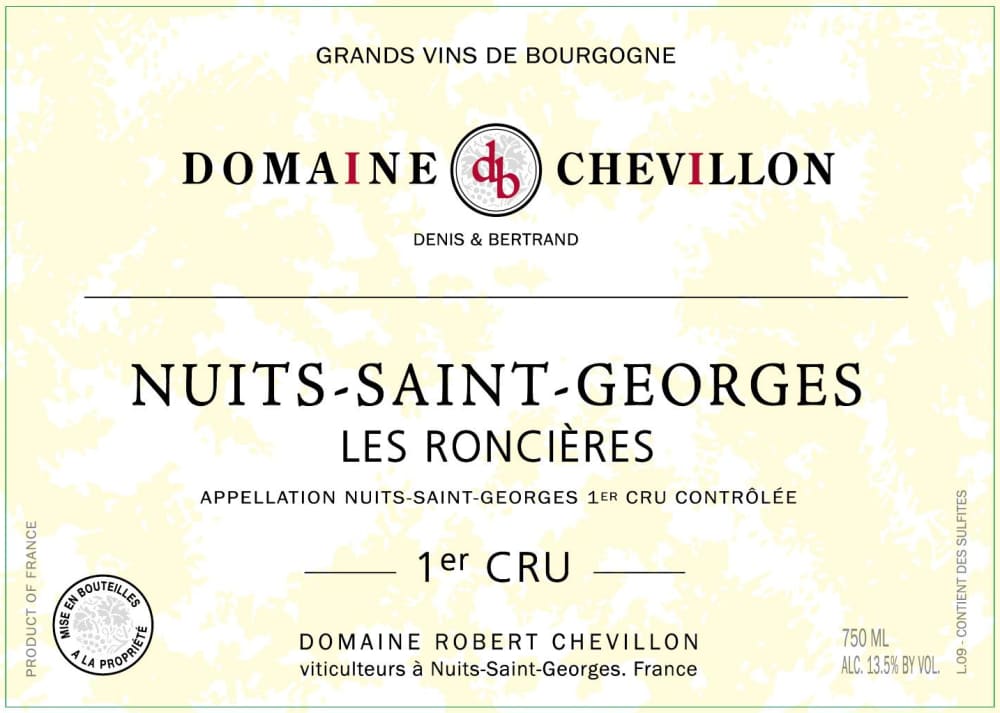
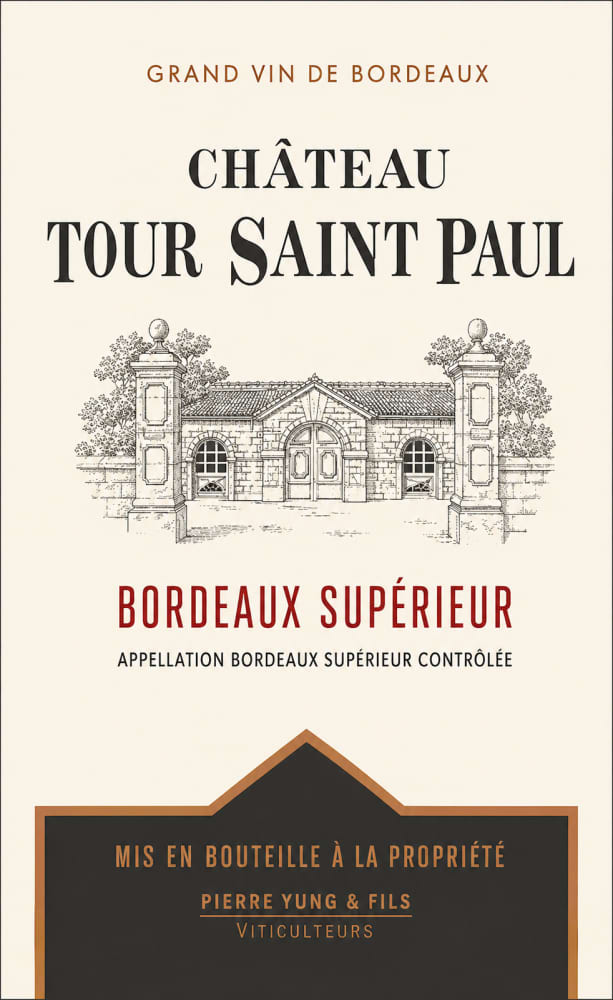
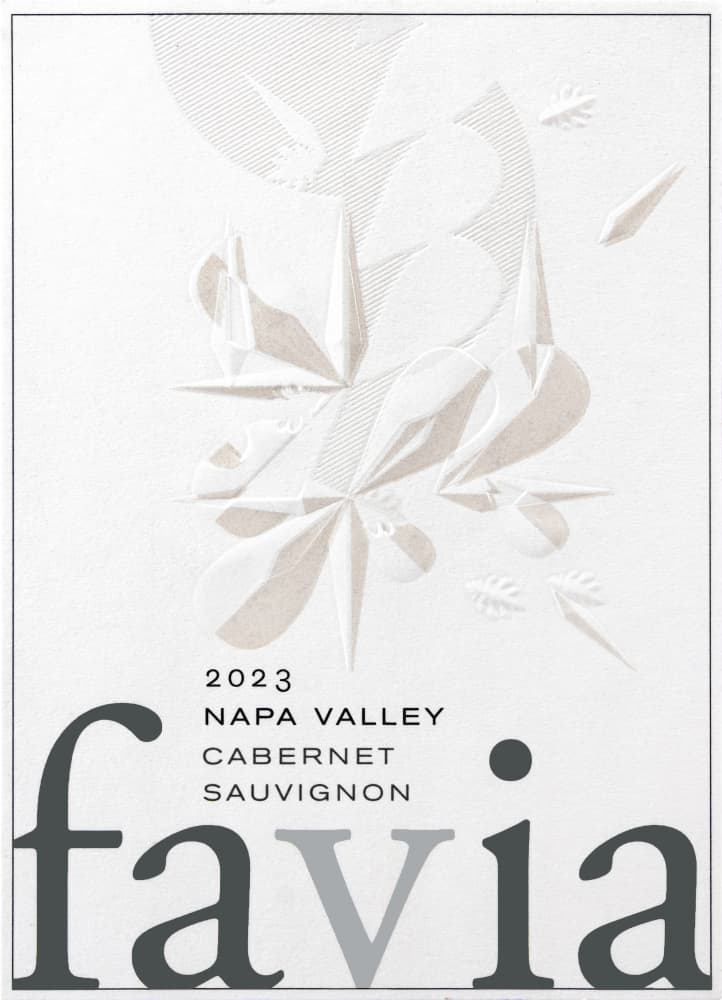
The ideal companion for a succulent cut of beef is a full-bodied Cabernet Sauvignon. Its robust tannins and rich fruit flavors enhance the savory depth of the meat, creating a harmonious dining experience. I often recommend a Napa Valley Cabernet for its bold character and structure, which beautifully balances the richness of the dish.
Another excellent choice is a Malbec from Argentina. This varietal offers dark fruit notes and a hint of spice, complementing the savory, juicy qualities of the beef. The plush mouthfeel of Malbec can elevate the flavors, making each bite more enjoyable.
If you prefer a bit more complexity, consider a Syrah or Shiraz. These wines, known for their peppery undertones and dark berry flavors, can create an intriguing contrast to the savory notes of the meat. Their boldness ensures that they stand up to the richness of prime cuts, making every sip and bite a delightful experience.
Recommended Pairings for Prime Cut
For an exquisite complement to a succulent cut of beef, I suggest a full-bodied Cabernet Sauvignon. Its rich tannins and dark fruit flavors enhance the meat’s savory profile, creating a harmonious balance.
Another excellent choice is a Merlot. This option offers a softer texture and notes of plum and chocolate, which can beautifully contrast the beef’s robust flavors.
Shiraz, especially from Australia, brings peppery spice and bold fruit characteristics, making it a fitting match for grilled or roasted cuts.
Consider a Malbec as well; its dark fruit and earthy undertones meld seamlessly with the richness of the meat, providing a delightful experience.
| Type | Flavor Profile | Notes |
|---|---|---|
| Cabernet Sauvignon | Rich tannins, dark fruit | Enhances savory flavors |
| Merlot | Softer texture, plum, chocolate | Contrasts robust flavors |
| Shiraz | Bold fruit, peppery spice | Great for grilled cuts |
| Malbec | Dark fruit, earthy undertones | Melds with richness |
Exploring these options can elevate the dining experience, allowing for a memorable meal centered around a prime cut. Each selection offers a unique twist that enhances the overall flavor profile, ensuring satisfaction with every bite.
Understanding the Flavor Profile of Prime Rib
The rich, juicy characteristics of this cut create a robust flavor that stands out in any meal. The marbling contributes to a tender texture and a savory, beefy essence that can be complemented by various accompaniments. Aged meat brings forth deeper umami notes, enhancing its natural sweetness. The preparation method, whether roasted or grilled, also influences the overall taste, infusing it with smoky or caramelized undertones.
Key Flavor Components
<p.Tenderness and juiciness create a mouthfeel that balances well with bold qualities. The seasoning often includes salt, pepper, and herbs, which elevate the inherent flavors. A hint of garlic or rosemary can introduce aromatic complexity, while a crust formed during cooking adds a delightful contrast in texture. Each of these elements contributes to an overall experience that invites pairing with equally robust selections.
Complementary Notes
<p.Notes of earthiness and subtle sweetness can be highlighted through side dishes such as roasted vegetables or creamy mashed potatoes. Additionally, sauces like au jus or a rich red wine reduction enhance the savoriness, creating a harmonious blend of flavors on the palate. Understanding these components allows for a more tailored approach to selecting the ideal beverage to accompany the dish.
Key Characteristics of Red Wines Suitable for Prime Rib
Full-bodied selections complement the richness of the meat, enhancing the overall dining experience. Look for wines with a robust structure and substantial tannins, which help to cut through the fatty texture of the cut.
Flavor Profile
- Fruity Notes: Look for varieties that showcase dark fruit flavors such as blackberry, plum, and cherry.
- Spice and Earthiness: Wines that exhibit hints of black pepper, clove, or earthy undertones can elevate the flavor pairing.
- Oak Influence: Aging in oak barrels contributes vanilla and toast characteristics, adding depth and complexity.
Tannin Levels
High tannin content is essential, as it interacts beautifully with the protein in the meat, providing balance. Seek out options that are not overly aggressive, ensuring a smooth finish.
Additionally, the acidity of the beverage should be moderate to high, allowing it to cleanse the palate between bites while harmonizing with the savory elements of the dish.
When selecting a bottle, consider the region of origin; wines from Napa Valley, Bordeaux, or Barossa Valley often deliver the intensity needed for this pairing.
Top Varietals to Complement Prime Cuts
Cabernet Sauvignon stands out as a premier choice, offering robust tannins and dark fruit flavors that enhance the savory notes of the meat. A well-structured Cabernet from Napa Valley or Bordeaux can elevate the dining experience.
Merlot is another excellent option, known for its softer tannins and plum characteristics. This varietal provides a smoother mouthfeel, which can balance the richness of the dish, especially if it’s prepared with a herbaceous crust.
Zinfandel, with its jammy fruit and peppery spice, can bring a delightful contrast to the succulent texture. Opting for a well-aged Zinfandel can introduce complexity, making each bite more enjoyable.
Syrah, particularly from regions like the Rhône Valley or Australia, offers bold flavors of dark berries, smoke, and pepper. This varietal complements the natural juiciness while adding an intriguing depth that pairs beautifully with various seasonings.
Malbec, especially from Argentina, provides a fruit-forward profile with a hint of earthiness. Its velvety texture and dark fruit flavors make it a fitting companion, enhancing the overall flavor profile of the meal.
Lastly, Sangiovese, with its bright acidity and cherry notes, can serve as a refreshing counterpoint to the richness of the dish, particularly when served with a tomato-based sauce or a herbaceous seasoning.
Serving Temperature and Aeration Tips
For optimal enjoyment of your chosen varietal, serve it at around 60-65°F (15-18°C). This temperature range enhances the complexity while softening tannins. If your bottle is too warm, chill it in the refrigerator for about 15-30 minutes before serving. Conversely, if it’s too cold, let it sit at room temperature for a short while.
Aeration Techniques
Aeration significantly improves the flavor profile, allowing the aromas and nuances to develop. Decanting is ideal; pour the beverage into a decanter and let it breathe for at least 30 minutes prior to serving. If you lack a decanter, simply swirl the liquid in the glass to introduce air. This practice helps in mellowing harsh notes and highlighting the more subtle flavors.
<h3.Storage Recommendations
Store your bottles horizontally in a cool, dark place, ideally between 50-55°F (10-13°C). A consistent environment protects against temperature fluctuations that can negatively impact quality. Avoid direct sunlight and vibrations, as these factors can alter the taste and aging potential.
FAQ:
What type of red wine is best suited for prime rib?
The best red wines to pair with prime rib are typically full-bodied varieties that can complement the rich flavors of the meat. Cabernet Sauvignon is a classic choice due to its robust tannins and dark fruit flavors, which enhance the savory notes of the prime rib. Other good options include Merlot, which offers a softer profile, and Malbec, known for its fruit-forward character and smooth finish. Each of these wines balances well with the marbling and seasoning of the prime rib.
How do the tannins in red wine affect the pairing with prime rib?
Tannins in red wine are important when pairing with prime rib because they interact with the proteins and fats in the meat. The tannins help to soften the richness of the prime rib, making the overall taste experience more harmonious. A wine with higher tannins, such as a Cabernet Sauvignon, can cut through the fattiness of the meat, providing a refreshing contrast that enhances both the wine and the dish. This balance is crucial for an enjoyable meal.
Should I consider the seasoning of the prime rib when choosing a wine?
Yes, the seasoning of the prime rib plays a significant role in wine selection. If the prime rib is seasoned with herbs like rosemary or thyme, a wine with herbal notes, such as a Cabernet Sauvignon, could complement those flavors nicely. On the other hand, if the meat is prepared with a more robust sauce or a peppercorn crust, a Malbec or Syrah, which have spicier undertones, would enhance the dish. Matching the wine to the flavors can elevate the dining experience.
Is there a specific region known for red wines that pair well with prime rib?
Several wine regions produce red wines that pair exceptionally well with prime rib. Napa Valley in California is renowned for its high-quality Cabernet Sauvignon, which is often considered one of the best pairings for prime rib. Bordeaux in France is another notable region, particularly for its blends that typically include Cabernet Sauvignon and Merlot. Additionally, regions in Argentina known for Malbec wines also offer great options, providing rich and fruity profiles that complement the meat beautifully.
What is the ideal serving temperature for red wine when paired with prime rib?
The ideal serving temperature for red wine, especially when paired with prime rib, is around 60 to 65 degrees Fahrenheit (15 to 18 degrees Celsius). Serving red wine at this temperature allows the flavors and aromas to be fully expressed, enhancing the overall tasting experience. If the wine is too warm, it may taste overly alcoholic, while a wine that is too cold can mute its flavors. Allowing the wine to sit at room temperature for a short time can help achieve the perfect serving temperature.
What type of red wine complements prime rib the best?
Cabernet Sauvignon is widely regarded as the best red wine to pair with prime rib. Its full-bodied nature and robust tannins complement the rich flavors of the beef, enhancing the overall dining experience. The wine’s dark fruit notes and hints of oak also add complexity, which works well with the savory qualities of the meat.
Are there any other red wines that pair well with prime rib?
Yes, besides Cabernet Sauvignon, other good options include Merlot, Malbec, and Syrah. Merlot offers a softer profile with fruity notes that can balance the richness of the prime rib. Malbec, with its dark fruit flavors and spice, can also be a great match. Syrah tends to have a peppery character that can enhance the seasoning of the meat, making it another excellent choice.
How should the red wine be served with prime rib?
Red wine should be served at a slightly cooler temperature than room temperature, typically around 60-65°F (15-18°C). This temperature allows the wine’s flavors and aromas to be fully appreciated without overpowering the dish. Decanting the wine for about 30 minutes before serving can also help aerate it, allowing the flavors to develop and harmonize with the prime rib.
What are some tips for choosing a red wine to pair with prime rib?
When selecting a red wine to pair with prime rib, consider the wine’s body, tannin structure, and flavor profile. Opt for full-bodied wines that can stand up to the richness of the meat. Look for wines with good acidity to cut through the fat and enhance the flavors. Additionally, consider the preparation of the prime rib; if it’s heavily seasoned or served with a rich sauce, choose a wine that complements those flavors, such as a bold Cabernet or a spicy Syrah.