Chuck Furuya
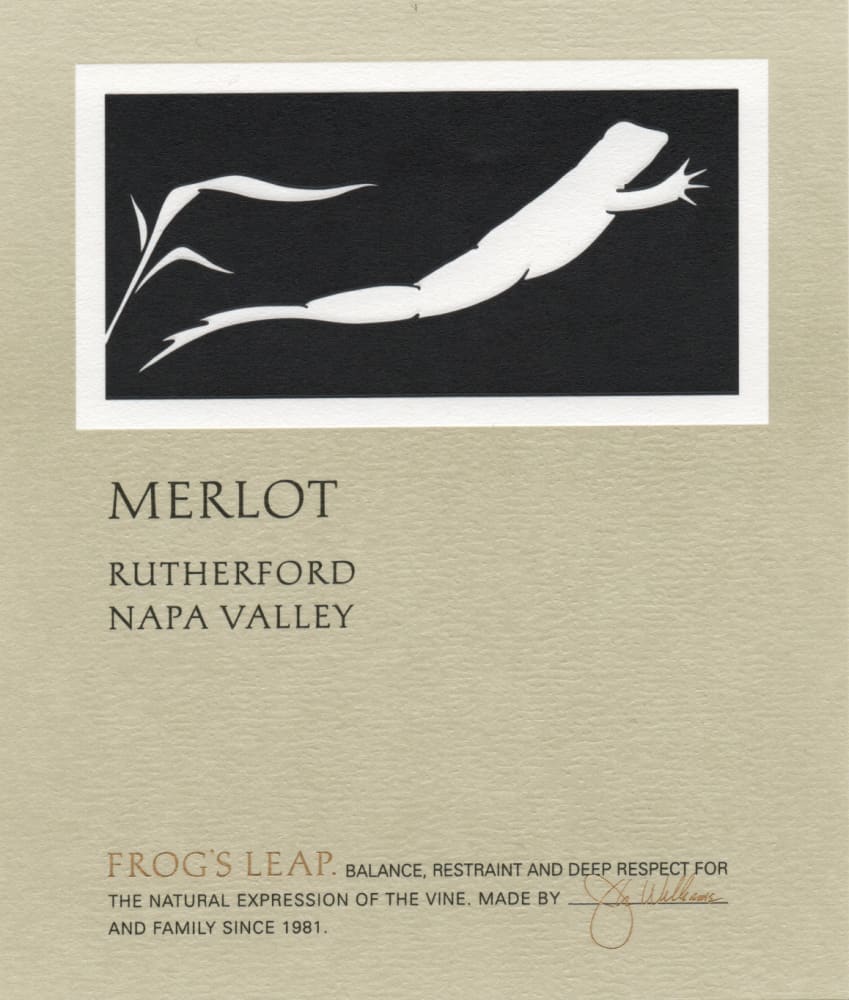


I recommend a medium-bodied Merlot or a light-bodied Pinot Noir to complement a dish featuring succulent seafood and delicate noodles. The fruit-forward notes and soft tannins of Merlot enhance the sweetness of the shrimp, while the acidity keeps the overall balance harmonious.
For a unique twist, consider a Grenache-based blend. Its juicy flavors of red berries and subtle spice bring out the richness of the sauce, making every bite more enjoyable. Alternatively, a Gamay can add a refreshing contrast, offering bright acidity and lightness that pairs beautifully with the dish.
When selecting a bottle, look for options with lower tannin levels to maintain the dish’s light profile. A lightly chilled choice can elevate the experience, providing a refreshing backdrop to the vibrant flavors of your meal. Cheers to an exceptional dining experience!
Pairing Suggestions for Shrimp Pasta
A light-bodied, fruit-forward Merlot complements the delicate flavors of seafood dishes beautifully. The soft tannins and hints of cherries and plums enhance the overall experience without overpowering the meal.
Other Excellent Choices
- Pinot Noir: Its acidity and earthy undertones work well with various sauces, especially creamy ones.
- Gamay: This wine’s bright and juicy profile pairs nicely with garlic and herbs often used in shrimp preparations.
- Barbera: With its high acidity, this option balances rich flavors, making it a great companion for tomato-based sauces.
Serving Tips
- Chill the selections slightly to enhance their refreshing qualities.
- Consider the sauce type; creamy sauces often benefit from lighter varietals.
- Pair with fresh herbs or spices in the dish to elevate the tasting experience.
Choosing the Right Red Wine for Creamy Shrimp Pasta
I recommend a light-bodied Merlot or a Pinot Noir. These varieties possess sufficient acidity to cut through the richness of creamy sauces while complementing the delicate flavors of seafood.
For a more specific pairing, consider a Merlot from Washington State. Its fruit-forward profile and soft tannins provide a smooth finish that harmonizes well with the dish. Alternatively, a cool-climate Pinot Noir, such as those from Oregon, offers bright cherry notes and earthy undertones, enhancing the overall taste experience.
When selecting a bottle, look for options with lower tannin levels and optimal acidity. Here’s a quick guide:
| Wine Type | Tasting Notes | Region |
|---|---|---|
| Merlot | Blackberry, plum, soft tannins | Washington State |
| Pinot Noir | Cherry, earthiness, bright acidity | Oregon |
| Gamay | Raspberry, floral, light-bodied | Beaujolais |
By focusing on these selections, you can enhance your dining experience, ensuring that the flavors of your meal and the chosen beverage are in perfect harmony.
Pairing Light Reds with Tomato-Based Shrimp Dishes
For a delightful match, I recommend a chilled Pinot Noir. Its bright acidity complements the tangy notes of tomato sauce while enhancing the shrimp’s natural sweetness. Look for a bottle with fruity undertones, like cherry or raspberry, which beautifully harmonizes with the dish.
Exploring Alternatives
A Gamay is another excellent choice. This light-bodied variety offers refreshing flavors and a slight earthiness that pairs well with the richness of tomato-based sauces. Opt for a Beaujolais, as its lower tannins and vibrant fruitiness create a pleasant contrast with the dish.
Serving Suggestions
Serve these wines slightly chilled to elevate their refreshing qualities. A glass of Pinot Noir or Gamay alongside your meal enhances the overall experience, allowing the flavors to shine. Enjoy the balance of acidity and fruitiness that each selection brings to the table.
FAQ:
What type of red wine pairs best with shrimp pasta?
A light-bodied red wine is generally the best choice for pairing with shrimp pasta. A Pinot Noir or a Gamay would work well, as their bright fruit flavors and acidity complement the delicate taste of shrimp without overpowering it. These wines also enhance the flavors of the pasta sauce, especially if it has a tomato or garlic base.
Can I serve a bold red wine with shrimp pasta, or is it a bad idea?
Serving a bold red wine with shrimp pasta is not typically recommended. Bold reds like Cabernet Sauvignon or Syrah can overwhelm the subtle flavors of the shrimp and the pasta. However, if the dish has a rich sauce or spicy elements, a lighter bold red like a Grenache might work, but it’s important to consider the overall flavor profile of the dish first.
How does the sauce in shrimp pasta affect the wine pairing?
The sauce in shrimp pasta plays a significant role in determining the best wine pairings. For example, if the sauce is creamy or buttery, a light red like a Pinot Noir can complement it nicely. If the pasta is dressed with a tomato-based sauce, a red with higher acidity, like a Chianti, can enhance the flavors and provide a refreshing balance. Always consider the sauce’s richness and acidity when selecting your wine.
Are there any red wines I should avoid with shrimp pasta?
Yes, there are some red wines you should avoid when serving shrimp pasta. Full-bodied wines with high tannins, such as Cabernet Sauvignon or Malbec, can clash with the seafood’s delicate flavor. These wines may create an unpleasant taste experience, as the tannins can make the shrimp taste bitter. It’s best to stick with lighter, fruitier reds for a more harmonious pairing.
What serving temperature is ideal for red wine with shrimp pasta?
The ideal serving temperature for red wine, especially lighter varieties like Pinot Noir, is around 55-60°F (13-16°C). Serving the wine slightly cooler than room temperature helps to accentuate its fresh flavors and acidity, making it a better match for the shrimp pasta. If the wine is too warm, it may taste overly bold and less refreshing, which can detract from the overall dining experience.
What types of red wine pair well with shrimp pasta?
When pairing red wine with shrimp pasta, consider lighter varieties to complement the delicate flavors of the dish. A Pinot Noir is often a good choice, as its bright acidity and fruitiness can enhance the sweetness of the shrimp. Another suitable option is a Grenache, which offers a balance of fruit and spice that can complement the dish’s seasoning. Finally, a light Merlot might also work, especially if the pasta includes a tomato-based sauce, as its soft tannins won’t overpower the shrimp.
Can you recommend specific red wine brands for shrimp pasta?
Sure! For a Pinot Noir, look for brands like Meiomi or La Crema, which provide a fruit-forward profile. If you prefer Grenache, consider the Bodegas Borsao Tres Picos from Spain, known for its rich berry flavors. For a lighter Merlot, try the Blackstone Merlot, which is smooth and pairs nicely with tomato-based shrimp pasta dishes. These selections should enhance your dining experience without overshadowing the shrimp’s natural sweetness.
Is it okay to serve red wine with shrimp pasta, or is white wine better?
While white wine is traditionally paired with seafood, red wine can also work well with shrimp pasta, especially if the sauce complements it. A lighter red wine can enhance the dish without overwhelming it. The key is to choose a red that has enough acidity and fruitiness to balance the flavors. So, yes, serving red wine with shrimp pasta is absolutely acceptable, particularly with the right selection.
What flavors in shrimp pasta should I consider when choosing red wine?
When selecting a red wine for shrimp pasta, consider the sauce and seasoning used in the dish. If the pasta is prepared with a tomato-based sauce, a red wine with good acidity, like a Chianti or a light Cabernet Sauvignon, can work well. If the dish is more herby or garlicky, a Grenache or Pinot Noir might enhance those flavors. Always think about the overall flavor profile, as this will guide your wine choice effectively.
How should I serve red wine with shrimp pasta for the best experience?
To serve red wine with shrimp pasta effectively, start by chilling the wine slightly, especially if it’s a lighter variety like Pinot Noir. Serve it at a temperature between 55-60°F (13-15°C) to bring out its flavors. Pair the wine with the dish on the table, allowing guests to taste and enjoy both together. Additionally, consider having a small glass of water available for those who may prefer to cleanse their palate between bites and sips. This approach will enhance the overall dining experience.