Chuck Furuya

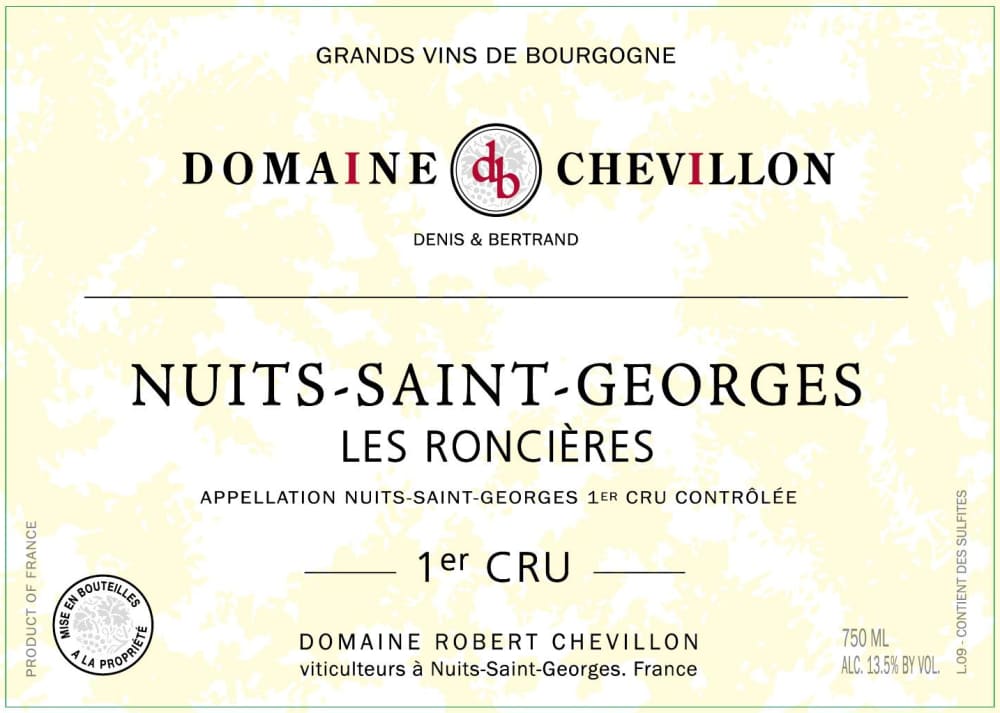
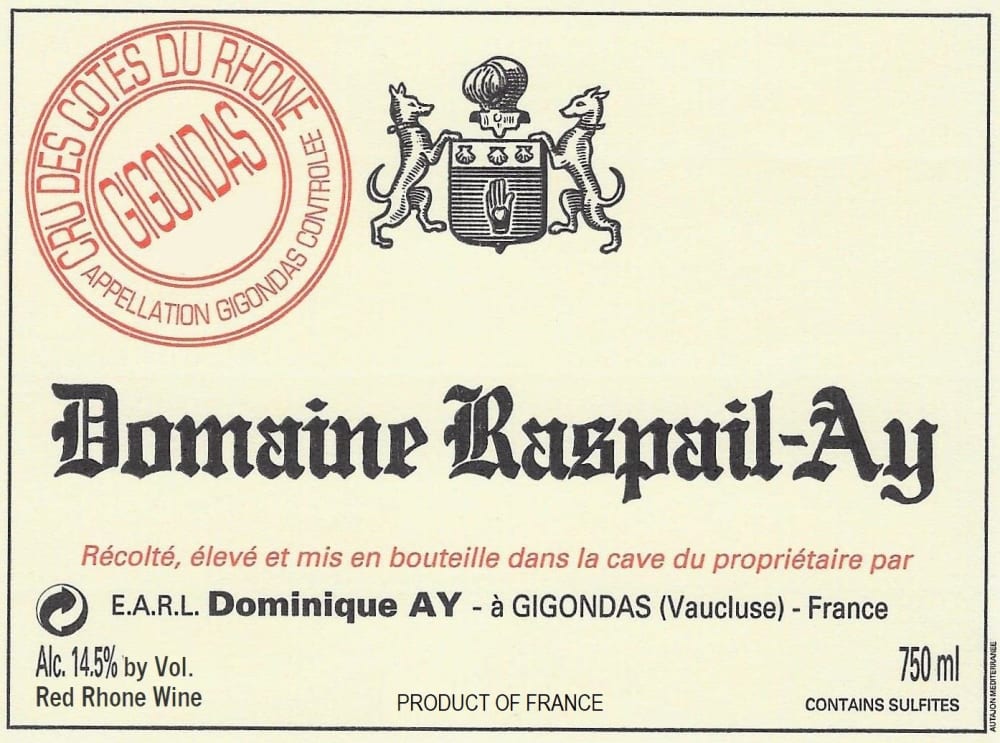

For a delightful accompaniment to slow-cooked, spiced meat stew, I recommend a full-bodied Syrah or Shiraz. The rich, dark fruit flavors and subtle peppery notes of this varietal complement the aromatic spices typically found in the dish, such as cinnamon and cumin.
Alternatively, a Grenache can enhance the experience, bringing forward its juicy red fruit characteristics and soft tannins, which harmonize beautifully with the savory elements of the stew. Look for one with a touch of oak aging to add depth and complexity.

If you prefer something a little different, a blend featuring Mourvèdre can also work well, as its earthy undertones echo the flavors of the dish, while providing a satisfying structure. These selections will elevate the meal and create a balanced dining experience.
Pairing Suggestions for Lamb Tagine
For a delightful pairing, I recommend a Grenache. Its juicy fruit notes and moderate tannins complement the spices and richness of the dish perfectly.
An excellent option is a Syrah, particularly one from the Rhône Valley. This choice offers a balance of dark fruit flavors and peppery undertones that enhance the complex flavors of the tagine.
Another fantastic match is a Merlot, which provides a smooth and velvety texture, making it an ideal companion for the tender meat and aromatic sauce.
Consider a Malbec as well. Its bold profile and hints of dark berries and chocolate create a wonderful contrast, elevating the overall dining experience.
If you prefer something a bit lighter, a Pinot Noir can work surprisingly well. Its acidity and red fruit characteristics can beautifully cut through the richness while adding a layer of complexity.
Understanding the Flavor Profile of Lamb Tagine
The combination of savory spices, tender meat, and sweet elements creates a complex flavor profile that pairs beautifully with various beverages. The primary ingredients–succulent meat, dried fruits, and aromatic spices–such as cumin, coriander, and cinnamon–contribute to a rich, earthy foundation that demands careful consideration when choosing a suitable accompaniment.
Initially, the savory notes from the meat provide depth, while the spices introduce warmth and a hint of sweetness. Dried apricots, almonds, or dates often add a fruity contrast, enhancing the overall tasting experience. This balance of flavors invites selections that can either complement or contrast, depending on personal preference.
Full-bodied varieties are particularly effective in matching the richness without overpowering the dish. Aged selections with subtle tannins can harmonize with the dish’s inherent sweetness. Look for options that exhibit dark fruit flavors, such as blackberry or plum, often found in specific regional varietals.
For a more adventurous pairing, consider those with herbal undertones that echo the spices in the dish. Varieties with a hint of acidity can also cut through the richness, offering a refreshing contrast that enhances the meal. Ultimately, the goal is to create a balance that elevates both the dish and the beverage, making each sip and bite a memorable experience.
Characteristics of Red Wines Suitable for Pairing
Fruity notes are essential for harmonizing with the richness of the dish. Look for varieties that showcase flavors like cherry, plum, or blackberry. These elements complement the sweet and savory spices typically found in the preparation.
Medium to full body provides the necessary weight to stand up against the hearty elements of the meal. A well-structured profile ensures a balanced experience without overwhelming the palate.
Acidity plays a key role in cutting through the richness of the dish. Opt for selections that have a bright acidity, which enhances the overall flavor and refreshes the mouth between bites.
Tannins should be soft and approachable, allowing for a smooth drinking experience. Harsh, overly tannic selections can conflict with the tender textures and delicate flavors present.
Earthy undertones can create a complementary relationship with the spices used in the preparation. Wines with hints of leather, tobacco, or forest floor can enhance the overall tasting experience.
Aged options often present nuanced flavors that can elevate the pairing. Look for bottles that have spent time in oak, as they can introduce additional complexity and a touch of vanilla or spice.
Top Varieties for Pairing with Lamb Tagine
Syrah stands out as a prime choice for complementing the rich spices in this dish. Its bold flavors, often exhibiting dark fruits and peppery notes, enhance the overall experience.
Grenache is another excellent option. This grape variety offers fruit-forward characteristics, with hints of cherry and raspberry, along with a subtle spiciness that pairs well with the aromatic elements of the stew.
Consider blends featuring Mourvèdre as well. This varietal adds depth and earthiness, creating a balanced profile that harmonizes beautifully with the robust flavors present in the dish.
Here’s a quick list of top varieties:
- Syrah
- Grenache
- Mourvèdre
Tempranillo is also worth exploring, particularly those aged in oak, which can impart vanilla and leather notes that enhance the dish’s complexity.
Lastly, a Cabernet Sauvignon with moderate tannins can be a delightful match, bringing structure and dark fruit flavors that work well against the savory elements of the meal.
For the best results, focus on wines that balance fruit and spice, providing an enjoyable contrast to the dish’s flavors.
How to Match Wine Body with Lamb Tagine
For a delightful pairing, opt for a medium to full-bodied beverage that complements the rich and spiced nature of your dish. Look for varieties that offer both structure and smoothness, enhancing the overall dining experience.
Key Aspects to Consider
- Tannin Levels: Choose options with moderate tannins to balance the flavors without overpowering them.
- Acidity: A higher acidity can cut through the richness, refreshing the palate and enhancing the meal.
- Fruitiness: Fruity notes in the beverage can harmonize with the sweet elements from dried fruits often found in this dish.
Recommended Pairing Techniques
- Select a beverage with a robust profile that showcases dark fruit flavors, such as black cherry or plum.
- Consider options aged in oak, which can add complexity and depth, complementing the spices present.
- Ensure the beverage’s finish is smooth and lingering, allowing it to enhance the meal rather than compete with it.
Ultimately, the key is to find a balance that elevates both the dish and the drink, creating a memorable culinary experience.