Chuck Furuya
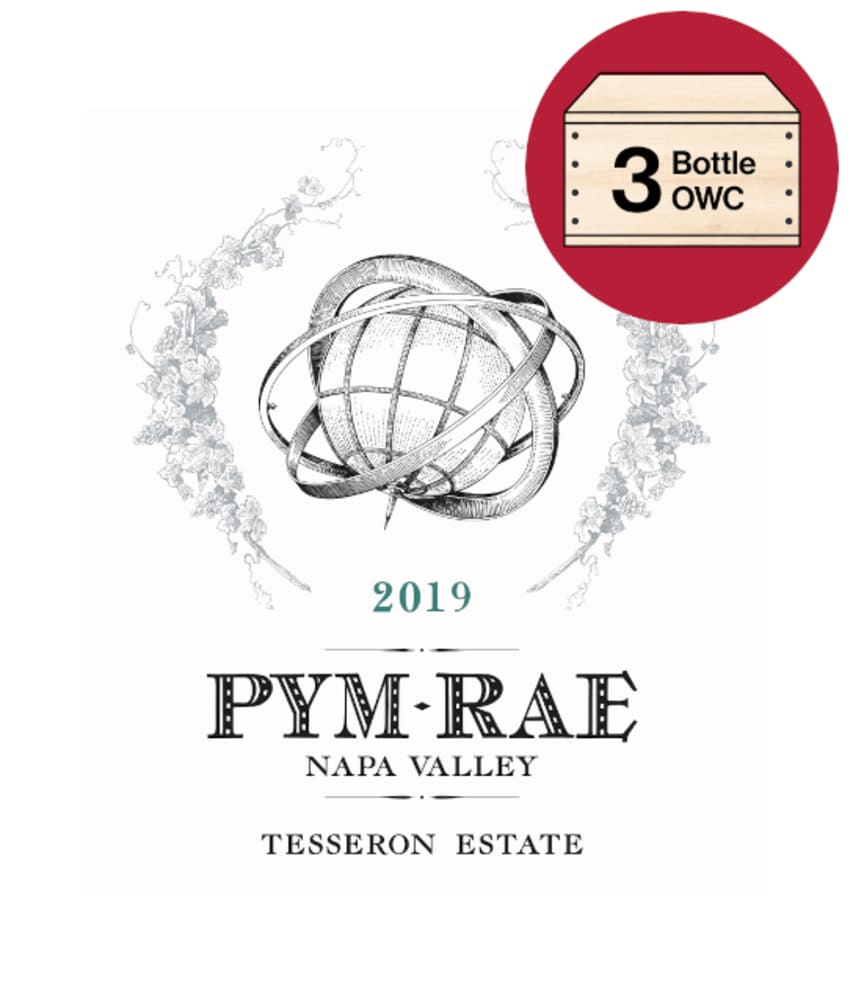
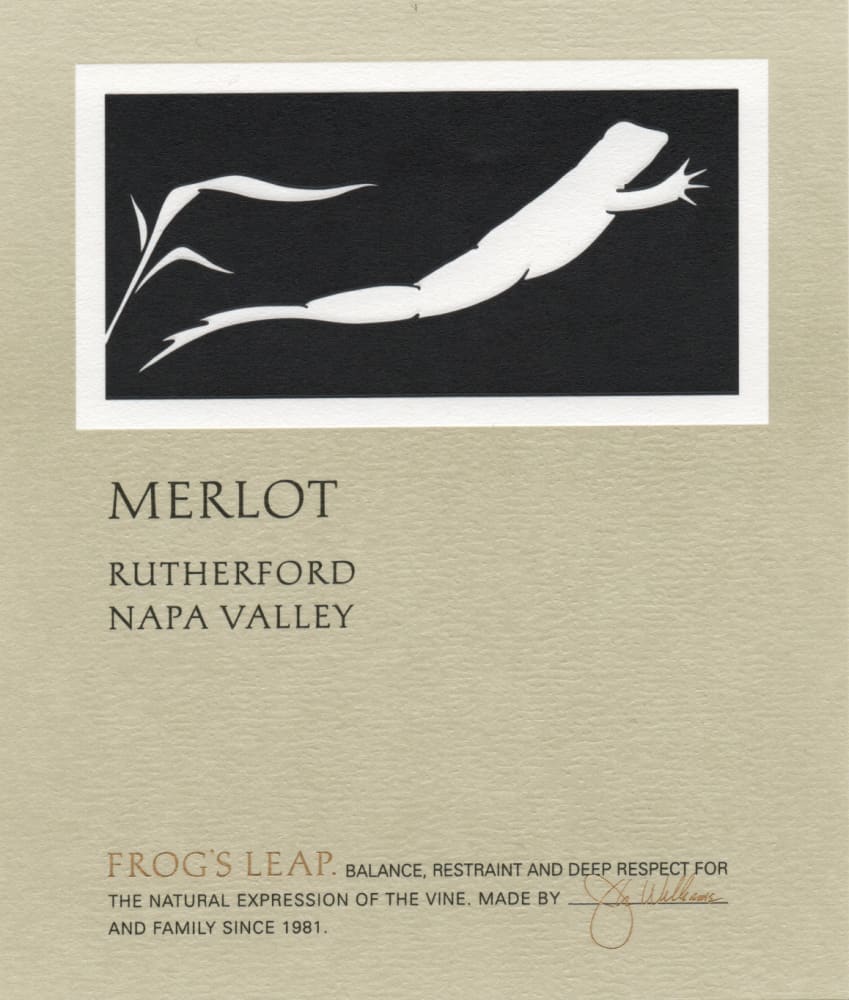
For a delightful match, I recommend a fruity Merlot or a rich Shiraz. These options complement the savory flavors of ham beautifully, enhancing the overall dining experience.
When selecting a bottle, consider a Merlot with soft tannins and notes of plum and cherries. This combination will balance the saltiness of the meat while adding a touch of sweetness. Alternatively, a Shiraz with its spicy undertones can provide a wonderful contrast to the dish’s savory profile.
If you prefer something a bit bolder, a Cabernet Sauvignon can also work well. Its robust structure and dark fruit flavors can stand up to the richness of the ham, creating a harmonious pairing.
For a lighter option, a Pinot Noir might be ideal. Its acidity and bright fruit character will cut through the fat, making each bite refreshing. Experiment with these choices to find your perfect combination.
Pairing Suggestions for Gammon
I recommend a medium-bodied Pinot Noir. Its bright acidity and red fruit flavors balance the savory and slightly sweet profile of the meat, enhancing the overall dining experience. A good option would be a bottle from Oregon, which often showcases the perfect blend of fruitiness and earthiness.
Other Suitable Choices
Merlot is another excellent pairing. Its soft tannins and plum notes complement the richness of the dish without overpowering it. Look for a California version, which tends to have a lush, fruit-forward character.
Exploring Regional Varieties
Consider a Chianti as well. The acidity in this Italian classic cuts through the fat, while its herbal undertones resonate beautifully with any glaze or seasoning applied to the gammon. Opt for a Chianti Classico for a more refined choice that will elevate the meal.
Understanding the Flavor Profile of Gammon
When pairing beverages, the nuances of gammon’s profile must be taken into account. This meat is characterized by a sweet and savory taste, often enhanced by a smoky flavor from the curing process. The texture is tender, and it can vary from juicy to slightly chewy, depending on the preparation method.
Taste Characteristics
- Sweetness: The natural sweetness of gammon can be accentuated with glazes made from honey, maple syrup, or brown sugar.
- Salinity: The saltiness from curing contrasts beautifully with fruity accompaniments.
- Umami: The depth of flavor is enriched by the umami notes, especially in smoked varieties.
Complementary Flavors
To enhance the experience, consider the following complementary flavors:
- Fruits: Dried fruits like apricots or figs, and fresh fruits such as apples or pears add brightness.
- Herbs: Rosemary and thyme can elevate the dish, providing an aromatic touch.
- Spices: Black pepper, cloves, and cinnamon elevate the complexity and warmth of the meat.
Understanding these flavor elements is crucial for selecting the perfect beverage pairing that matches the rich profile of this delightful dish.
Best Varieties for Pairing with Gammon
For an optimal match, consider Merlot. Its soft tannins and fruity notes complement the savory flavor of cured pork. Alternatively, a Pinot Noir works well, offering bright acidity and earthy undertones that enhance the dish’s richness.
Shiraz is another excellent choice, providing bold fruit flavors and a spiciness that pairs nicely with the sweetness of the glaze often found on gammon. For a more adventurous option, try a Zinfandel, which brings a jammy profile and hints of pepper that can elevate the overall dining experience.
| Variety | Tasting Notes | Pairing Notes |
|---|---|---|
| Merlot | Soft tannins, fruity | Balances savory flavors |
| Pinot Noir | Bright acidity, earthy | Enhances richness |
| Shiraz | Bold fruit, spicy | Compliments sweetness |
| Zinfandel | Jammy, peppery | Elevates dining experience |
Serving Temperature and Decanting Tips for Red Wine
The ideal serving temperature for a certain type of drink typically ranges from 55°F to 65°F (13°C to 18°C). I find that serving it slightly chilled helps to enhance the fruit flavors while maintaining the balance of tannins. For best results, I recommend the following:
- Light-bodied options: 55°F to 60°F (13°C to 15°C)
- Medium-bodied varieties: 60°F to 65°F (15°C to 18°C)
- Full-bodied selections: 65°F to 68°F (18°C to 20°C)
Before serving, it’s wise to decant the drink. This process aerates the beverage, allowing it to open up and reveal its complex aromas and flavors. Here are my tips for effective decanting:
- Use a clean decanter to avoid any unwanted residue.
- Pour gently to minimize sediment disturbance.
- Allow it to breathe for at least 30 minutes to an hour before enjoying.
By adhering to these temperature guidelines and decanting practices, I enhance the overall tasting experience. The flavors become more pronounced, making each sip more enjoyable.