Chuck Furuya
For an exquisite pairing, I recommend a full-bodied Cabernet Sauvignon. The bold tannins and dark fruit flavors of this varietal complement the rich, buttery texture of the beef, enhancing the overall dining experience.
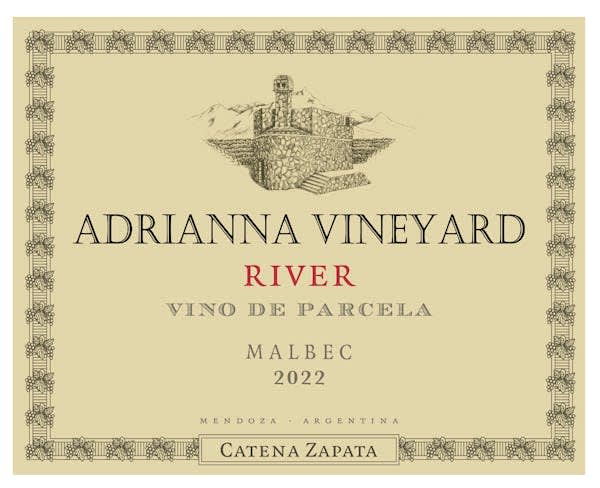
Alternatively, a Malbec can also work wonders. Its fruity notes and hints of spice create a delightful contrast with the savory elements of the dish, delivering a well-rounded flavor profile.
If you’re seeking something a bit more refined, consider a Syrah. This option offers peppery undertones along with dark berry flavors, which can beautifully elevate the taste of the meat while adding an extra layer of complexity.

For those who enjoy a bit of earthiness, a Pinot Noir could be an intriguing choice. Its softer tannins and bright acidity provide a refreshing balance, allowing the nuances of the chateaubriand to shine.
Pairing Suggestions for Chateaubriand
To complement the rich flavors of this classic dish, I recommend a full-bodied Cabernet Sauvignon. Its robust tannins and dark fruit notes enhance the tender meat and elevate the dining experience.
Other excellent choices include:
- Merlot: Offers a softer profile with plum and cherry flavors, providing a smoother contrast.
- Malbec: Known for its velvety texture and hints of cocoa, it pairs beautifully with grilled meats.
- Syrah/Shiraz: Features spicy undertones and dark fruit, making it ideal for richer preparations.
- Tempranillo: This Spanish varietal brings earthy tones and bright acidity, balancing the dish’s richness.
When serving, ensure the beverage is at the right temperature, ideally around 60-65°F (15-18°C), to enhance its flavors. Decanting for about 30 minutes can also help in opening up the bouquet.
Choosing the Right Tannin Level for Chateaubriand
I recommend selecting a wine with moderate to high tannin levels to complement the richness of the dish. Tannins enhance the meat’s flavor and texture, cutting through the fat while softening the overall palate. Look for options that exhibit a balance between fruitiness and astringency.
Optimal Choices
Cabernet Sauvignon and Malbec are excellent contenders, offering firm tannins along with dark fruit notes. These varietals’ structure pairs beautifully with the tender cut of beef, ensuring a harmonious experience. Syrah or Shiraz can also work well, bringing a spiciness that can elevate the dish further.
Serving Recommendations
Decanting is beneficial to soften the tannins and enhance the aromas. Serve the selected bottle at a slightly cooler temperature, around 60-65°F (15-18°C), to allow the flavors to emerge fully and provide a delightful contrast to the warm, savory meat on the plate.