Chuck Furuya

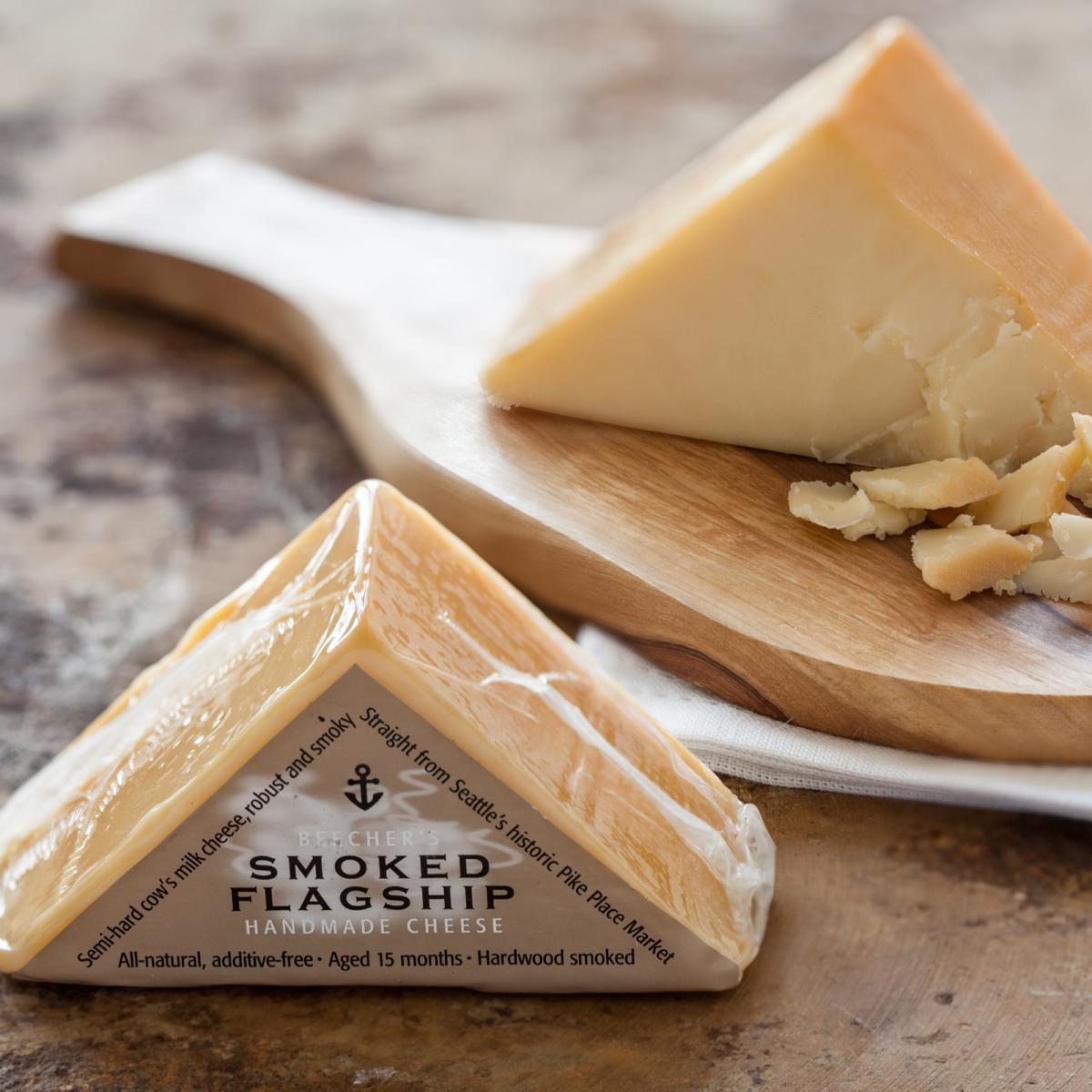
Cheese, particularly those with strong flavors like blue cheese, clashes with the depth of a full-bodied beverage. The intense saltiness and moldy notes can overshadow the wine’s nuances. Opt for milder varieties instead, which complement rather than compete.
Seafood, especially oily types like salmon or mackerel, can disrupt the balance of flavors. The richness of these fish often conflicts with the tannins in a well-structured pour. White varieties or leaner fish are more harmonious choices.
Spicy dishes pose a challenge as well. Heat can amplify the bitterness in a pour, making the experience less enjoyable. If you crave spice, consider lighter beverages that can handle the heat without overwhelming your palate.
Chocolate, while a tempting option, can be tricky. Dark varieties may clash with the acidity of certain pours, leading to an unbalanced taste. If chocolate is a must, look for sweeter selections to create a better match.
Finally, avoid overly sweet foods. Desserts with high sugar content can make even the most elegant pour taste flat. Instead, choose options that are less sugary, allowing the wine’s character to shine through.
Avoid These Combinations
Seafood, particularly fish with strong flavors, clashes with tannins in certain varieties. Oily fish like mackerel or salmon can overpower the drink, resulting in an unpleasant taste.
Cheese types such as blue varieties introduce a sharpness that often doesn’t pair harmoniously. The saltiness can create a discordant experience on the palate.
Spicy dishes, especially those featuring chili or hot sauces, can mask the subtleties of the beverage. Heat tends to overshadow the more delicate notes, ruining the tasting experience.
Certain fruits, particularly citrus, can introduce a conflicting acidity. Oranges, lemons, and limes often clash, leading to an undesirable flavor profile.
Chocolate desserts, particularly those that are rich and dark, may overwhelm the palate. The sweetness and bitterness can compete with the wine, creating an imbalance.
- Oily fish (e.g., mackerel)
- Blue cheese
- Spicy dishes (e.g., curries)
- Citrus fruits
- Rich chocolate desserts
Avoiding Fish and Seafood Pairings
Choosing fish and seafood alongside a robust red beverage can lead to unpleasant flavor clashes. The delicate nature of these dishes often gets overshadowed by the boldness of a full-bodied varietal. For example, pairing a rich tuna steak or grilled salmon can overwhelm the palate, as the oiliness of these fish may not harmonize with the tannins present in many reds.
Specific Combinations to Skip
Shellfish such as shrimp, crab, or mussels can create a discordant experience due to their briny and sweet profiles. The natural sweetness in these seafood options competes with the acidity found in many red varietals, resulting in an off-putting taste. Additionally, dishes featuring lighter fish like sole or cod may seem too subtle, losing their character when matched with a powerful pour.
Alternative Suggestions
Instead of opting for these pairings, consider white or sparkling selections that can enhance the flavors of seafood. A crisp Sauvignon Blanc or a refreshing Prosecco can elevate the dining experience, allowing both the dish and the drink to shine. This approach ensures that each element complements rather than clashes, enhancing overall enjoyment.
Steering Clear of Spicy Dishes
I find that pairing fiery meals with a bold beverage often leads to an overwhelming experience. The heat from spices can dominate the palate, masking the subtle flavors and aromas of the drink. For example, dishes seasoned with chili, black pepper, or even hot sauces can clash with the tannins and acidity found in darker varieties. Instead of enhancing the flavor profile, the spice can create an unbalanced sensation that detracts from the enjoyment of both the food and the drink.
When indulging in spicy cuisine, I prefer to choose lighter, more refreshing beverages that can complement the heat rather than compete with it. If I’m craving something bold, I often opt for a wine that has been aged longer or one with a more fruit-forward profile, but even then, I tread carefully. The best approach is to enjoy spicy dishes solo or with beverages that can handle the heat better, like a chilled beer or a fruity cocktail.
In essence, I recommend avoiding spicy fare altogether when I’m looking to savor a rich glass of this particular beverage. The experience should be harmonious, allowing both the meal and the drink to shine individually without overpowering one another.
Not Mixing with Strong Cheeses
Pairing strong cheeses, such as Roquefort, Gorgonzola, or aged Cheddar, can lead to overwhelming flavor clashes. The bold, creamy characteristics of these cheeses often dominate the palate, making it difficult to appreciate the nuances in a glass of deep-hued vino.
Flavor Profiles
The complex profiles of robust cheeses create rich and intense tastes that may overpower lighter-bodied reds. For instance, blue cheeses introduce sharpness and saltiness that can clash with the tannins in certain varietals, resulting in a less enjoyable experience. Instead, opt for milder cheese types that complement rather than compete.
Suggestions
Consider pairing softer, creamy cheeses like Brie or mild Gouda instead. These options create a harmonious balance, allowing the wine’s fruitiness to shine through while enhancing the overall tasting experience. Avoiding strong, pungent cheeses ensures a more pleasant and refined pairing.
Refraining from Sweet Desserts
Pairing desserts high in sugar content with a bold glass of Merlot or Cabernet Sauvignon is a misstep. The sweetness from cakes, pastries, and chocolates can clash dramatically with the tannins in these wines, resulting in an unbalanced experience on the palate.
Opt for alternatives that complement the wine’s character. Consider dark chocolate with lower sugar levels or desserts featuring berries that can echo the fruit notes present in the vino. A cheese platter with a touch of honey can serve as a delightful option, striking a balance without overwhelming the senses.
When indulging in treats, focus on options that offer a hint of bitterness or acidity, such as dark chocolate mousse or fruit tarts with a citrus twist. These selections enhance the wine’s complexity rather than diminish it, creating a more harmonious tasting experience.
Skipping Processed Meats
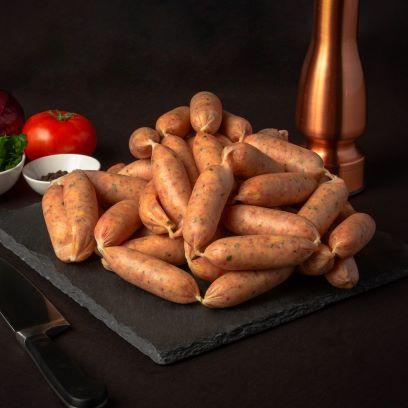
Choosing to avoid processed meats while enjoying a glass of wine is a wise decision. These foods can introduce an array of flavors and textures that clash with the characteristics of a fine Cabernet or Merlot. High sodium content and artificial preservatives often lead to an unbalanced tasting experience.
Flavor Profiles
Processed meats like salami, pepperoni, and hot dogs typically have a smoky or overly salty profile. These flavors can overwhelm the subtle notes in a good bottle, making it difficult to appreciate the complexity of the drink.
| Processed Meats | Flavor Impact |
|---|---|
| Salami | Overpowering spice and salt |
| Pepperoni | Greasy and pungent |
| Hot Dogs | Artificial flavors and high sodium |
Health Considerations
Health implications also arise from consuming these meats. Processed varieties are often high in unhealthy fats and additives, which can detract from the overall experience of pairing food and beverages. Opting for fresh, unprocessed alternatives can enhance both taste and health benefits.