Chuck Furuya

For an unforgettable pairing, I recommend a Pinot Noir. This varietal offers a delightful balance of acidity and fruitiness, complementing the savory flavors of poultry beautifully. The light body and moderate tannins make it an exquisite choice that enhances rather than overpowers the dish.
Another excellent option is Grenache. Its berry notes and subtle spice can elevate the overall dining experience, harmonizing with the herbs commonly used in turkey preparations. This wine’s versatility allows it to adapt well to various side dishes, ensuring a cohesive flavor profile throughout the meal.
If you prefer something bolder, consider a Zinfandel. Its rich, jammy characteristics provide a contrast to the savory elements, creating an intriguing flavor spectrum. This selection works particularly well if your dish includes sweet accompaniments, such as cranberry sauce or glazed carrots.

Finally, a Syrah can add depth to your meal. With its robust flavor and hints of pepper, it pairs nicely with roasted turkey, especially when prepared with a smoky rub or barbecue glaze. This choice enhances the overall flavor experience, making your gathering memorable.
Choosing the Right Red Wine Varietals for Turkey
Pinot Noir stands out as an excellent match for poultry. Its light body and bright acidity enhance the dish’s flavors without overpowering them. Look for a bottle that offers subtle fruit notes and earthy undertones to complement the savory aspects of the meal.
Other Noteworthy Options
Gamay, notably from Beaujolais, presents a fruit-forward profile that pairs harmoniously. Its low tannins and fresh acidity make it a refreshing choice, balancing well with rich gravies.
Grenache is another varietal worth considering. Its juicy berry flavors and spice notes can add depth, particularly if you’re opting for a roasted preparation. This varietal’s versatility allows it to shine alongside various sides.
Final Thoughts
Exploring these varietals can enhance the dining experience. Each option brings unique characteristics to the table, making every meal memorable. Choose based on personal preference and the specific preparation method for the dish.
Flavor Profiles of Red Wines that Complement Turkey
Pinot Noir stands out for its light body and bright acidity, enhancing the savory notes of roasted poultry. Its cherry and raspberry flavors mingle beautifully with herbs and spices often found in stuffing.
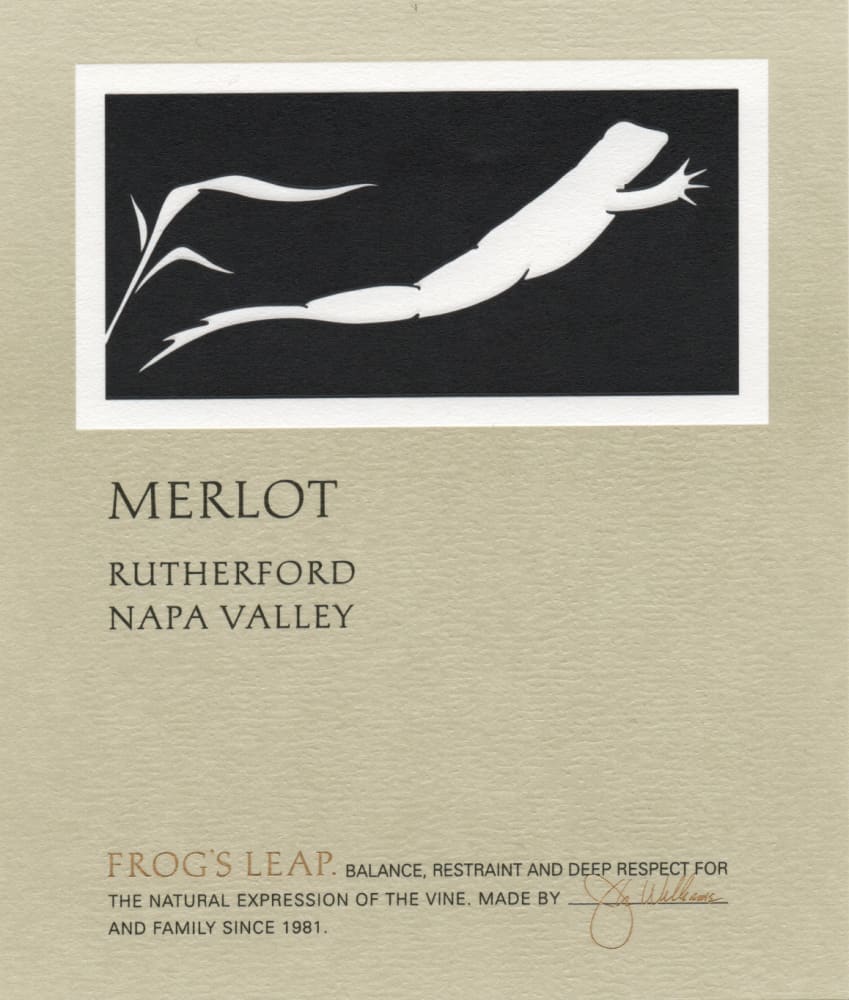
Merlot offers a plush texture with plum and blackberry aromas, providing a soft contrast to the richness of gravy and side dishes. This varietal’s smooth tannins make it approachable for a variety of palates.
Syrah/Shiraz presents a bolder option, with pepper and dark fruit characteristics that can enhance smoky flavors in dishes like roasted turkey with a spice rub. Its full-bodied nature pairs well with hearty sides.
Grenache exhibits red fruit flavors and herbal notes, making it a versatile choice. It complements the sweetness of cranberry sauce while balancing savory elements on the plate.
Tempranillo, with its earthy undertones and cherry notes, can harmonize with both traditional and modern preparations, offering a rustic charm that enhances the overall dining experience.
- Pinot Noir: Light body, bright acidity, cherry, raspberry.
- Merlot: Plush texture, plum, blackberry, soft tannins.
- Syrah/Shiraz: Bold, peppery, dark fruit, full-bodied.
- Grenache: Red fruit, herbal notes, versatile.
- Tempranillo: Earthy, cherry notes, rustic charm.
Serving Temperature and Decanting Tips for Red Wine
For optimal enjoyment, I recommend chilling your selection to around 55-65°F (13-18°C). This temperature range allows the aromas and flavors to shine without overwhelming the palate. If your choice feels too warm, a quick chill in the refrigerator for about 15-30 minutes can help achieve the ideal serving temperature.
Decanting enhances the drinking experience by aerating the liquid. I typically pour the contents into a decanter and let it breathe for 30 minutes to an hour. This process softens tannins and releases intricate aromas. For younger vintages, a shorter decanting time is sufficient, while older bottles may require less exposure to air.
Always ensure that the glassware is clean and appropriate for serving. A tulip-shaped glass allows for better aroma concentration, enriching the tasting experience. Swirling the liquid gently in the glass also promotes aeration, so I recommend trying this before taking a sip.