Chuck Furuya

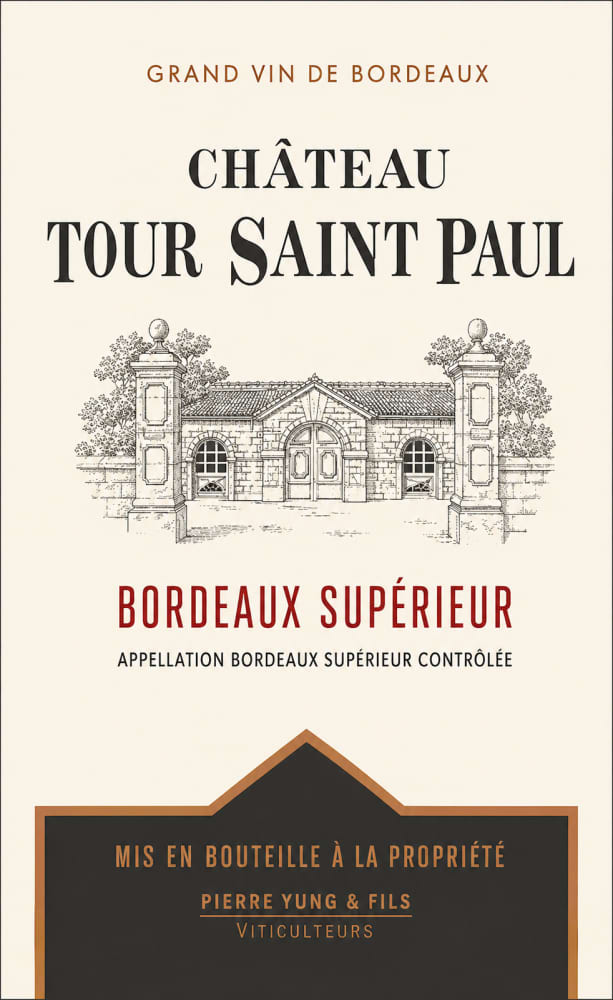


For anyone seeking high-quality crimson varietals, I highly recommend exploring regions like Bordeaux in France, Napa Valley in California, and Tuscany in Italy. Bordeaux is celebrated for its Merlot and Cabernet Sauvignon blends, characterized by rich flavors and aging potential. Napa Valley, with its warm climate, produces outstanding Cabernet Sauvignon that often showcases bold fruit and structured tannins.
In Tuscany, Sangiovese reigns supreme, offering an array of styles from Chianti to Brunello di Montalcino. These wines are known for their balance of acidity and earthy notes, making them perfect companions for various cuisines. Each region presents unique terroirs that significantly influence the characteristics of the varietals produced, providing a diverse tasting experience.
Additionally, exploring regions like Barossa Valley in Australia, renowned for Shiraz, can reveal intense fruit flavors and peppery undertones. Spain’s Rioja, particularly with its Tempranillo, brings a different profile with its aging techniques and oak influence, resulting in complex and layered profiles. Make sure to sample wines from these regions to truly appreciate the diversity and quality available in the world of crimson varietals.
Identifying Top Regions for Red Wine Production
For exceptional choices in deep-hued varietals, focus on these renowned areas:
- Bordeaux, France
- Famed for Cabernet Sauvignon and Merlot.
- Geographical diversity contributes to unique blends.
- Notable sub-regions include Médoc and Pomerol.
- Tuscany, Italy
- Home to Sangiovese, a key component of Chianti.
- Terracotta soils enhance flavor profiles.
- Montalcino and Montepulciano are must-visit locales.
- Rioja, Spain
- Recognized for Tempranillo, often aged in oak.
- Climate variation leads to a spectrum of styles.
- Explore the Alta and Alavesa regions for quality selections.
- California, USA
- Napa Valley is synonymous with premium Cabernet Sauvignon.
- Sonoma County offers diverse varietals, including Zinfandel.
- Look for smaller, boutique wineries for unique offerings.
- Barossa Valley, Australia
- Shiraz dominates, showcasing ripe fruit flavors.
- Warm climate fosters bold, full-bodied expressions.
- Don’t miss the opportunity to taste Grenache blends.
Exploring these regions reveals distinct characteristics and flavors, enhancing your understanding of quality in viniculture. Each location offers unique terroirs and varietals, making them worthwhile for any enthusiast or connoisseur.
Understanding Terroir and Its Impact on Flavor
Terroir significantly influences the characteristics of grapes, shaping their flavor profiles. Key factors include climate, soil type, topography, and local agricultural practices. For instance, a vineyard situated on a south-facing slope benefits from optimal sunlight, allowing grapes to ripen fully, resulting in richer flavors.
Soil composition plays a pivotal role in determining taste. Clay retains moisture, enhancing fruit expression, while sandy soils promote drainage, leading to more concentrated flavors. Regions like Bordeaux showcase diverse terroirs, where different soil types contribute to the complexity of blends.
Microclimates within a region can also create distinct variations. For example, cooler areas produce grapes with higher acidity, resulting in a fresher taste, while warmer zones yield fruit that is riper and more robust. Understanding these nuances allows one to appreciate the diversity among wines.
Winemaking techniques further interact with terroir. Traditional methods, such as minimal intervention and native yeast fermentation, often reflect the unique characteristics of the land. This connection between vineyard practices and environmental factors enriches the overall sensory experience.
Exploring various regions, such as Napa Valley or Tuscany, reveals how terroir distinctively shapes each bottle. I recommend tasting wines from different terroirs to truly grasp how these elements come together to create unique flavor profiles. This exploration not only enhances appreciation but also deepens knowledge of varietals and their origins.
Key Grape Varieties and Their Origin Stories
Cabernet Sauvignon, originating from France’s Bordeaux region, is renowned for its bold flavors and aging potential. Its thick skin contributes to rich tannins and deep color, while its adaptability allows it to thrive in diverse climates worldwide. I appreciate its notes of black currant, cedar, and hints of green bell pepper, which evolve beautifully over time.
Merlot
Merlot, also hailing from Bordeaux, offers a softer, fruit-forward profile. I enjoy its plush texture and approachable nature, making it a favorite for both new and seasoned wine enthusiasts. The grape’s origins date back centuries, and its versatility has led to successful plantings in regions like California and Chile, producing expressive wines with flavors of plum, chocolate, and vanilla.
Pinot Noir
Pinot Noir, with roots in Burgundy, is often regarded as one of the most difficult grapes to cultivate. Its light body and complex flavor profile, featuring cherry, raspberry, and earthy notes, captivate me. This variety thrives in cooler climates, leading to exceptional expressions in areas like Oregon and New Zealand, where winemakers highlight its delicate and nuanced characteristics.