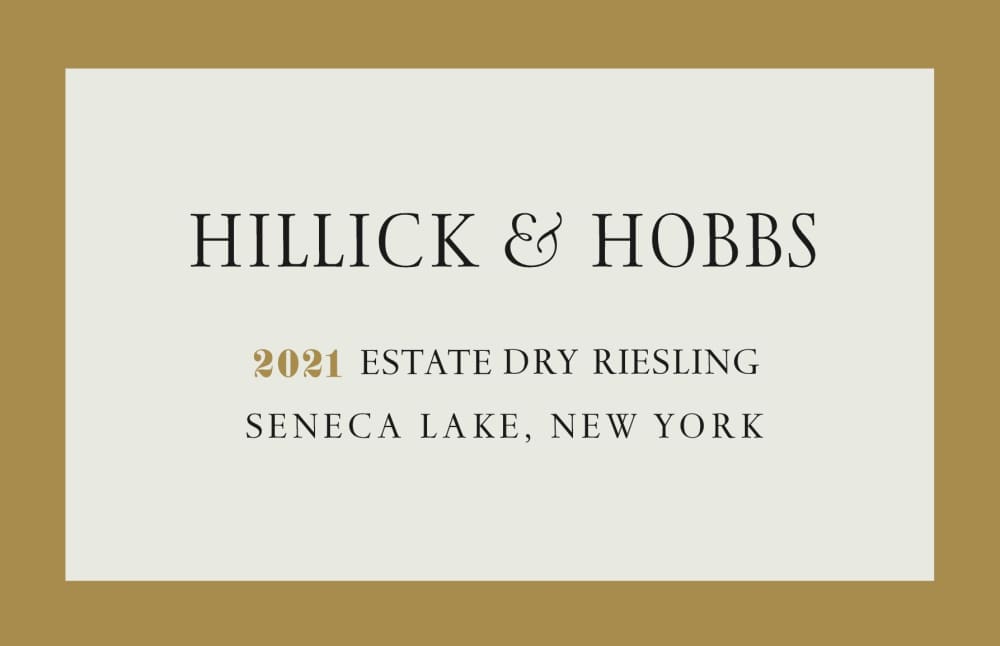
Chuck Furuya
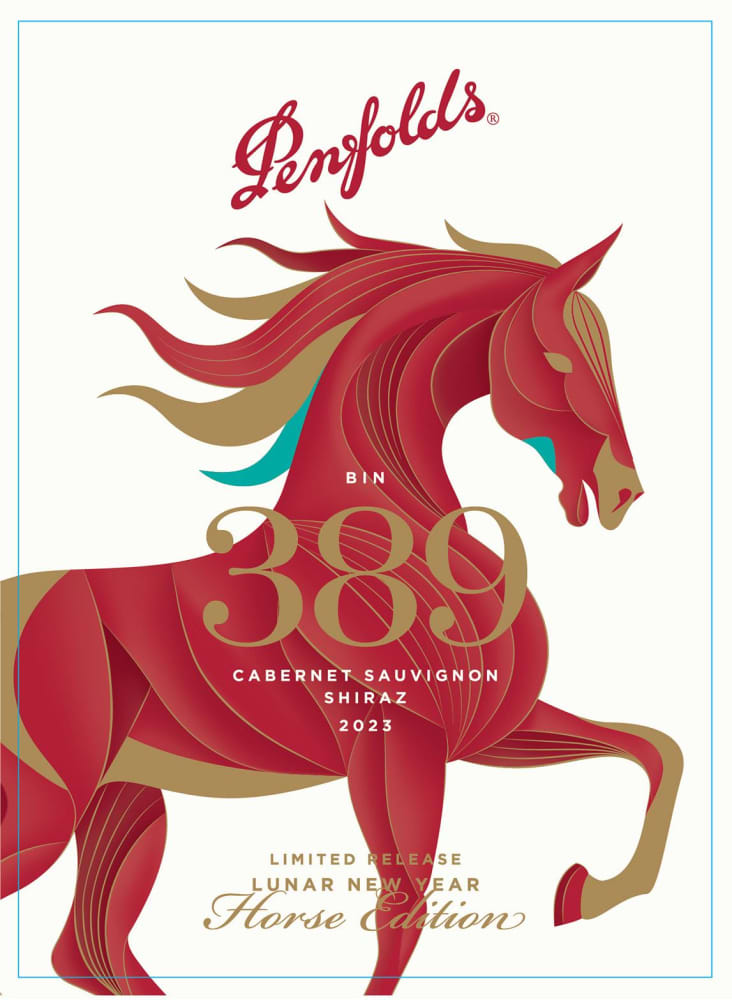


If you seek an intense and full-bodied drink, I recommend exploring the realm of robust crimson varietals. These selections are known for their deep flavors and complex aromas, often showcasing notes of dark fruits, spices, and earthy undertones. A classic choice is Cabernet Sauvignon, celebrated for its rich texture and aging potential, making it a staple for connoisseurs and casual drinkers alike.
Another excellent option is Syrah, which offers a more peppery profile alongside dark berry flavors. I find that this varietal pairs wonderfully with grilled meats and hearty dishes. For those who enjoy something fruitier, Zinfandel can be a delightful experience, presenting jammy characteristics that complement barbecue and Italian cuisine beautifully.
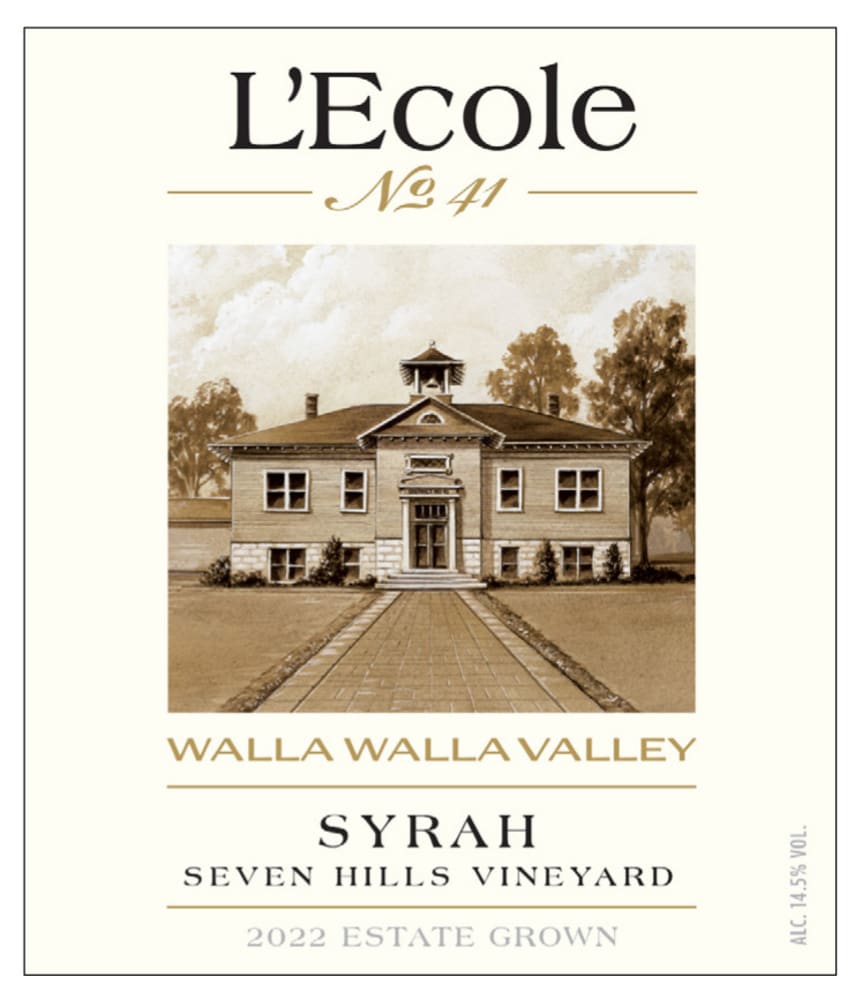
When selecting these selections, consider the region of origin, as climate and soil significantly impact the taste. Napa Valley and Bordeaux are renowned for producing exceptional examples of these varietals, each with unique characteristics that reflect their terroir. Experimenting with different bottles can lead to surprising discoveries and enhance your appreciation for these bold offerings.
Understanding Bold Red Varietals
For those seeking a full-bodied experience, I recommend exploring Zinfandel. This varietal often showcases jammy fruit flavors, coupled with spicy undertones, making it perfect for barbecued meats or rich pasta dishes.
Another excellent choice is Malbec, particularly from Argentina. Its deep flavors of blackberry and plum, along with a hint of smoke, pair beautifully with grilled steaks or hearty stews.
Cabernet Sauvignon stands out with its robust structure and complex profile. I enjoy a Napa Valley Cabernet for its rich tannins and notes of black cherry, chocolate, and cedar, which complement dishes like lamb or aged cheeses.
Syrah, especially from regions like the Rhône Valley, offers dark fruit flavors with peppery notes. This wine works well with bold flavors, such as roasted game or spicy barbecue.
Lastly, consider Tempranillo from Spain. Its earthy character, combined with ripe fruit and leather nuances, makes it an excellent companion for tapas or mushroom risotto.
Characteristics of Big Red Wines
These robust varietals tend to exhibit high tannin levels, which contribute to their structure and aging potential. Tannins provide a drying sensation on the palate, often described as a firm grip. Wines like Cabernet Sauvignon or Syrah are excellent examples, showcasing this characteristic prominently.
Flavor Profile
The flavor spectrum ranges from dark fruits, such as blackberry and black cherry, to savory notes like tobacco, leather, and spices. Aged versions may reveal layers of complexity, including hints of vanilla or cedar from oak maturation. This interplay of flavors makes for a rich tasting experience.
Alcohol Content
Typically, these selections possess elevated alcohol levels, often exceeding 14% ABV. This higher alcohol can enhance the perception of body, contributing to a fuller mouthfeel. Pairing with hearty dishes or rich sauces helps balance the intensity.
Popular Varieties of Bold Red Wines
Cabernet Sauvignon stands out for its rich structure and dark fruit flavors, often accompanied by notes of green bell pepper and cedar. I recommend seeking out bottles from Napa Valley for a classic representation that showcases depth and aging potential.
Syrah/Shiraz
This varietal is known for its spiciness and full-bodied character. A bottle from the Rhône Valley reveals layers of dark berries and pepper, while Australian Shiraz tends to be fruit-forward with a jammy profile. Both styles offer an excellent pairing with grilled meats.
Malbec
Originating from France but thriving in Argentina, Malbec delivers an inky color and plush tannins. It features black fruit flavors, often enhanced by chocolate or tobacco notes. I recommend trying a Malbec from Mendoza for its rich, smooth finish.
Zinfandel, particularly from California, is another great choice. It showcases ripe fruit flavors, spice, and a hint of smokiness, making it versatile for various dishes, especially barbecue. Look for old-vine Zinfandels for concentrated flavors and complexity.
Lastly, consider exploring Tempranillo, especially from Spain. It offers a unique blend of cherry, leather, and earthy notes, making it a fabulous companion to hearty dishes. A bottle from Rioja will provide a well-balanced experience with aging potential.
Ideal Food Pairings for Bold Red Varietals
Grilled meats, especially ribeye steaks and lamb chops, complement the deep flavors and tannins found in these robust beverages. The charred exterior balances the fruitiness, enhancing the overall experience.
Cheese Selections
Pairing with strong cheeses like aged cheddar, blue cheese, or gouda creates a delightful contrast. The creaminess of the cheese softens the tannic structure, providing a rich mouthfeel.
Hearty Dishes
Consider pairing with rich pasta dishes, such as those featuring Bolognese or arrabbiata sauce. The acidity in tomato-based sauces harmonizes beautifully with the wine’s profile.
| Food | Recommended Pairing |
|---|---|
| Grilled Ribeye Steak | Full-bodied Merlot |
| Lamb Chops | Syrah/Shiraz |
| Aged Cheddar | Cabernet Sauvignon |
| Blue Cheese | Zinfandel |
| Spaghetti Bolognese | Sangiovese |
Roasted vegetables, particularly root vegetables like beets and carrots, also make an excellent match, bringing out the earthiness in the drink. These combinations elevate the tasting experience, allowing the characteristics to shine through with every sip.
How to Properly Serve Big Red Wines
Serve at the optimal temperature of 60-65°F (15-18°C) to enhance the flavors and aromas. Use a wine thermometer for accuracy. If the beverage is too warm, chill it briefly in the refrigerator; if too cold, allow it to sit at room temperature for a short period.
Glassware Selection
Choose a large, bowl-shaped glass to allow for proper aeration. This shape helps to concentrate the aromas and provides enough space for swirling, which enhances the olfactory experience.
Decanting
Decanting is recommended, especially for older varieties. Pour the liquid into a decanter and let it breathe for at least 30 minutes. This process softens tannins and opens up complex flavors. For younger selections, a shorter decanting time may suffice.
- Use a clean, dry decanter.
- Pour gently to avoid sediment disturbance.
- Monitor the time; too long can diminish freshness.
Ensure the serving area is free from distractions, allowing guests to fully appreciate the experience. Provide water and palate-cleansing options, like bread or crackers, between tastings to refresh the senses.
Finally, consider serving at a gathering where discussions about the unique characteristics of the selection can take place, enriching the overall enjoyment.
Cultivating Big Red Grape Varieties
For successful cultivation of robust grape varieties, selecting the right terroir is critical. Look for regions with well-drained soils, ample sunlight, and moderate rainfall. These factors contribute to the development of intense flavors and aromas. I recommend focusing on regions like Napa Valley or Barossa Valley, known for their ideal conditions.
Soil Preparation and Planting
Prior to planting, soil testing is essential. Aim for a pH between 6.0 and 7.5 for optimal growth. Incorporate organic matter to enhance soil structure and fertility. When planting, space vines adequately to ensure air circulation and sunlight exposure. This spacing helps prevent diseases and promotes even ripening.
Care and Maintenance
Regular pruning is vital to control growth and enhance fruit quality. Aim for a balanced canopy to maximize light exposure. Implement a drip irrigation system to maintain moisture without oversaturation. Monitor for pests and diseases, utilizing integrated pest management strategies to minimize chemical usage. Harvesting should occur when the grapes reach optimal sugar levels, typically indicated by a balance between sweetness and acidity.
Understanding Tannins in Bold Red Varietals
Tannins play a pivotal role in shaping the profile of robust crimson beverages. When I taste these full-bodied selections, I immediately notice how tannins contribute to their structure and aging potential. Here’s what I’ve learned about them:
- Source: Tannins originate from grape skins, seeds, and stems. The extraction process during fermentation significantly influences the final product’s tannin levels.
- Texture: They create a mouth-drying sensation, which is often described as astringency. This characteristic can vary greatly; some varieties feel velvety, while others may seem harsh.
- Ageability: High tannin content typically indicates that a vintage can improve with time. I often find that these selections develop more complex flavors as they mature.
- Pairing: Tannins can interact with proteins in food, making them an excellent match for hearty dishes like grilled meats or aged cheeses. I’ve noticed how this combination enhances the tasting experience.
- Balance: The best expressions achieve a harmonious balance between tannins, acidity, and fruitiness. When I find one that does this well, it’s truly a delight.
Understanding tannins has enriched my appreciation for these full-bodied offerings. The complexity they add makes each sip a nuanced experience, inviting deeper exploration and enjoyment.