
 Chuck Furuya
For a rich and aromatic base, I recommend finely chopping your alliums and cooking them in a hot skillet. Begin by adding a generous splash of Merlot once they start to soften, allowing the liquid to deglaze the pan, lifting all those flavorful bits stuck to the bottom.
Maintain a medium heat to prevent burning, stirring frequently to ensure even cooking. The natural sugars within the alliums will caramelize beautifully, creating a deep golden color. As the moisture reduces, the wine will intensify, weaving its complexity into the mix.
Enhance the process by seasoning with a pinch of salt and a dash of pepper, which will accentuate the sweetness and depth. The result will be a luscious, savory mixture that serves as an exceptional foundation for a variety of dishes, from sauces to braises.
How to Sauté Onions with Red Wine
Begin by selecting yellow or sweet varieties for a balanced flavor. Slice them thinly for even cooking. Heat a pan over medium heat and add a tablespoon of olive oil or butter. Once the fat is shimmering, introduce the sliced bulbs to the pan.
Allow them to soften for about 5 to 7 minutes, stirring occasionally. This step is crucial for developing sweetness. Once they become translucent, pour in half a cup of your chosen vintage. The acidity will enhance the natural sugars while adding complexity.
Continue to cook, allowing the liquid to reduce by half. This will concentrate the flavors and create a rich base. Stir frequently to prevent sticking and ensure even caramelization. Adjust seasoning with salt and pepper as needed.
For added depth, consider incorporating herbs like thyme or bay leaves during the reduction phase. The aromatic notes will complement the dish beautifully. Serve as a side or incorporate into sauces, stews, or atop roasted meats. Enjoy the rich, nuanced flavor profile that this technique brings to your culinary creations.
Selecting the Right Alliums and Vintages for Cooking
For optimal flavor infusion, I recommend using yellow or sweet varieties such as Vidalia or Walla Walla. These types caramelize beautifully, enhancing the overall taste of the dish.
- Yellow Varieties: Their balance of sweetness and sharpness makes them versatile for various recipes.
- Sweet Types: Ideal for those who prefer a milder, more delicate flavor profile.
- Red Varieties: While they can add a beautiful color, their stronger taste may not blend as seamlessly with certain wines.
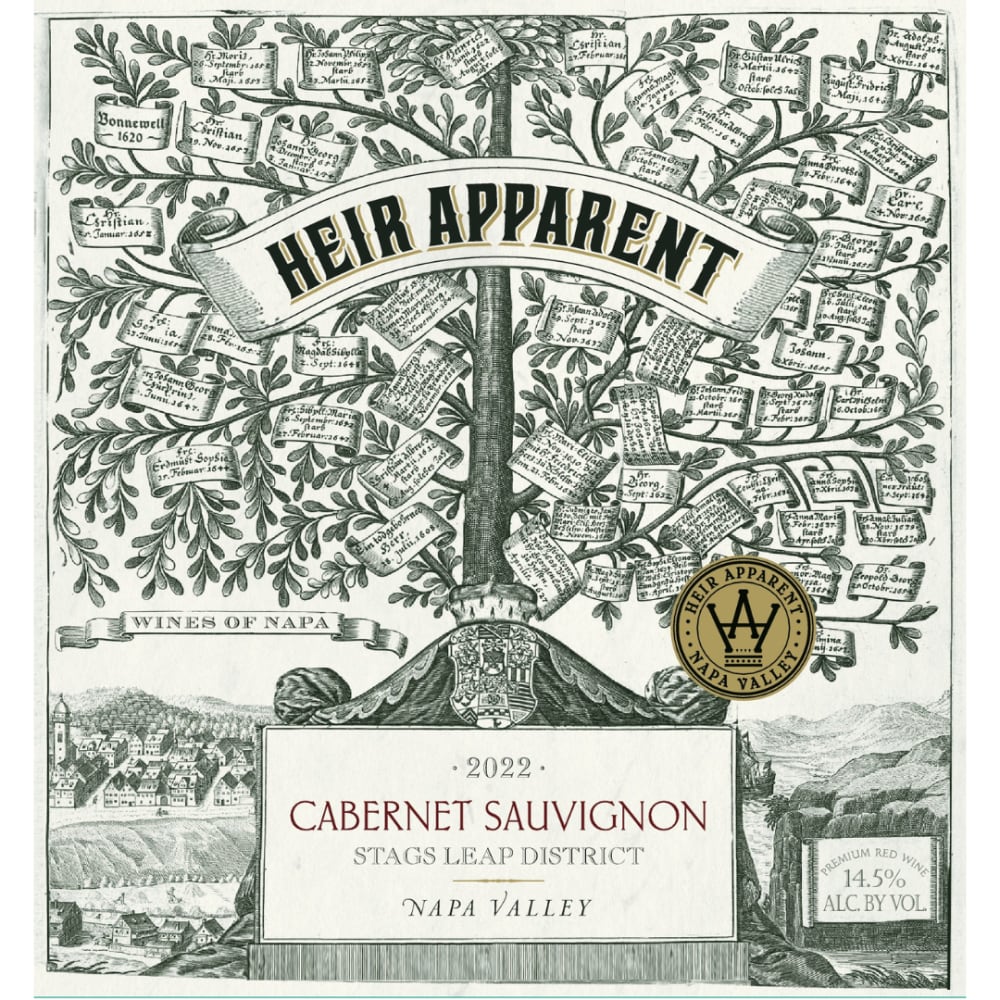
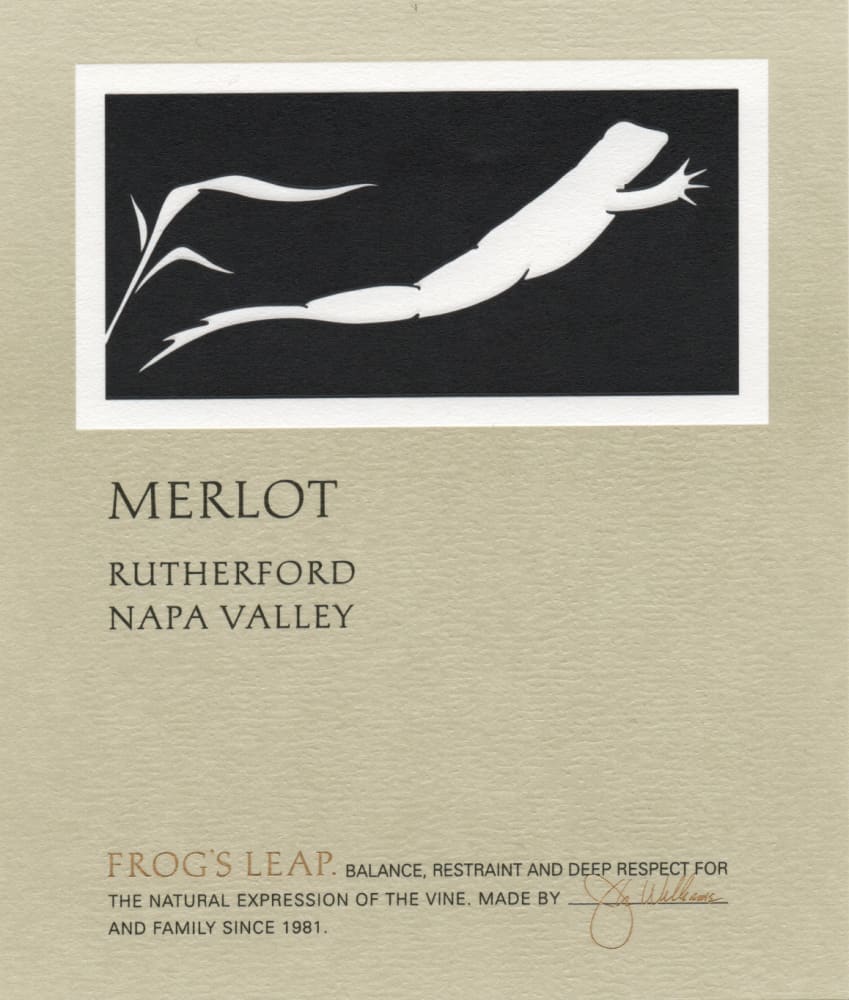
Choosing the right vintage is equally crucial. I suggest opting for a dry red such as Merlot or Cabernet Sauvignon. These selections complement the natural sugars released during the cooking process.
- Merlot: Offers a smooth finish and a fruity profile that pairs well with caramelized flavors.
- Cabernet Sauvignon: Provides a bolder taste, enhancing depth and complexity in the dish.
- Pinot Noir: A lighter option that adds elegance without overpowering other ingredients.
Testing different combinations can lead to delightful discoveries, allowing me to tailor flavors to my personal preferences. Always consider the balance of sweetness and acidity in both the alliums and the chosen vintage for a harmonious result.



