Chuck Furuya
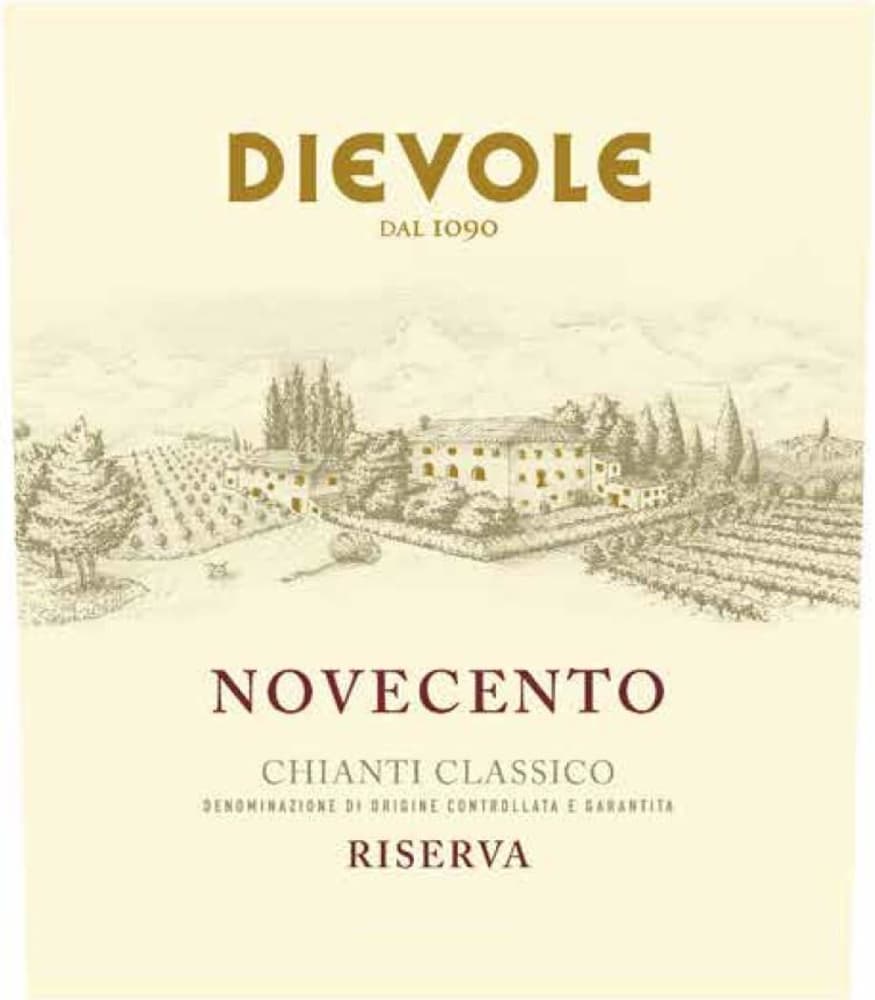


Choosing the right grapes is paramount; I prefer varieties such as Cabernet Sauvignon or Merlot for their robust character. Harvesting them at optimal ripeness ensures maximum flavor extraction. Timing is critical; I usually pick the clusters early in the morning when temperatures are cooler, preserving the freshness of the fruit.
Crushing the grapes requires care. I opt for a gentle method to avoid excessive bitterness from the seeds and stems. Utilizing a small-scale crusher allows me to control the process better. Following this, fermentation begins. I add specific yeasts that enhance the natural aromas and flavors of the grapes.
Temperature control during fermentation is vital. I maintain it around 75°F to promote a healthy fermentation environment. After about one to two weeks, I press the skins to separate the juice, ensuring that I extract the right balance of tannins and color.
After fermentation, the aging process comes next. I transfer the liquid into oak barrels, which contribute complexity and depth. I usually age it for at least six months, monitoring the interaction between the wine and the wood. Regular tasting during this period helps determine the right moment for bottling.
Once bottled, I allow the beverage to rest for a few months. Patience pays off, as this aging period rounds out the flavors, resulting in a harmonious blend. Tasting my creation before serving is always a rewarding experience, knowing the careful steps taken have led to a remarkable result.
Selecting the Right Grapes for Quality Wine
Prioritize varietals known for their flavor complexity and aging potential. Cabernet Sauvignon, Merlot, and Syrah are excellent choices. Each brings distinct characteristics that contribute to the final product’s profile.
Understand Terroir
Investigate the origin of your grapes. The soil composition, climate, and elevation significantly impact the flavor. Regions like Bordeaux or Napa Valley produce grapes with unique qualities due to their environmental factors. Conduct tastings of grapes from various regions to identify preferences.
Harvest Timing
Monitor sugar levels and acidity closely. The optimal harvest time is crucial for achieving the desired balance in taste. Aim for grapes that are ripe but not overripe to ensure a harmonious blend of flavors. Use a refractometer to measure sugar content and taste samples regularly to determine the perfect moment for harvest.
Fermentation Techniques for Optimal Flavor Development
Temperature control is paramount. I maintain fermentation at temperatures between 75°F and 85°F (24°C to 29°C) to encourage the development of complex flavors while preventing undesired bacterial growth.
Utilizing different yeast strains can significantly influence the aroma and taste of the final product. I often experiment with both native and cultured yeasts. Native yeasts contribute unique regional characteristics, while cultured varieties can enhance specific flavor profiles.
Incorporating maceration during fermentation allows for better extraction of color, tannins, and flavors from the grape skins. I typically perform a process known as cold soak, where I chill the must for a few days before yeast is added, resulting in enhanced fruitiness and reduced astringency.
Regularly punching down the cap is essential. This technique ensures optimal skin extraction and prevents the cap from drying out. I perform this at least twice a day during the active fermentation phase.
Consider the duration of fermentation as well. Shorter fermentations can produce lighter-bodied wines, while extended fermentations yield more robust and fuller-bodied varieties. I often ferment for 7 to 14 days, adjusting based on the desired style.
Monitoring the specific gravity throughout the fermentation process is critical for gauging sugar conversion. I use a hydrometer to track this, ensuring that fermentation reaches the desired dryness level.
After fermentation, I practice malolactic fermentation (MLF) to soften acidity and add complexity. I allow this secondary fermentation to occur naturally or introduce specific bacteria, depending on the profile I aim to achieve.
Lastly, oxygen management plays a pivotal role. I use careful racking techniques to minimize oxygen exposure, preserving the wine’s freshness while allowing for desired oxidative development during aging.
Aging Process: Choosing the Right Barrels and Conditions
Selecting the correct barrels is fundamental. I prefer French oak for its ability to impart subtle flavors and aromas. The tight grain provides a slower extraction of tannins, enhancing the structure of the beverage. I typically choose barrels that have been lightly toasted, as they contribute notes of vanilla and spice without overwhelming the fruit characteristics.
American oak can also be beneficial, offering stronger vanilla and coconut notes. However, I find that it can dominate the profile if not used judiciously. A blend of both types can create a complex flavor profile that balances richness and elegance.
Barrel age is another key factor. New barrels deliver intense flavors, while older barrels provide a more subdued effect. I often use a combination of new and used barrels to achieve depth and nuance in the final product.
| Barrel Type | Flavor Profile | Best Use |
|---|---|---|
| French Oak | Subtle spice, vanilla | Complexity and elegance |
| American Oak | Strong vanilla, coconut | Richness |
| Used Barrels | Milder oak influence | Subtle integration of flavors |
Environmental conditions during aging are critical. I maintain a stable temperature between 55°F and 65°F (13°C to 18°C). Humidity levels should ideally be around 70% to prevent excessive evaporation and cork drying. I find that fluctuations can lead to undesirable outcomes.
Light exposure should be minimal. I use dark storage areas to protect the casks from UV rays, which can degrade the quality and alter the taste. Regular monitoring is essential to ensure that the microclimate remains optimal throughout the aging period.
In conclusion, the selection of barrels and maintaining ideal aging conditions significantly enhance the character of the final product. Each decision influences the overall taste, making attention to detail paramount in my approach.
Bottling and Storing Your Beverage for Best Results
Ensure cleanliness throughout the bottling process. Sterilize bottles, corks, and any tools to prevent contamination. I use a solution of potassium metabisulfite for this purpose, rinsing everything thoroughly afterward.
Fill each bottle gradually, leaving about an inch of space at the top. This gap allows for cork expansion and minimizes oxidation. I prefer to use a siphon or a funnel to avoid spills and maintain cleanliness.
Choose high-quality corks; they should fit snugly to prevent air from entering. I recommend natural corks for long-term aging, while screw caps can be useful for immediate consumption. Ensure the cork is inserted correctly, ideally with a corker to achieve a tight seal.
Label each bottle with the type of grape, vintage, and bottling date. This helps track aging and flavor development over time. I find that keeping a detailed log of each batch contributes to understanding its evolution.
Store bottles in a dark, cool place with a stable temperature, ideally between 55°F and 65°F. I avoid areas with fluctuations in heat or light, such as kitchens or near windows. A dedicated wine cellar or a temperature-controlled wine fridge works excellently for maintaining consistent conditions.
Position bottles horizontally, allowing the wine to stay in contact with the cork. This prevents the cork from drying out and ensures an airtight seal. If using screw caps, upright storage is acceptable.
Monitor the environment for humidity levels between 50% and 70%. Too low humidity can dry out corks, while excessive humidity might encourage mold growth. I utilize a hygrometer to keep track of these conditions.
Regularly check on your stored bottles for any signs of leakage or spoilage. This proactive approach ensures that I can address potential issues before they compromise the quality of the product.
Patience is key. Allow the beverage to age appropriately, tasting periodically to gauge its development. Each vintage has its peak, and I find that some improve with age, while others are best enjoyed young.