Chuck Furuya

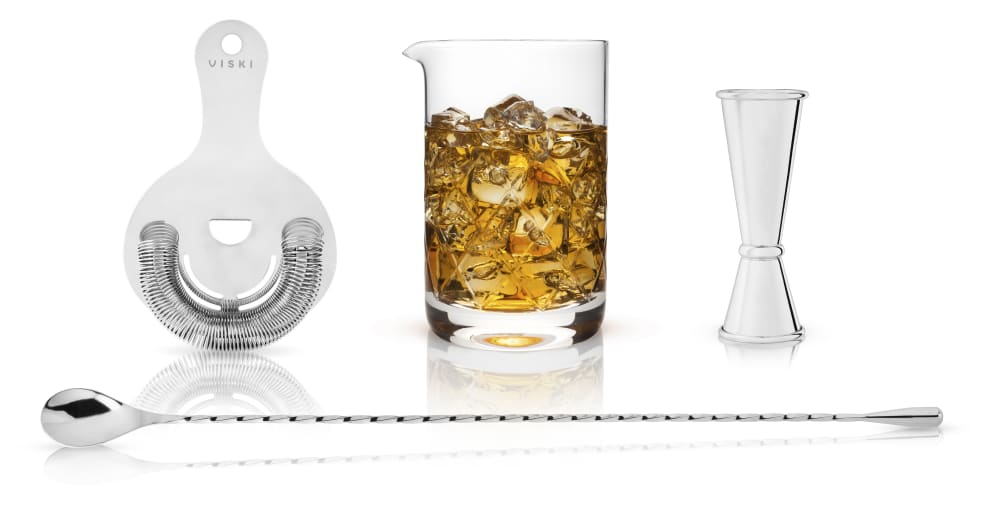
The best way to embrace your glass of deep-hued beverage is to grasp the stem gently with your thumb and forefinger, allowing the other fingers to cradle the base. This technique not only maintains the ideal temperature of the drink but also enhances the visual experience, showcasing its rich color and clarity.
Avoid gripping the bowl, as the warmth from your hand can alter the delicate balance of flavors. Instead, focus on a light touch; this will keep the drink cool and allow the aromas to flourish, inviting you to savor each sip. Remember, the experience is as much about the senses as it is about taste.
Positioning your glass at a slight angle enhances the aroma. Lift it close to your nose before tasting to fully appreciate the bouquet. This simple adjustment transforms the act of drinking into a more immersive experience, inviting you to explore the intricate notes within each pour.
Proper Grip Techniques for a Glass of Merlot
To fully appreciate the nuances of a Merlot, I prefer to grasp the stem of the glass. This minimizes heat transfer from my hand to the beverage, allowing the flavors to remain intact.
Optimal Finger Placement
Here are some techniques I utilize for finger positioning:

- Index finger should rest gently on the stem, providing balance.
- Middle finger can support the base, ensuring stability.
- Ring finger and pinky can curl comfortably below the glass.
Posture and Movement
Maintaining a relaxed posture enhances the experience:
- Keep my elbow close to my body to avoid accidental spills.
- When swirling, I gently rotate the glass using the wrist, rather than the entire arm.
- To sip, I tilt the glass slightly towards my mouth while keeping the rim level.
These techniques enrich the tasting experience, allowing me to savor every sip.
Choosing the Right Glass for Wine
Opt for a bowl-shaped vessel with a wide opening for optimal aeration. This design allows the aromas to concentrate, enhancing the tasting experience. Ensure the glass is made of clear crystal to appreciate the color and clarity of the beverage.
Size Matters
Select a glass that holds at least 12-14 ounces. This volume provides sufficient space for swirling, which releases volatile compounds and elevates the fragrance. Avoid smaller glasses, as they limit exposure to air and can mute flavors.
Stemmed vs. Stemless
Choose a stemmed option to prevent heat transfer from your hand, maintaining the ideal temperature. However, if a casual setting is preferred, a stemless variant can offer a modern touch while still being functional. Ensure the rim is thin for a pleasant sipping experience.
Understanding the Importance of the Stem
Grasping the stem allows for maintaining optimal temperature. Direct contact with the bowl warms the beverage, altering its intended profile. By using the stem, I ensure that the drink remains chilled, enhancing the tasting experience.
A firm grip on the stem prevents fingerprints from smudging the glass, preserving clarity. This not only contributes to visual appeal but also reflects a level of sophistication. A clear view of the liquid aids in appreciating its color and clarity.
Utilizing the stem promotes a more balanced posture. This positioning helps avoid awkward angles that could disrupt the flow while sipping. It allows for a more controlled and graceful movement, elevating the entire experience.
Moreover, holding the stem encourages a mindful approach to savoring the flavors. It invites a more deliberate pace, allowing me to fully engage with the aromas and subtleties of the drink. This practice transforms a simple tasting into a sensory exploration.
In social settings, holding by the stem conveys an understanding of etiquette. It sets the tone for a refined gathering, signaling appreciation for the drink and the occasion. This small detail can influence how others perceive my engagement and enjoyment.
Proper Hand Placement on the Glass
I recommend gripping the stem of the glass with your fingers gently wrapped around it. This positioning minimizes heat transfer from your hand to the bowl, maintaining the ideal temperature of the beverage.
Here are some tips to consider for optimal hand placement:
- Fingers: Use your thumb and index finger to cradle the stem while the other fingers rest lightly against the base. This provides stability without undue pressure.
- Grip: Avoid a tight grip; a relaxed hold allows for a graceful presentation and reduces the risk of spills.
- Wrist Position: Keep your wrist straight and relaxed to enhance control and prevent awkward angles that might spill the contents.
- Body Alignment: Position your hand at a comfortable height, aligning the glass with your mouth for easy sipping.
Maintaining this hand placement not only promotes elegance but also enhances the sensory experience. The aroma and flavor profile of the drink are better appreciated with a cooler bowl temperature, so this technique truly elevates the enjoyment.
Avoiding Temperature Changes While Holding
I focus on minimizing temperature fluctuations by gripping the base of the bowl rather than the stem. This technique prevents my hand heat from transferring to the beverage, keeping it at its ideal serving temperature. I ensure my grip is light and relaxed to avoid unnecessary warmth from my palm.
Using a Napkin or Cloth
I often employ a napkin or cloth to create a barrier between my hand and the glass. This simple addition not only provides comfort but also acts as insulation, further reducing the risk of raising the drink’s temperature. Opting for a fabric that absorbs moisture can also prevent any slips.
Mindful Positioning
<p I pay attention to my seating arrangement. Avoiding direct sunlight or heat sources helps maintain the perfect environment for savoring each sip. Additionally, I keep my glass elevated from warm surfaces, as contact with hot materials can quickly alter the temperature of the contents.
Techniques for Tasting While Grasping the Glass
Begin by swirling the liquid gently. This aerates it and enhances aroma release, allowing for a more profound sensory experience. Maintain a firm grip on the base to avoid unwanted motion.
Assessing Aromas
Bring the glass to your nose after swirling. Inhale deeply to identify various scents. Focus on distinguishing fruit, floral, or earthy notes. This step is crucial for evaluating quality and character.
Palate Evaluation
Take a small sip, letting the liquid coat your mouth. Engage different taste buds by moving the liquid around. Notice the initial flavors, the mid-palate complexity, and the finish. Pay attention to body, acidity, and tannin structure.
| Technique | Description |
|---|---|
| Swirling | Aerates the beverage and releases aromas. |
| Nosing | Inhale deeply after swirling for scent identification. |
| Sipping | Coat the palate to evaluate flavor profile. |
| Timing | Allow time between sips for full flavor realization. |
Practice these methods to refine your tasting skills. Each glass brings a unique experience; immersion in the process enhances enjoyment and appreciation.