
 Chuck Furuya
I recommend allowing your bottled varietals to breathe for a minimum of 30 minutes to 1 hour after uncorking. This period enhances the flavors and aromas, allowing the wine to open up and reach its full potential.
For younger blends, particularly those aged less than five years, a shorter duration of about 20 to 30 minutes may suffice. On the contrary, more mature selections, especially those over ten years, can benefit from 1 to 2 hours of aeration, revealing the complexities hidden within.
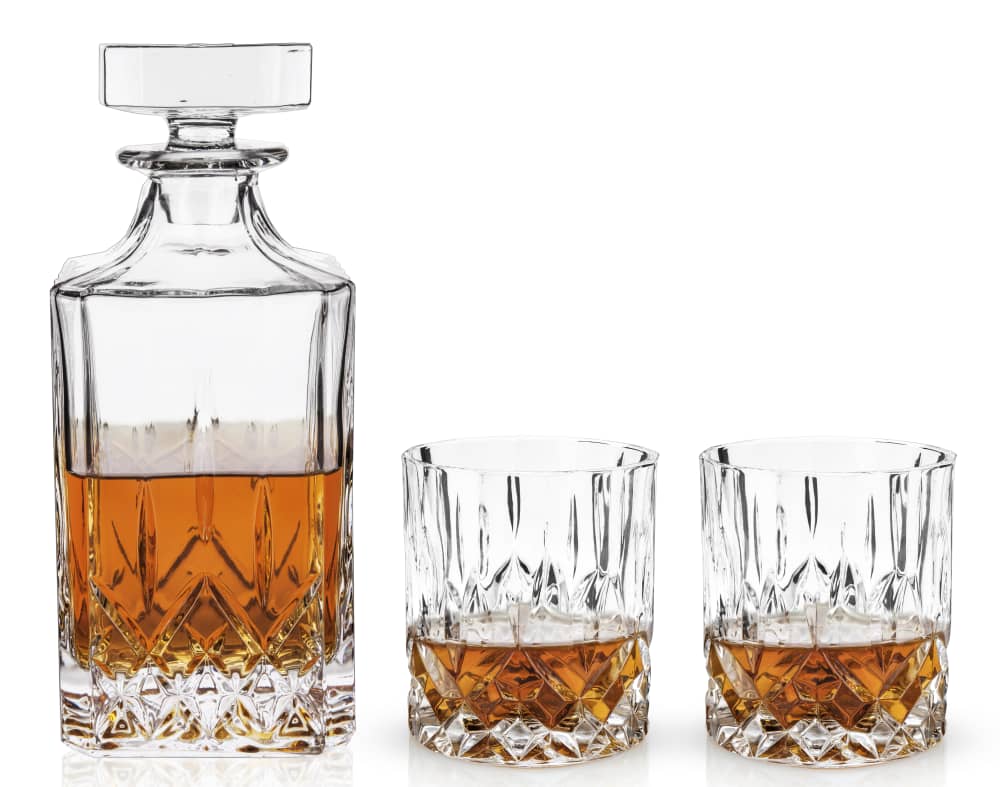
Utilizing a decanter can expedite this process, with a broader surface area promoting faster oxidation. If you’re in a hurry, simply pouring the liquid into a glass can also enhance its exposure to air, making it more enjoyable in a shorter timeframe.
Optimal Duration for Aeration of Opened Burgundy
I recommend allowing the bottle to breathe for a period ranging from 30 minutes to 2 hours. This timeframe enhances flavor complexity and mellows tannins.
Here are key points to consider:
- For younger varieties, a shorter duration of 30 to 60 minutes suffices to release fruity notes.
- Aged vintages benefit from extended exposure, up to 2 hours, to allow deeper aromas to emerge.
- Personal preference plays a significant role; taste periodically to find your ideal balance.
Temperature also influences the experience. Serving at a slightly warmer temperature can enhance aromatic expression, so consider this aspect while letting it aerate.
In cases where the bottle remains uncorked, consume within 3 to 5 days for optimal enjoyment. Store in a cool, dark place with the cork reinserted to minimize oxidation.
Understanding the Impact of Oxygen on Red Wine
Letting your bottle breathe for about 30 minutes to an hour significantly enhances its aroma and flavor profile. This is because exposure to air allows volatile compounds to evaporate, resulting in a smoother tasting experience.
During this time, tannins soften, making the beverage more palatable. The oxidation process can also bring out hidden notes that you might not detect in a freshly opened bottle.
However, it’s crucial to recognize that excessive oxygen can lead to undesirable changes. Over-exposure may result in a flat or overly oxidized taste, diminishing the quality of the beverage.
Here’s a quick overview of the effects of oxygen on your drink:
| Exposure Duration | Effect |
|---|---|
| 0-30 minutes | Minimal impact; flavors remain tightly bound. |
| 30-60 minutes | Improved balance; aromas become more expressive. |
| 1-2 hours | Optimal enhancement; complexity increases. |
| 2+ hours | Risk of oxidation; flavors may turn flat. |
In summary, managing oxygen exposure is key to maximizing the enjoyment of your beverage. A balance must be struck to ensure the best experience.
Optimal Timeframes for Different Varieties of Red Wine
For full-bodied options like Cabernet Sauvignon and Syrah, I recommend letting them breathe for approximately 1 to 2 hours. This exposure to air enhances their complex aromas and flavors, allowing the wine to open up beautifully.
Medium-bodied choices such as Merlot and Chianti typically require about 30 to 60 minutes of aeration. This timeframe allows the tannins to soften and the fruit notes to shine through.
Lighter varieties, including Pinot Noir and Gamay, benefit from just 15 to 30 minutes of contact with air. These wines are more delicate, and too much oxygen can diminish their subtle characteristics.
Factors Influencing Aeration
Age plays a significant role in determining how much time a specific type requires. Older vintages often need less aeration, given their more fragile structure. On the other hand, younger wines tend to thrive with more exposure to oxygen.
Additionally, the serving temperature can affect the perception of flavors. Cooler temperatures might mask some elements, making it worthwhile to consider warming slightly to room temperature during the aeration process.
Practical Tips for Enjoying Your Selection
Using a decanter can expedite the aeration process, maximizing oxygen exposure. Alternatively, simply pouring the wine into a glass and swirling it can also achieve beneficial results.
Ultimately, finding the right balance for each variety will enhance your tasting experience, allowing the wine to express its full potential.
Signs That Your Red Wine Has Aerated Enough
Look for a noticeable change in aroma. After sufficient exposure to air, the bouquet should become more pronounced and complex, with different notes emerging. If the scent is muted or overly alcoholic, it may need more time.
Taste is another key indicator. When the flavors are harmonized and the tannins soften, you can be confident that the exposure has been adequate. If the wine feels overly astringent or sharp, it likely requires additional aeration.
Observe the color as well. A rich, vibrant hue can signify that the wine is ready. If it appears dull or lacks depth, it might still benefit from more air contact.
Look for effervescence in the glass. A slight fizz or sparkle on the surface can indicate that oxygen has done its work, enhancing the wine’s freshness and liveliness.
Pay attention to the finish. A smooth, lingering aftertaste suggests that the wine has integrated well with oxygen. If the finish is short or harsh, it may need further exposure.
Finally, consider the temperature. If the liquid feels slightly warmer than when initially poured, it indicates that the wine has had time to open up, making it more enjoyable to savor.



