Chuck Furuya
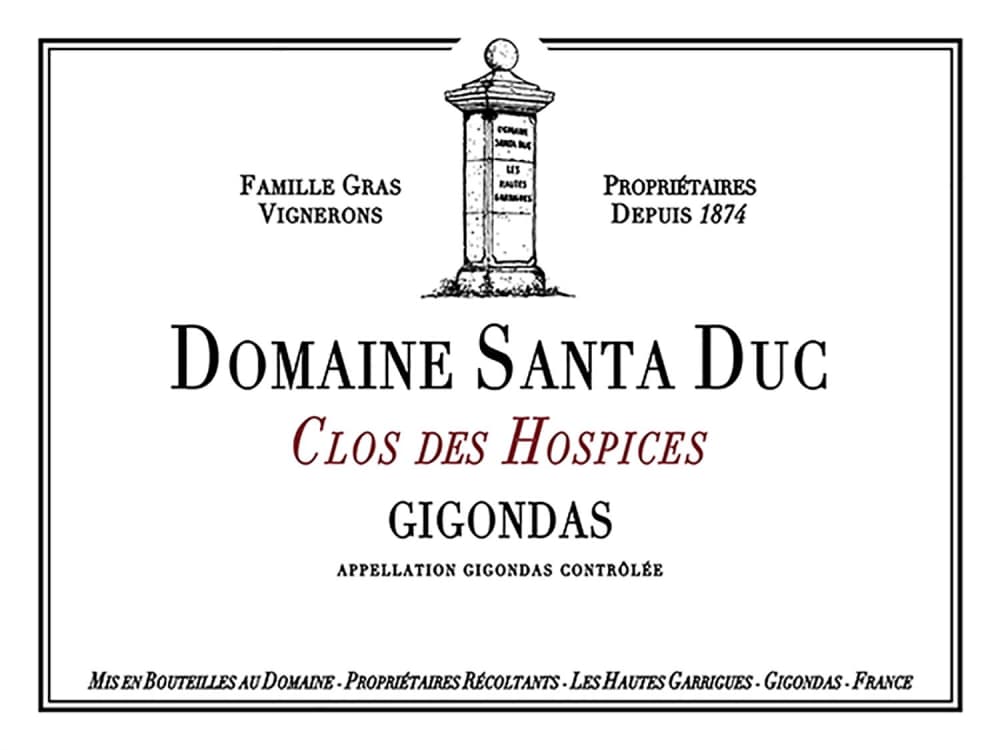

To truly appreciate the nuances between these two styles of vinification, I recommend examining the grape varieties used. For example, Cabernet Sauvignon and Merlot are typically associated with darker, bolder options, while Chardonnay and Sauvignon Blanc often yield lighter, crisper selections.
Another critical aspect lies in fermentation techniques. For darker beverages, skins remain in contact with juice for an extended duration, allowing for deeper color and tannin extraction. Conversely, lighter beverages usually undergo fermentation without skin contact, resulting in a clearer and more refreshing product.
Temperature control during fermentation also plays a significant role. Higher temperatures are often employed for richer varieties, enhancing complexity, while cooler temperatures are preferred for lighter varieties, preserving delicate aromatic profiles.
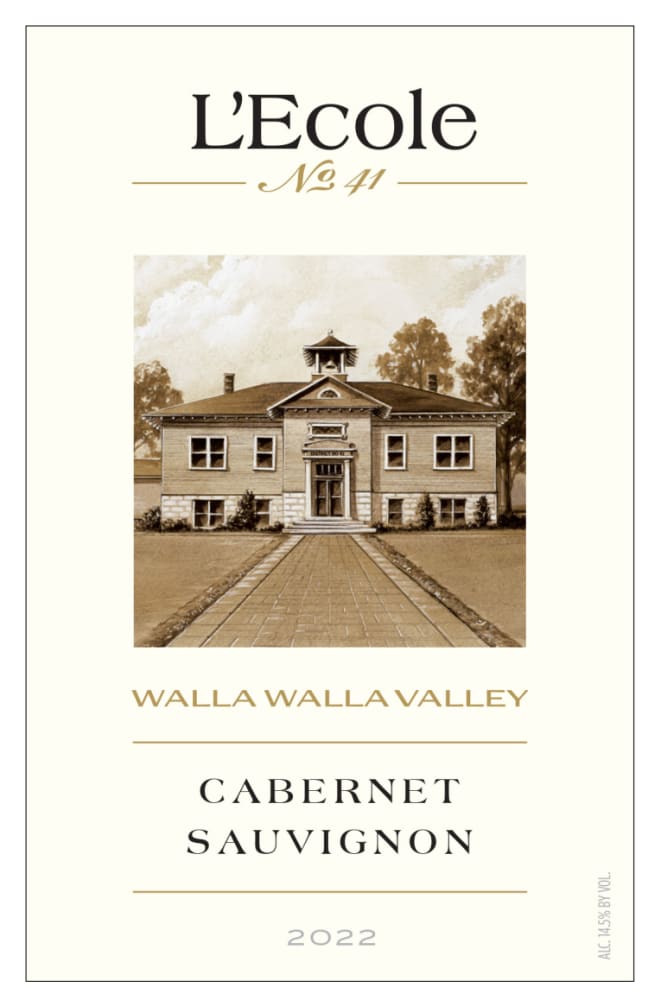
Finally, aging practices differ significantly. Oak barrels are frequently used for richer options to impart flavor and texture, while stainless steel is more commonly utilized for lighter selections to maintain freshness and acidity. Understanding these factors will enhance your appreciation of each style’s unique characteristics.
Choosing the Right Grapes for Red vs. White Wines
I prioritize specific varietals when selecting grapes for crafting distinct styles of beverages. For dark-hued options, I often reach for Cabernet Sauvignon, Merlot, or Syrah, which deliver robust flavors and tannins. These grapes thrive in warm climates, allowing their sugars to develop fully, resulting in rich, bold profiles.
In contrast, I opt for Chardonnay, Sauvignon Blanc, or Riesling for lighter selections. These varietals excel in cooler regions, preserving acidity and showcasing bright, crisp notes. Their characteristics allow for a refreshing experience, often with floral or citrus undertones.
Soil composition plays a pivotal role in my grape choice. For deeper reds, I seek well-drained soils that promote healthy root systems and enhance flavor concentration. For lighter styles, I consider clay or limestone, which help retain moisture and provide balance to the fruit’s natural acidity.
Harvest timing is crucial as well. For darker varieties, I prefer to pick the grapes when they reach optimal ripeness, ensuring maximum sugar content and flavor complexity. Conversely, I harvest lighter grapes earlier to maintain their vibrant acidity and prevent over-ripening.
Ultimately, my selections hinge on the desired outcome. Whether pursuing a rich, full-bodied experience or a crisp, refreshing sip, the choice of grapes shapes the entire process and final tasting notes.
The Role of Skin Contact in Wine Production
Skin contact significantly influences flavor profiles and color extraction in beverages. For darker varietals, extended contact allows for deeper hues and tannic structure. I recommend a maceration period ranging from a few days to several weeks, depending on desired complexity.
Methods of Skin Contact
Several techniques can enhance skin interaction:
- Cold Soaking: Chilling crushed grapes before fermentation helps extract color and aroma without harsh tannins.
- Punch-Downs: Regularly submerging solid grape materials during fermentation promotes even extraction.
- Delestage: This involves draining and returning juice from the fermenting tank, ensuring thorough mixing and extraction.
Effects on Flavor and Aroma
Skin contact enriches flavor, contributing notes like berry, spice, or herbal qualities. I find that longer maceration often results in more complex aromatic profiles. Additionally, phenolic compounds extracted from skins add mouthfeel and astringency, enhancing overall body.
Monitoring skin contact duration is critical. My approach varies based on grape variety and climatic conditions, optimizing extraction while avoiding overly aggressive tannin levels. Balancing these elements allows for the creation of distinguished and memorable beverages.
Fermentation Techniques: Differences Between Red and White
For optimal fermentation, I adjust the temperature based on the type of grape. In my experience, red varieties benefit from warmer fermentation temperatures, typically ranging from 75°F to 85°F (24°C to 29°C). This promotes extraction of color, tannins, and flavors from the skins. Meanwhile, I keep white grape fermentation cooler, usually between 55°F and 65°F (13°C to 18°C), preserving delicate aromas and acidity.
Another key aspect is the use of yeast. I often choose different strains tailored to the style of wine. For reds, I select yeast that enhances complexity and mouthfeel. For whites, I prefer strains that emphasize fruitiness and floral notes. This selection significantly influences the final profile of the beverage.
Skin contact duration also plays a pivotal role. In my practices, I allow prolonged skin maceration for reds, often several days up to weeks, extracting deeper colors and textures. Conversely, with whites, I minimize skin contact to maintain crispness and freshness, often pressing the grapes immediately after crushing.
Lastly, I consider the fermentation vessel. For red varieties, I frequently use open-top fermenters to facilitate cap management and oxygen exposure. In contrast, closed tanks are my go-to for white grapes, ensuring a reductive environment that enhances aromatic preservation.